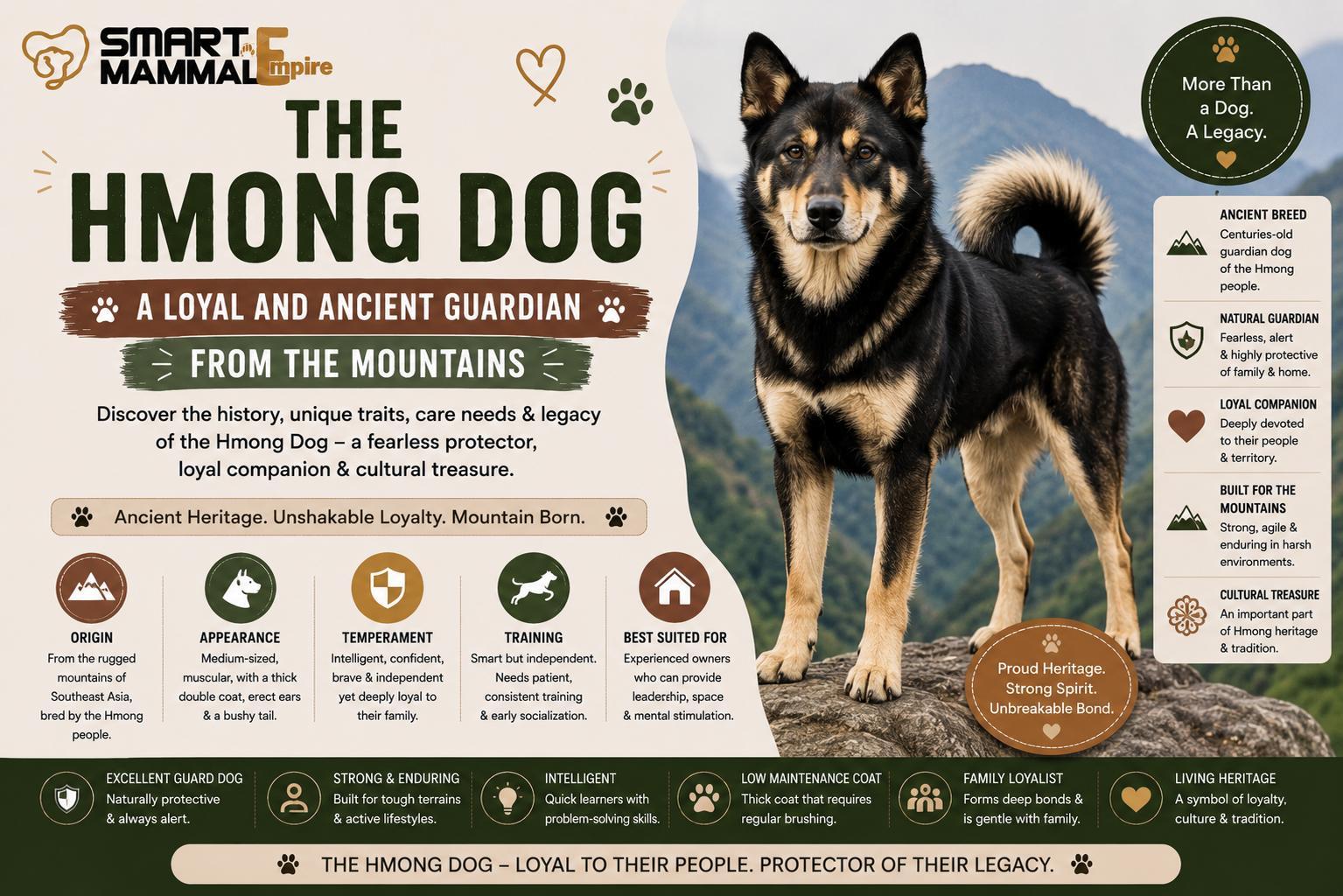
The Hmong dog, also known as the Hmong Docked Tail dog, is a special and ancient breed from the mountains of Vietnam, Laos, and Southern China. These dogs are strong, loyal, smart, and brave. They have lived with the Hmong people for hundreds of years, helping them with hunting, guarding, and herding.
In this article, we will explore the Hmong dog’s origin, looks, personality, training, care needs, and importance in Hmong culture, all in easy-to-understand English.
Who Are the Hmong People?
The Hmong people are an ethnic group originally from the mountains of Southern China. Over time, many Hmong families moved to Vietnam, Laos, and Thailand, especially to live in the highlands. They are known for their farming, weaving, and close connection with nature and animals.
Hmong people are very close to their dogs. They treat them like family, and dogs play important roles in their lives. The Hmong dog is not just a pet, it is a worker, protector, and friend.
What is the Hmong Dog?
The Hmong is a native dog breed that lives mostly in the northern mountain regions of Vietnam. It is also called the Vietnamese Hmong dog or Hmong Docked Tail dog, because its tail is naturally short or docked (cut short).
This dog is part of the Indochina Dingo group, meaning it comes from wild and ancient dog bloodlines that adapted to the harsh life in the mountains. Over time, these dogs became strong, smart, and loyal companions.
History and Origin
The Hmong dog has been around for centuries, living in remote villages where they worked as:
- Guard dogs to protect homes and animals from danger
- Hunting dogs to help chase wild animals in the forests
- Herding dogs to help manage cattle or pigs
- Family protectors loyal to their humans and always alert
Because they lived in the harsh mountain environment, only the strongest and smartest dogs survived and were bred. That is why the Hmong dog is very healthy and tough today.
The breed is not yet officially recognized by big international dog organizations like the AKC, but in Vietnam, the Hmong is considered a national treasure.
What Does the Hmong Dog Look Like?
Hmong dogs are medium-sized, muscular, and strong. They are built for mountain life.
General features:
- Size: Medium (45–65 pounds or 20–30 kg)
- Height: 18 to 22 inches (45–55 cm)
- Coat: Short, dense, and thick — perfect for cold weather
- Colors: Usually black, dark brown, gray, or brindle
- Ears: Pointed and upright (alert-looking)
- Eyes: Dark and intelligent
- Tail: Very short or naturally missing — this is a unique feature
Some are born without tails or with a very short natural tail, which gives them a special look.
Personality and Temperament
The Hmong dog is very loyal, brave, and intelligent. These dogs were raised to protect and help humans, so they form strong bonds with their owners.
Common traits:
- Loyal: They stick with their family and are always ready to protect them.
- Protective: They don’t trust strangers easily. This makes them good watchdogs.
- Independent: They can think and solve problems on their own.
- Smart: They learn quickly and remember commands well.
- Calm but alert: They don’t bark too much but will defend if needed.
They are very friendly to people they trust. But with strangers, they can be wary and cautious. This makes them excellent guard dogs.
Training a Hmong Dog
Training a Hmong dog is not hard, if you are patient and respectful. These dogs are smart and strong-willed, which means they understand quickly but don’t like being forced.
Training tips:
- Start early (as a puppy if possible)
- Use positive reinforcement (treats, praise, play)
- Keep lessons short and fun
- Be firm but gentle
- Socialize them with people and other animals
Because they are naturally protective, early socialization is important. They need to learn which people and animals are safe.
Exercise and Activity Needs
The Hmong dog is active and energetic. It comes from the mountains, where it was always running, walking, or working. So, it needs daily exercise to stay healthy and happy.
Activity ideas:
- Long walks or hikes
- Playtime in a yard or field
- Games like fetch or tug-of-war
- Puzzle toys to challenge their mind
Without enough activity, they may become bored or stressed — which can lead to behavior problems.
Grooming and Care
Hmong dogs are low-maintenance when it comes to grooming. Their short, thick coat does not need much brushing.
Grooming tips:
- Brush once or twice a week
- Bathe only when dirty (they clean themselves well)
- Check their ears and nails regularly
- Give them healthy food and clean water every day
Because the breed is naturally healthy, it doesn’t suffer from many genetic diseases. It’s important to keep up with vaccinations and vet checkups, like any dog.
Diet and Nutrition
Hmong’s are not picky eaters. In the mountains, they ate meat, rice, and vegetables — simple but nutritious meals.
For pet dogs, you can feed:
- High-quality kibble (dry dog food)
- Cooked rice with meat and vegetables
- Occasional treats like eggs or fish
Avoid feeding chocolate, onions, grapes, or bones that can break and hurt their mouth or stomach.
Can a Hmong Dog Live in a City?
Yes, a Hmong can live in a city or apartment if you give it enough exercise and attention. However, they do best in homes with:
- A yard or garden to move around
- A family that spends time with them
- Clear rules and training
They may not like loud noises or too many strangers at first. But with training and patience, they can adjust well.
Cultural Meaning of the Hmong Dog
In Hmong culture, the dog is more than just a pet. It is a spirit guardian, a symbol of loyalty, and sometimes even part of spiritual traditions.
In some Hmong homes, the dog is believed to:
- Protect the house from bad spirits
- Be a bridge between the human world and spirit world
- Represent bravery, truth, and honor
When a Hmong dog passes away, some families even hold a small ceremony to honor the animal’s life and loyalty.
Recognition and Popularity
The Hmong dog is becoming more popular outside of Vietnam, especially among dog lovers who are looking for rare, ancient breeds.
However, it is still not recognized by major international dog organizations, like the AKC or FCI. In Vietnam, there are now breeding clubs and rescue groups that work to protect and share its story with the world.
Is the Hmong Dog Right for You?
A Hmong dog can be a great pet, but only for the right owner.
Great for:
- People who want a loyal guard dog
- Families with space and time
- Owners who enjoy training and bonding
- Anyone who respects culture and ancient breeds
Not good for:
- First-time dog owners with no experience
- Homes with no time for exercise or training
- People who want a very friendly, social dog
Frequently Asked Questions
What is a Hmong Dog?
The Hmong Dog, also known as the Hmong Bobtail Dog, is a rare breed originating from the mountainous regions of Vietnam. It was traditionally used by the Hmong people for guarding homes, hunting, and protecting livestock.
Are Hmong Dogs good family pets?
Yes, Hmong Dogs can make loyal and protective family companions. They are known for their intelligence, courage, and strong bond with their owners. Early socialization is important to help them interact well with strangers and other animals.
How big does a Hmong Dog get?
Adult Hmong Dogs typically stand between 18 and 24 inches tall and weigh around 35 to 60 pounds. They have a muscular build, strong legs, and excellent agility suited to rugged terrain.
Are Hmong Dogs easy to train?
Hmong Dogs are intelligent and quick learners, but they can also be independent. Consistent training, positive reinforcement, and early socialization help them become obedient and well-mannered companions.
What is the lifespan of a Hmong Dog?
The average lifespan of a Hmong Dog is between 12 and 15 years. A nutritious diet, regular exercise, routine veterinary care, and a healthy environment can contribute to a longer and healthier life.
Final Thoughts
The Hmong dog is a beautiful and loyal breed that has stood by humans for centuries. From guarding mountain homes to becoming family protectors, this dog is full of heart, strength, and wisdom.
With proper care, training, and love, the Hmong dog will be a lifelong friend and fearless protector, just like it has always been in Hmong culture.
If you are looking for a rare, smart, and noble dog, this might be the perfect match for you.
Author’s Recommendation:
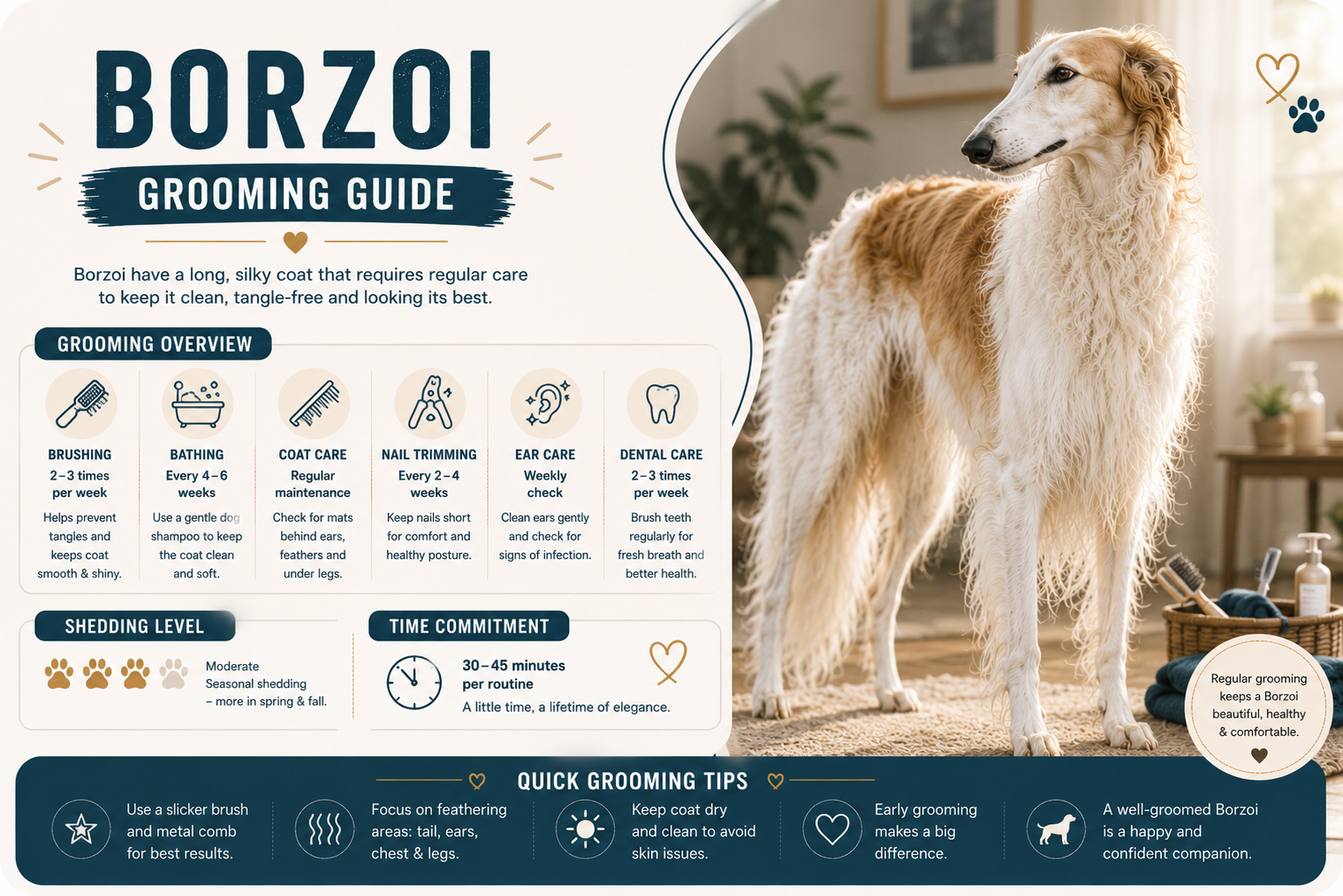
Borzoi Grooming Guide (2026): Coat Care, Brushing, Bathing & Shedding Tips
Farmina Dog Food – A Complete Guide

Related Posts