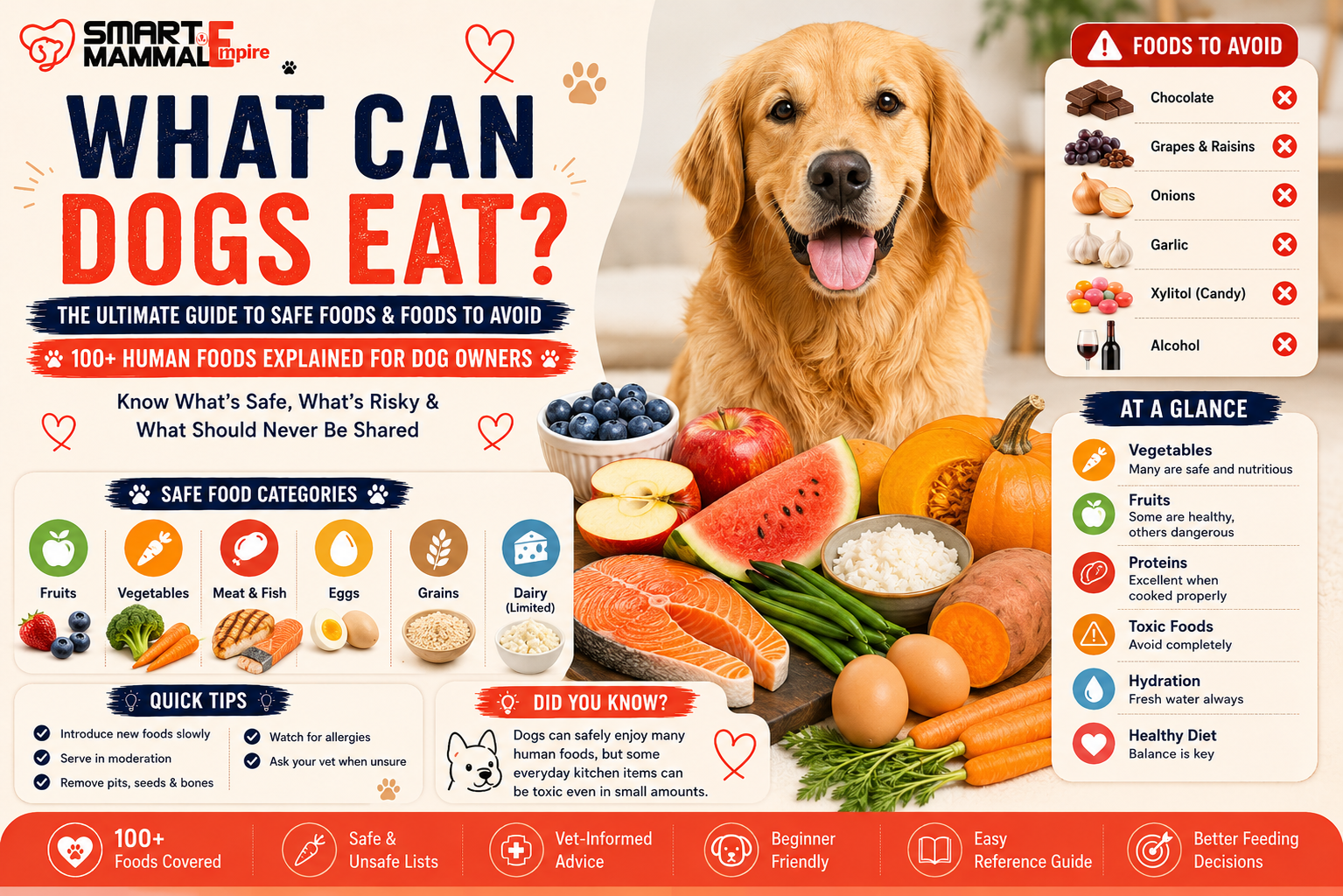
Just like humans, dogs require a balanced diet that contains all the essential nutrients like proteins, fats, minerals, carbohydrates, vitamins, and water. A complete diet helps to keep the dogs healthy and fit. Dog lovers usually try different human foods on their dogs. But it is important to note that puppies are allergic to some foods, that’s why we can’t try or give all the foods to them. Moreover, like humans, dogs are omnivores and have digestive systems similar to humans. They can eat meat, vegetables, and grains.
In this article, we’ll discuss some of the safe and harmful foods for dogs.
Can Dogs Eat Cucumbers?
Yes, dogs can eat cucumbers. Cucumbers have low calories and are rich in water content, which is why they are considered a healthy dog food. The high water content in cucumbers keeps the dogs hydrated. Moreover, it also contains vitamins, magnesium, and potassium. Cucumbers contain vitamin K, which is a blood clotting factor and helps at the time of injury. Vitamin C helps to boost the immune system.
Furthermore, vitamin B1 is a good source of energy. It makes the nervous system strong and prevents the dogs from fatigue. Potassium and magnesium also play an important role in a dog’s body. They make the bones strong and keep muscles relaxed. It is very important to give the cucumbers the right way. Wash them and cut them into small pieces so that it will not choke. Don’t give pickled cucumbers or avoid any seasoning. Start with a small amount and don’t overfeed puppies.
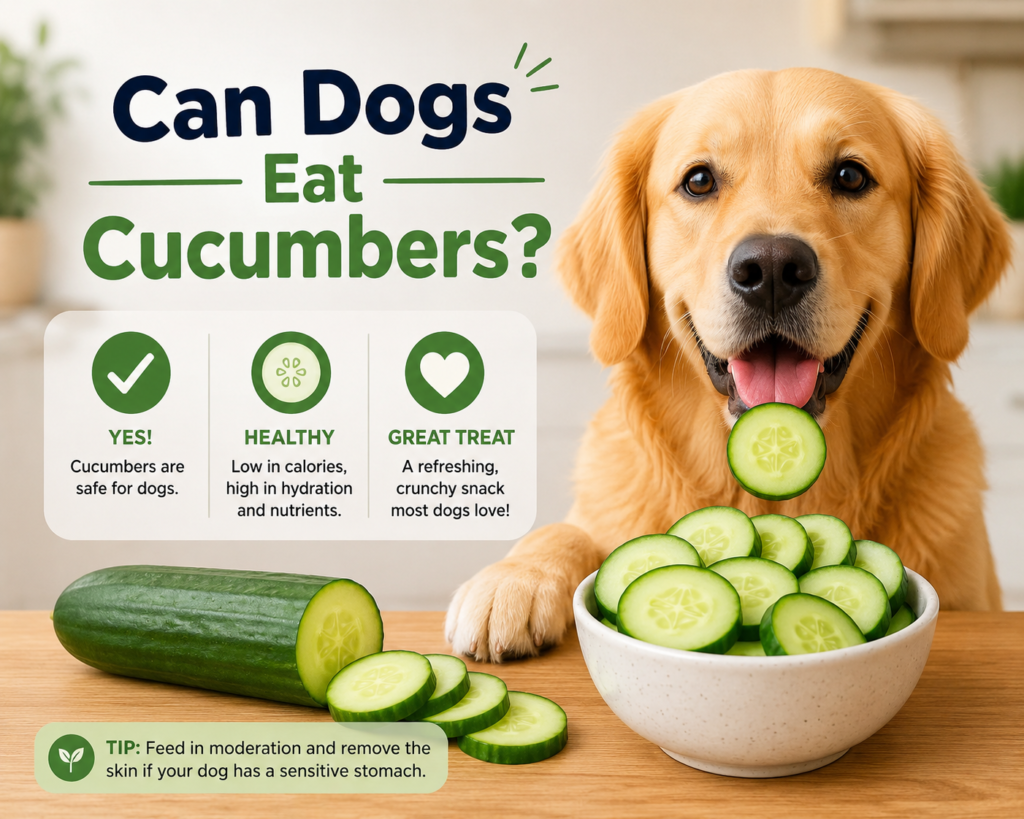
Can Dogs Eat Pistachios?
Dogs can eat nuts but pistachios are not recommended for dogs for many reasons. As fat content is very high in pistachios, it can lead to weight gain in many dogs. Also, obesity can cause many health risks in dogs. Other than fat content pistachios are preserved with seasoning and chemicals, it may cause allergies or can harm the dog’s health.
Moreover, pistachios are not ideal for dogs because their shells may choke and can lead to death. Also, sometimes they produce aflatoxins that can damage the dog’s liver. Some of the recommended and healthy nuts are unsalted or plain peanuts and cashew nuts.
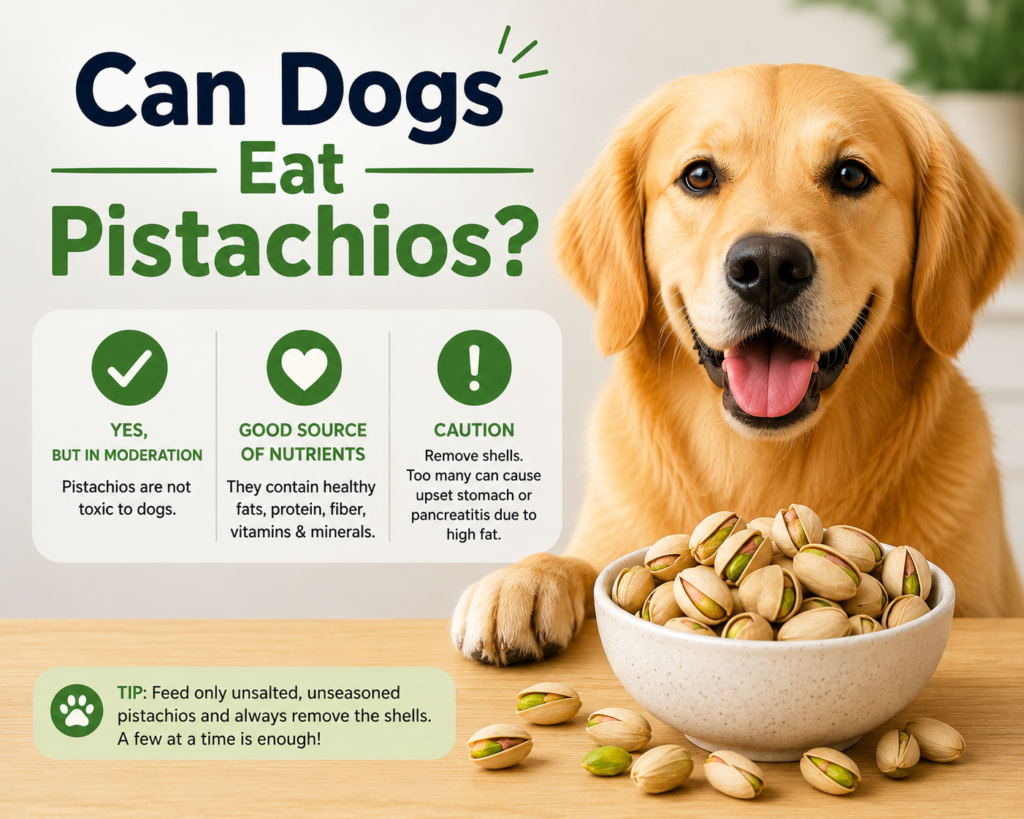
Can Dogs Eat Chia Seeds?
Yes, dogs can eat chia seeds in moderation. Chia seeds are rich in omega-3 fatty acids, fiber, protein, and antioxidants. Because they absorb water and expand, it is best to soak them before serving. Small amounts can be a nutritious addition to your dog’s diet.
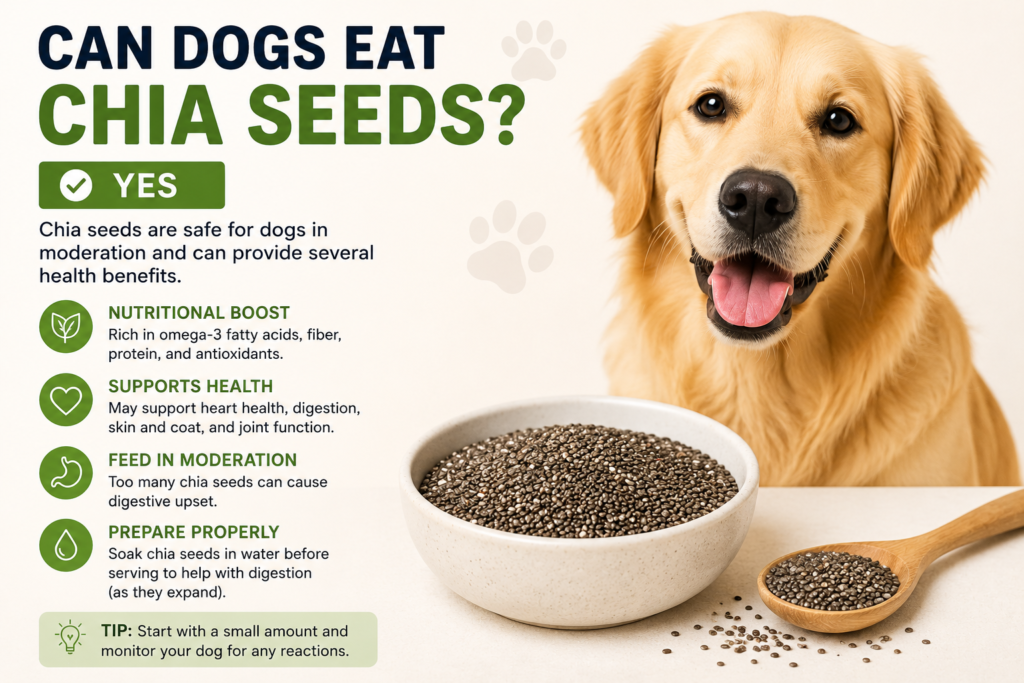
Can Dogs Eat Rib Bones?
No, cooked rib bones are not safe for dogs. They can splinter easily and cause choking, mouth injuries, digestive tract damage, or intestinal blockages. Raw bones may be safer in some cases, but you should always consult your veterinarian before offering bones to your dog.
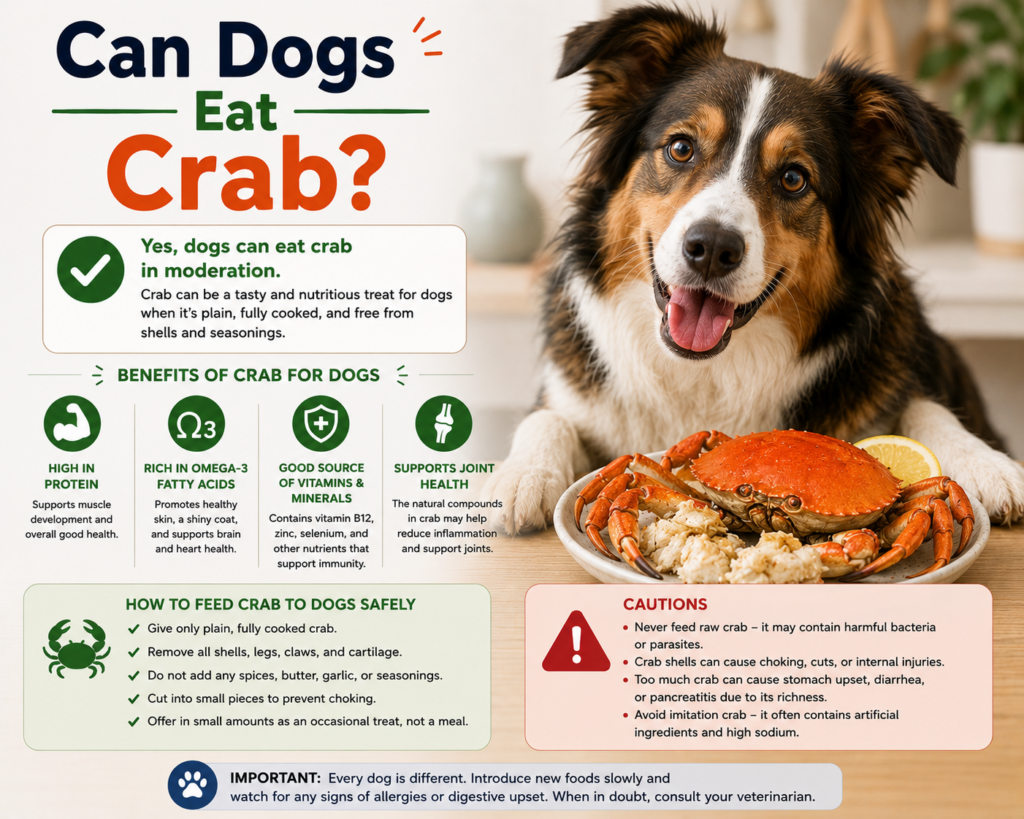
Can Dogs Eat Sausage?
Sausage is not recommended for dogs. It is usually high in fat, sodium, and seasonings that can upset your dog’s digestive system. Some sausages also contain garlic or onion powder, which are toxic to dogs. Lean, unseasoned meats are a much healthier option.
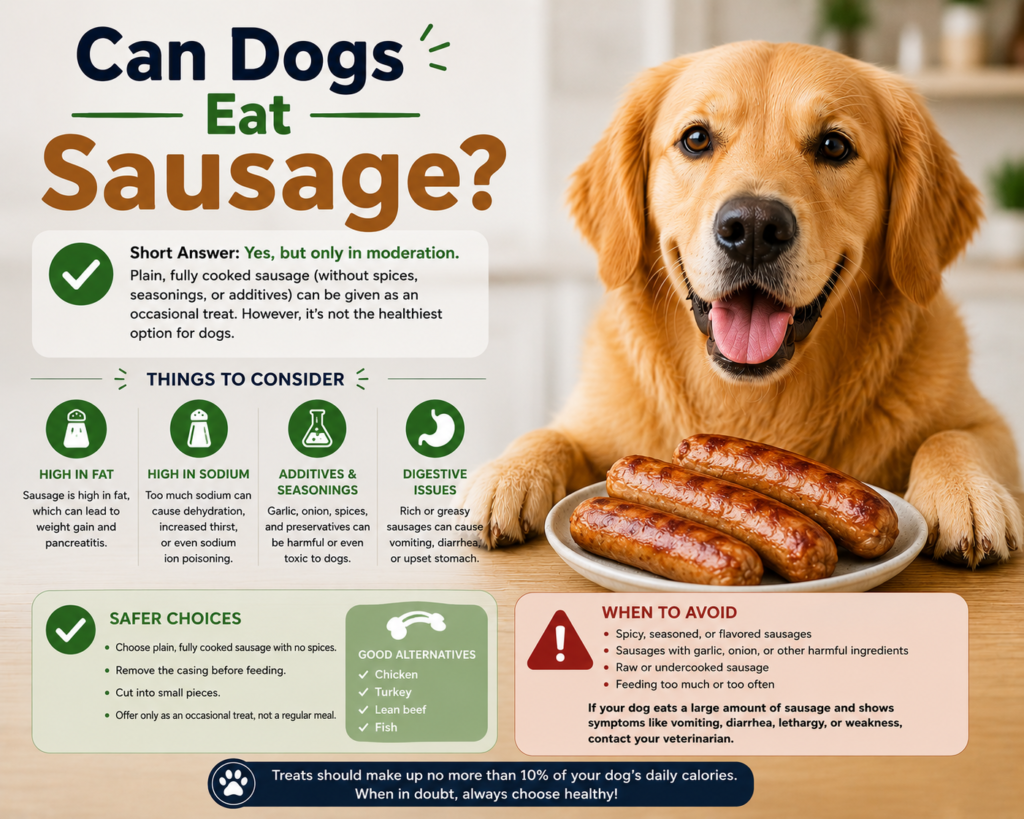
Can Dogs Eat Plantains?
Yes, dogs can eat cooked plantains in moderation. Plantains provide fiber, vitamins, and minerals that may support health. They should be served plain without added sugar, salt, or frying oils. Small portions can make a healthy occasional snack for most dogs.
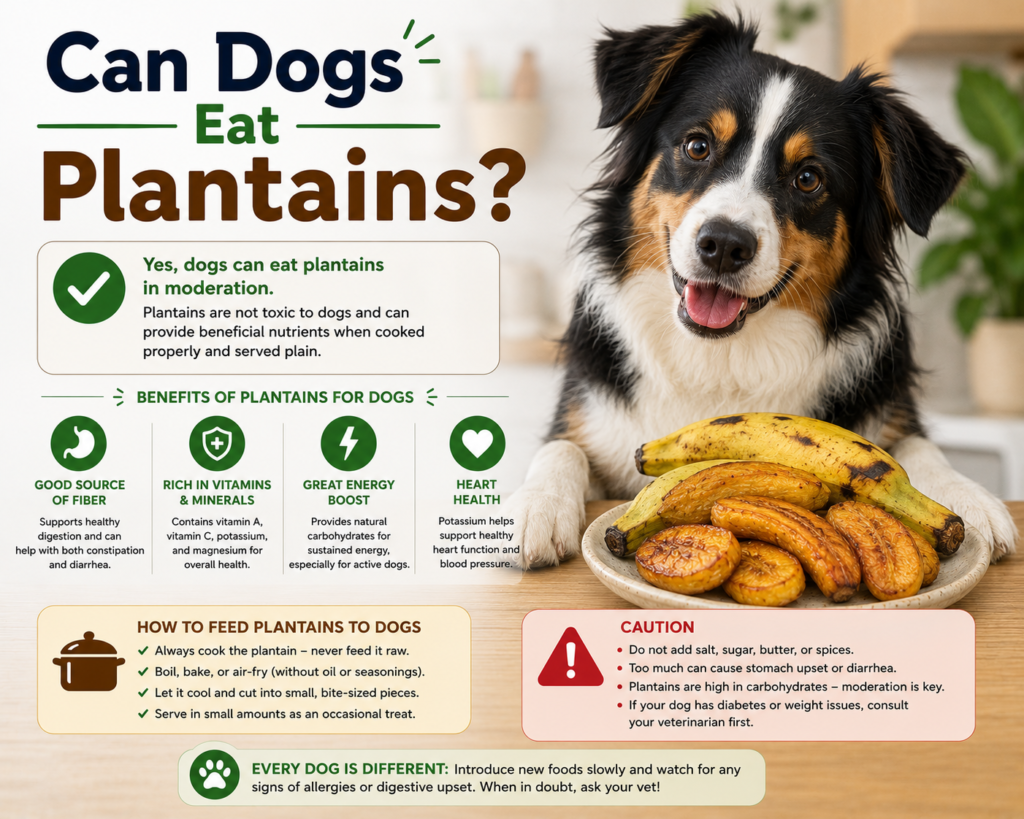
Can Dogs Eat Butter?
Butter is not toxic to dogs, but it is not recommended. It is high in fat and offers very little nutritional value. Eating too much butter can cause stomach upset and may increase the risk of obesity or pancreatitis, especially in sensitive dogs.
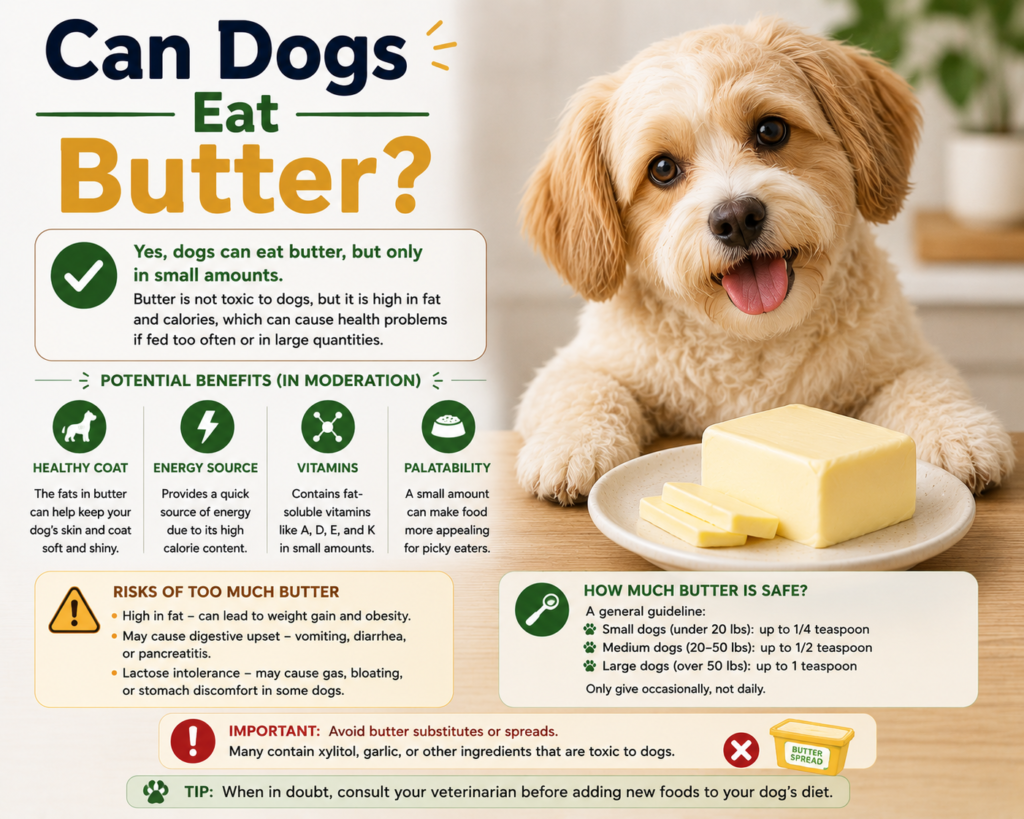
Can Dogs Eat Crab?
Yes, dogs can eat cooked crab meat in moderation. Crab contains protein, vitamins, and minerals that can support health. Remove all shells before serving and avoid seasonings, butter, or sauces. Some dogs may be allergic to shellfish, so introduce crab carefully.
Can Dogs Eat Guava?
Yes, dogs can eat guava in small amounts. Guava contains fiber, vitamins, and antioxidants that may benefit your dog’s health. Remove the seeds before feeding and serve small pieces of ripe fruit. Too much guava may cause digestive upset because of its fiber content.
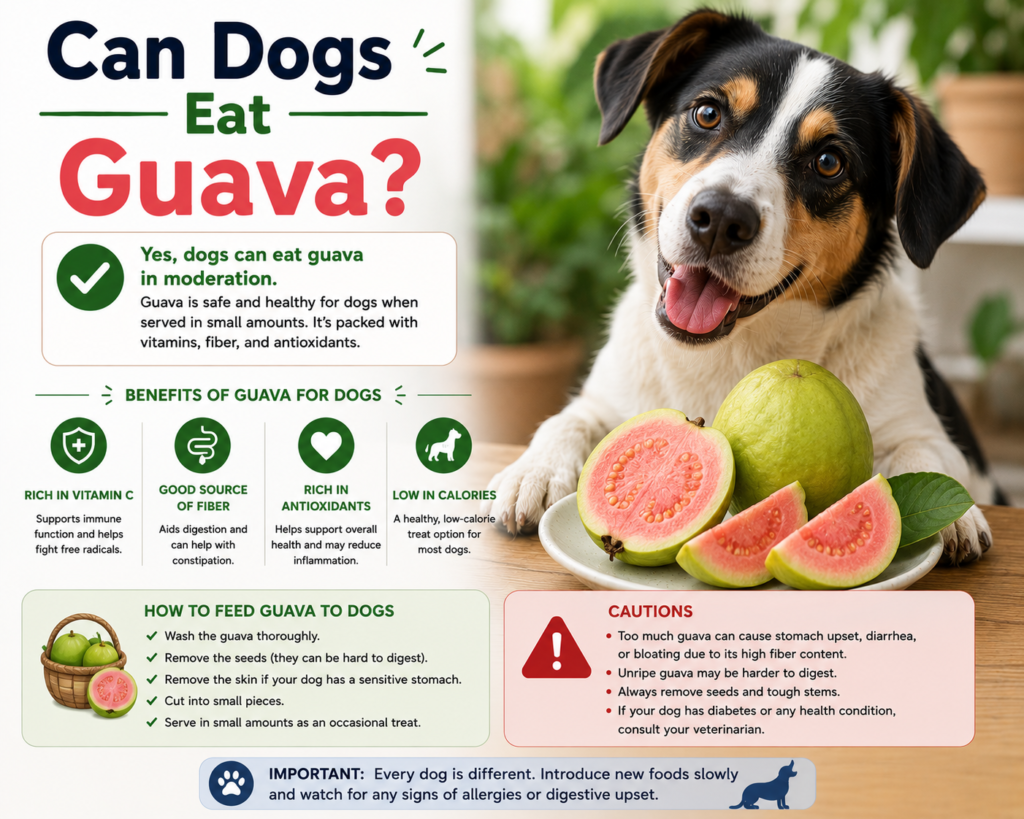
Can Dogs Eat Sourdough Bread?
Yes, dogs can eat plain baked sourdough bread in moderation. It is not toxic, but it offers little nutritional value. Avoid raw sourdough dough because yeast can continue to expand in a dog’s stomach and create a dangerous medical emergency.
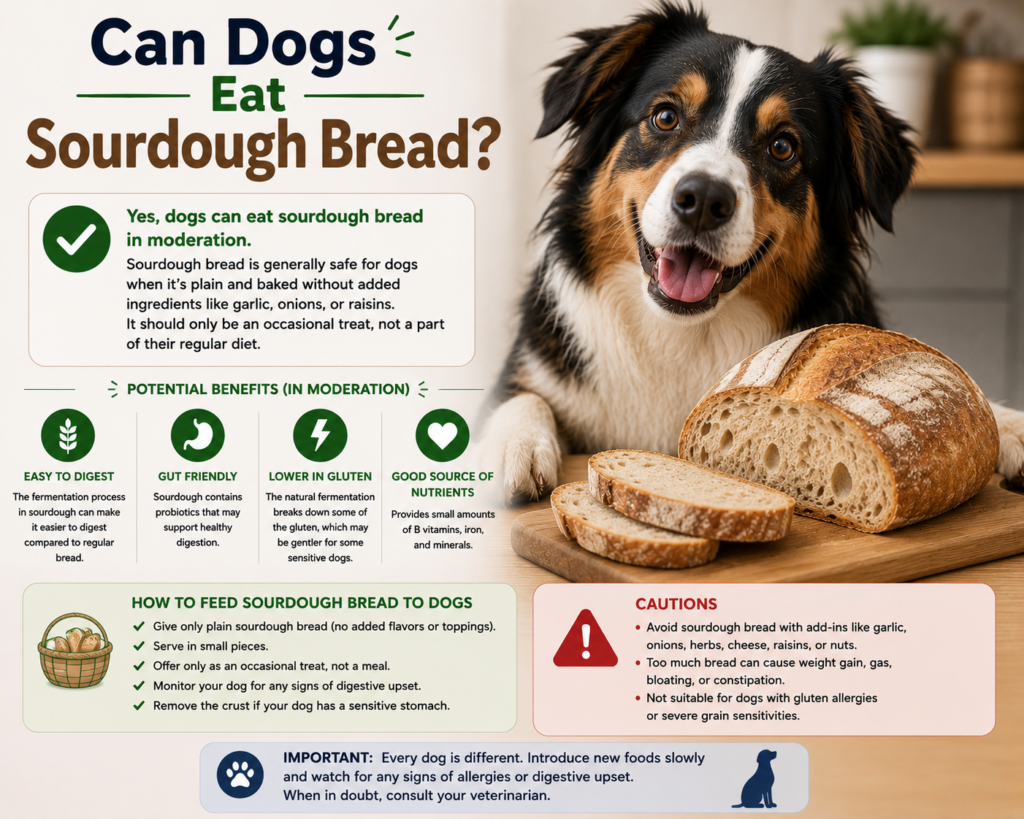
Can Dogs Eat Cream Cheese?
Yes, dogs can eat small amounts of plain cream cheese occasionally. However, cream cheese is high in fat and many dogs are sensitive to dairy products. Avoid flavored varieties that contain garlic, onions, herbs, or artificial ingredients that may be harmful.
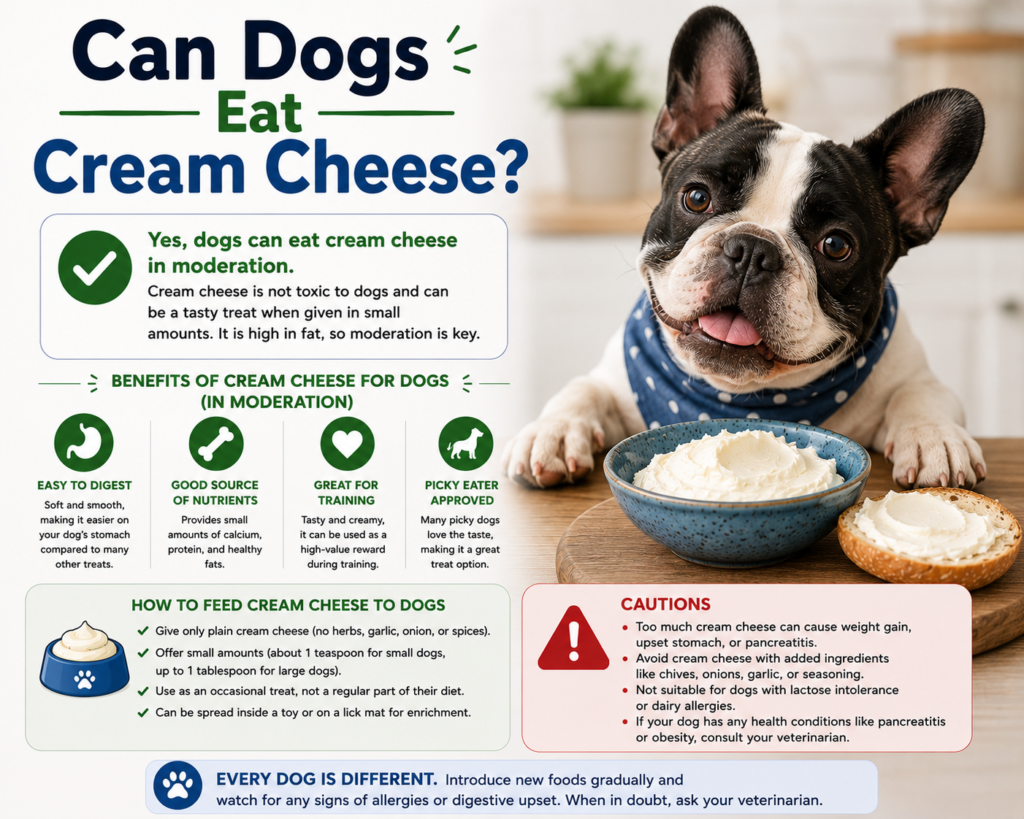
Can Dogs Eat Mac and Cheese?
Mac and cheese is not recommended for dogs. It contains high levels of fat, sodium, dairy, and processed ingredients that can upset your dog’s stomach. While a small bite is unlikely to cause serious harm, it should not become a regular treat.
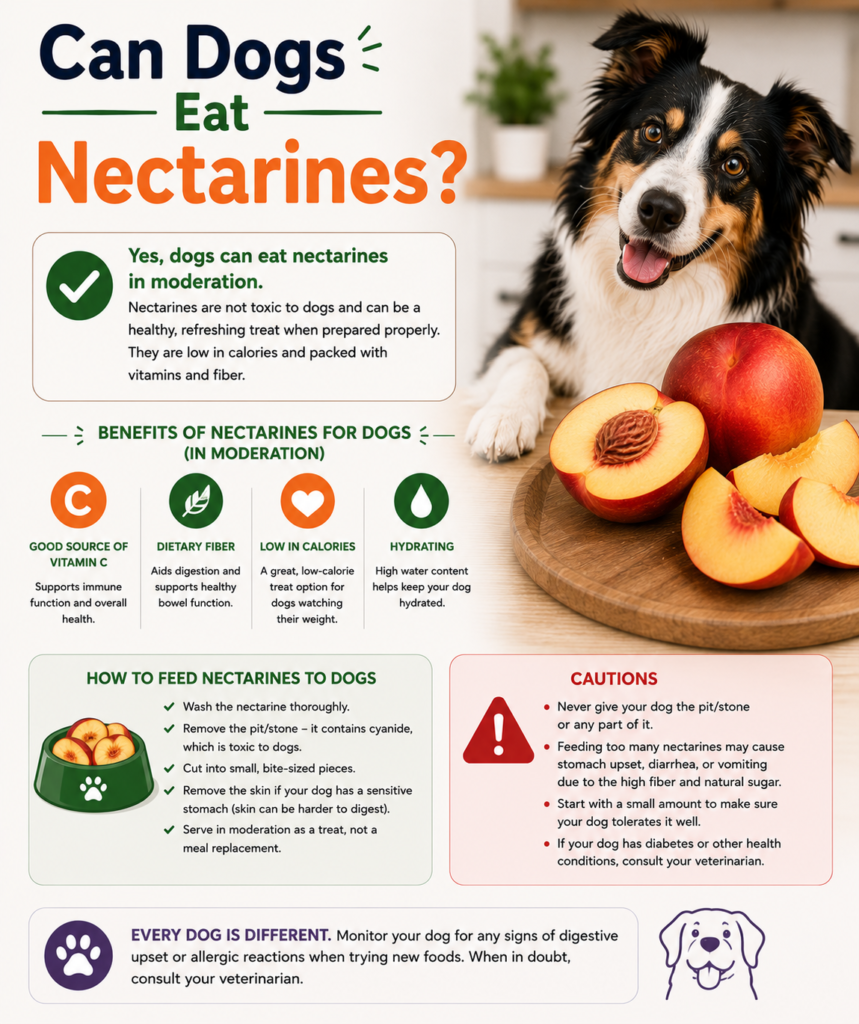
Can Dogs Eat Grapefruit?
No, grapefruit is generally not recommended for dogs. The fruit’s flesh is highly acidic and may cause digestive upset, while the peel contains compounds that can be toxic. Safer fruit choices include blueberries, bananas, strawberries, and apples without seeds.
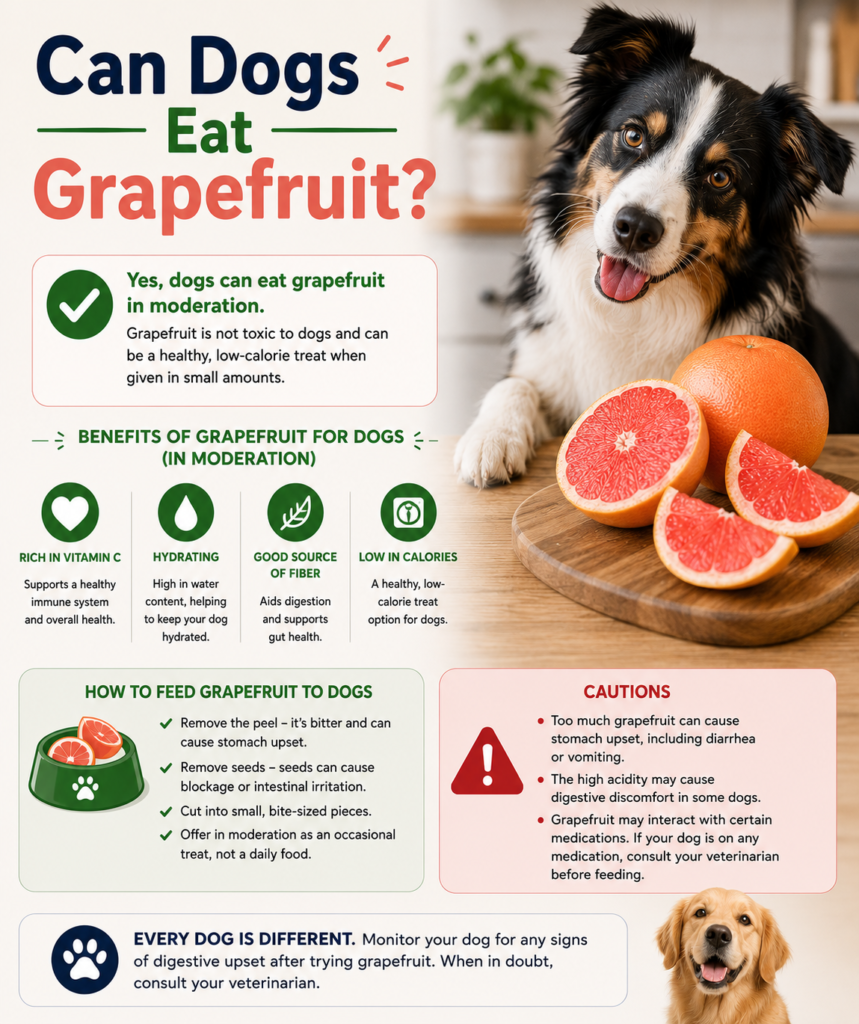
Can Dogs Eat Tilapia?
Yes, dogs can eat cooked tilapia. It is a lean source of protein and contains important nutrients that support overall health. Always serve tilapia fully cooked and free from bones, oils, seasonings, garlic, onions, or sauces that may be harmful to dogs.
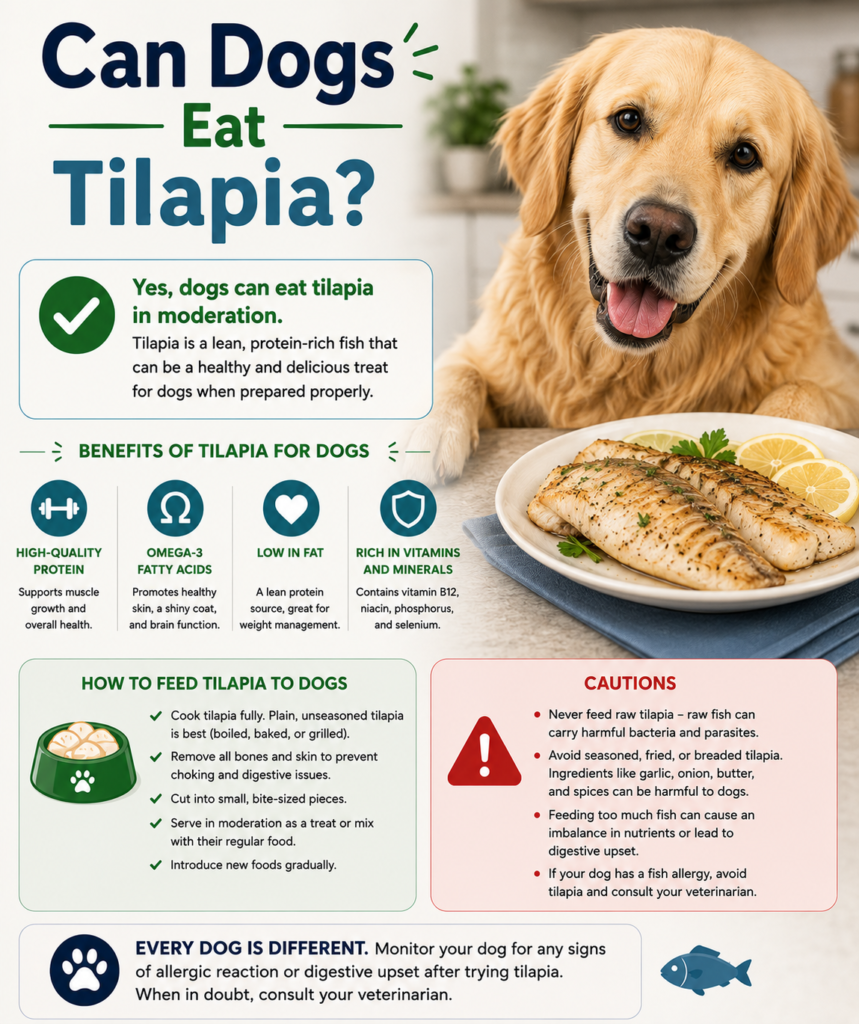
Can Dogs Eat Eggplant?
Yes, dogs can eat eggplant in moderation. Eggplant contains fiber, vitamins, and antioxidants that may benefit your dog’s health. It should be cooked and served plain without seasonings. Some dogs may be sensitive to eggplant, so introduce it slowly and monitor for reactions.
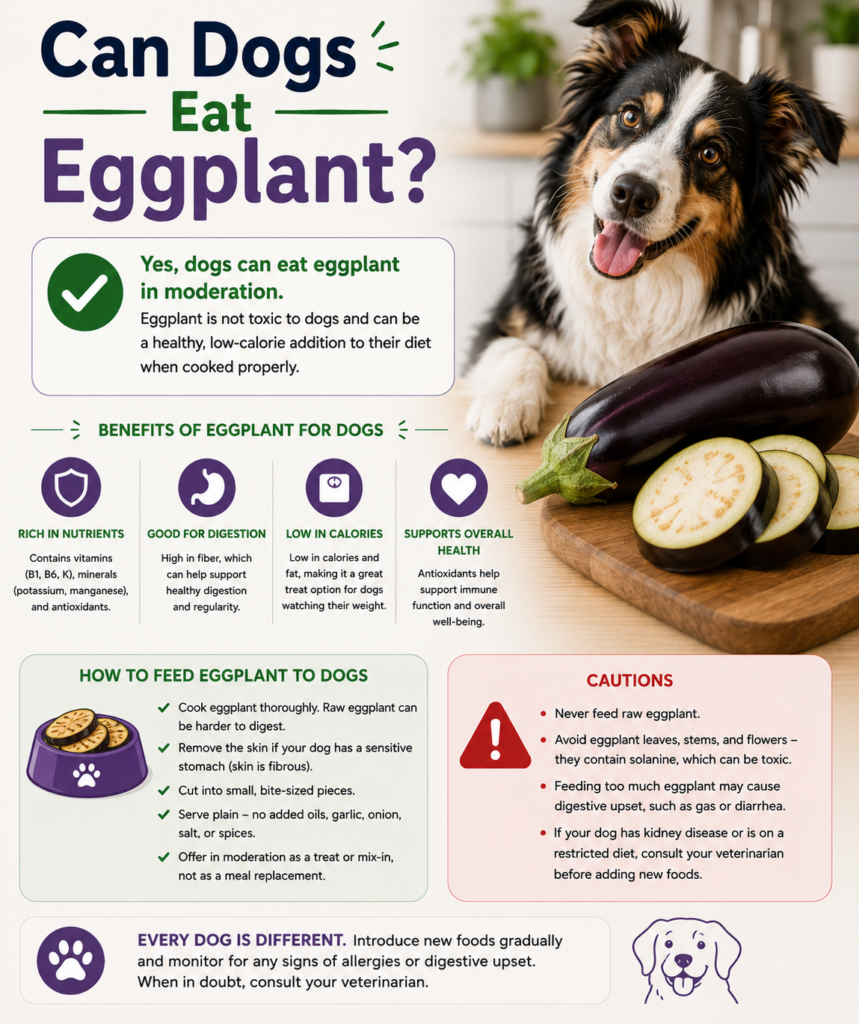
Can Dogs Eat Nectarines?
Yes, dogs can eat nectarines in moderation. Nectarines contain vitamins, fiber, and antioxidants that can support health. Remove the pit before feeding because it poses a choking hazard and may contain harmful compounds. Serve small pieces as an occasional fruit treat.
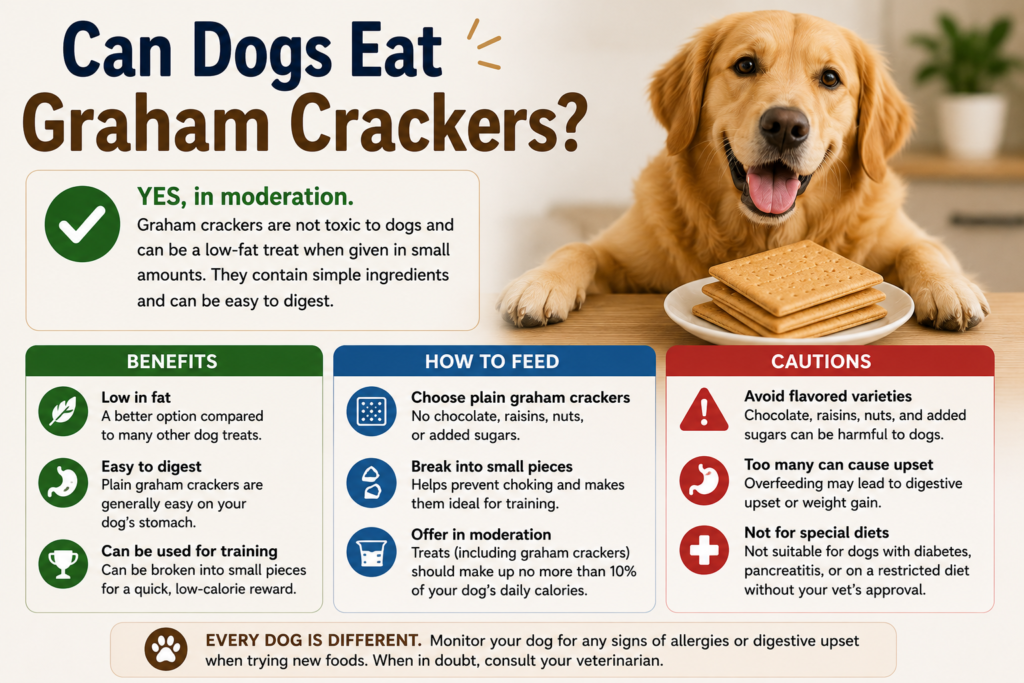
Can Dogs Eat Graham Crackers?
Dogs can eat plain graham crackers occasionally, but they are not a healthy snack. Graham crackers contain sugar and refined carbohydrates with little nutritional value. Treats designed specifically for dogs or fresh fruits and vegetables are much better choices.
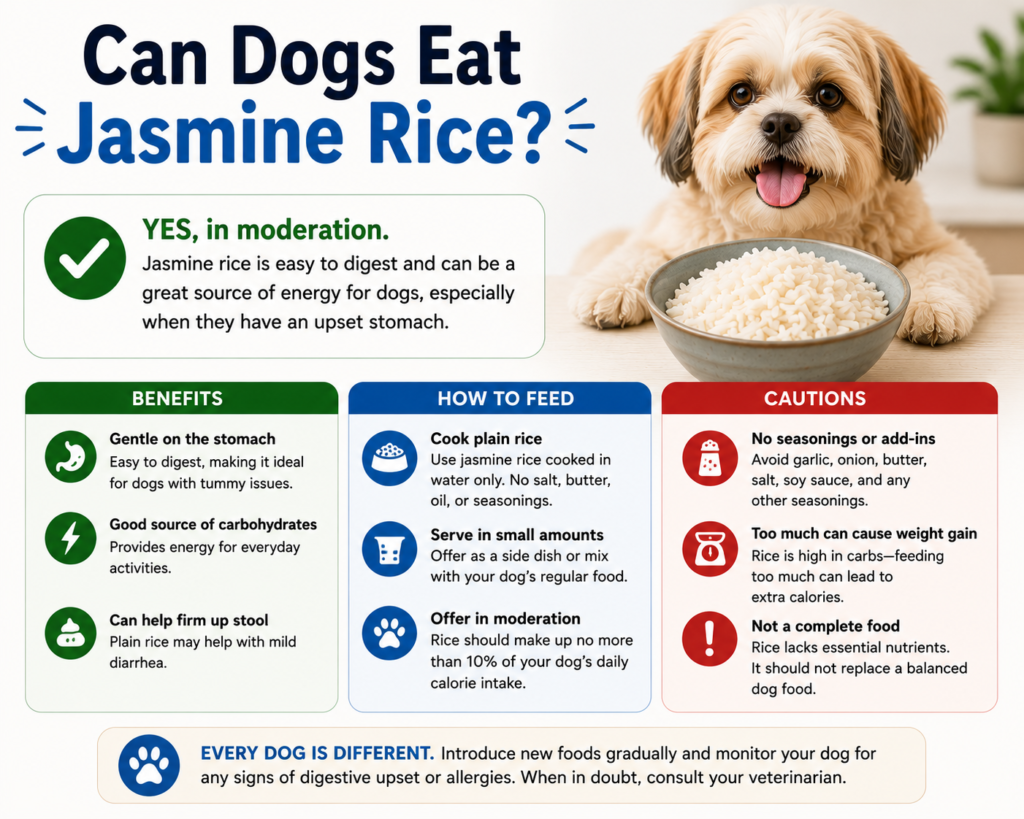
Can Dogs Eat Jasmine Rice?
Yes, dogs can eat plain cooked jasmine rice. Like white rice, it is easy to digest and can provide energy. Jasmine rice is often suitable for dogs experiencing mild stomach upset. Serve it plain without butter, salt, spices, or sauces.
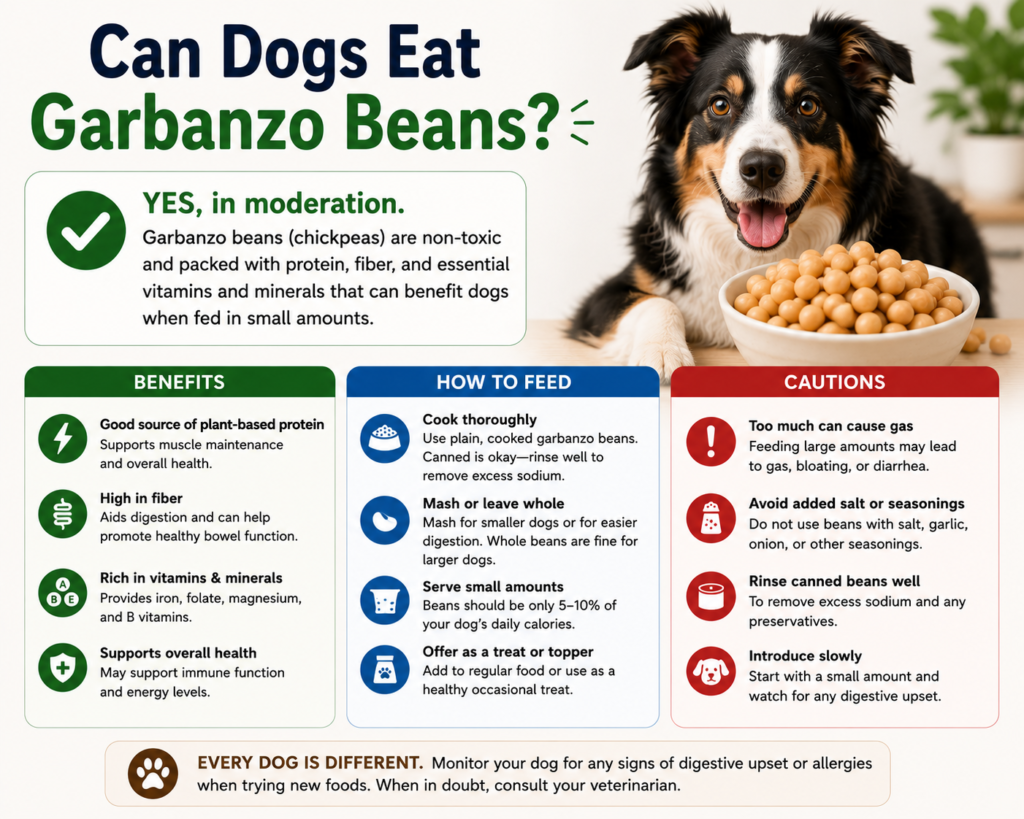
Can Dogs Eat Garbanzo Beans?
Yes, dogs can eat cooked garbanzo beans, also known as chickpeas. They provide protein, fiber, and essential nutrients. Serve them plain without added salt, garlic, onions, or seasonings. Garbanzo beans can be a healthy addition to a balanced canine diet.
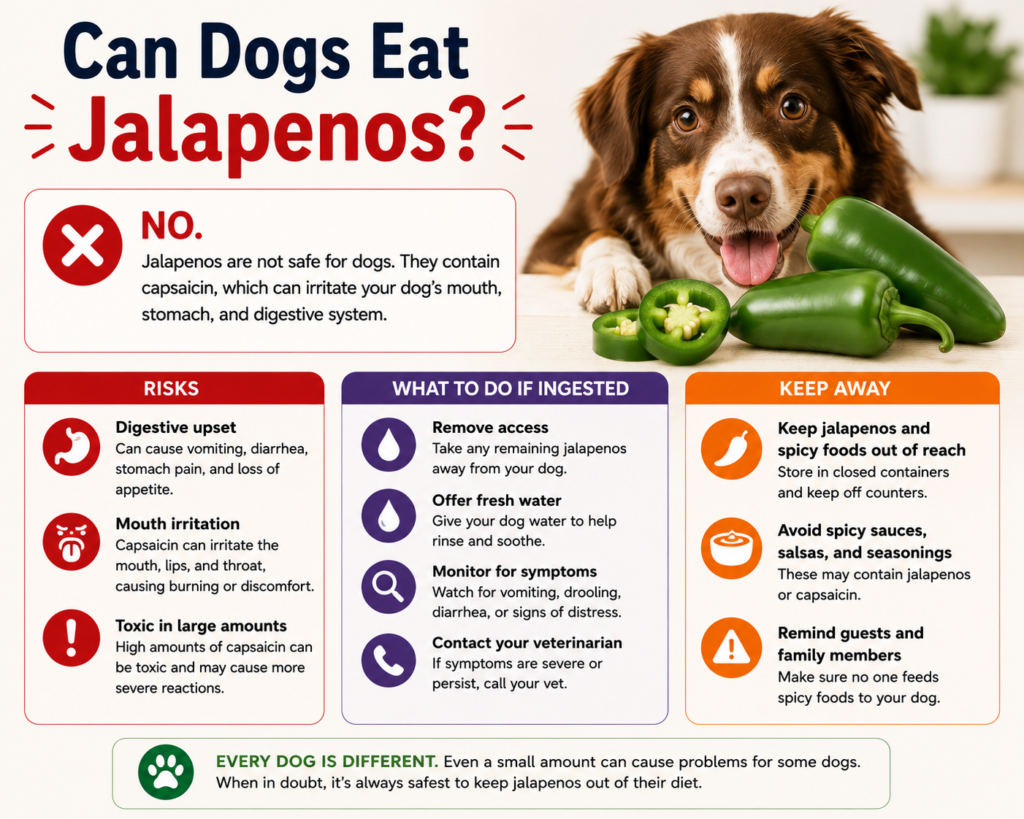
Can Dogs Eat Jalapenos?
No, jalapenos are not recommended for dogs. While they are not toxic, their spicy nature can irritate a dog’s digestive system and cause stomach pain, vomiting, diarrhea, or discomfort. Dogs do not benefit from spicy foods, so they should be avoided.
Can Dogs Eat Potato Skins?
Potato skins are not ideal for dogs. Cooked potato skins are not toxic, but they can be difficult to digest and may contain excess oils, salt, or seasonings. Green potato skins should never be fed because they contain solanine, which can be toxic.
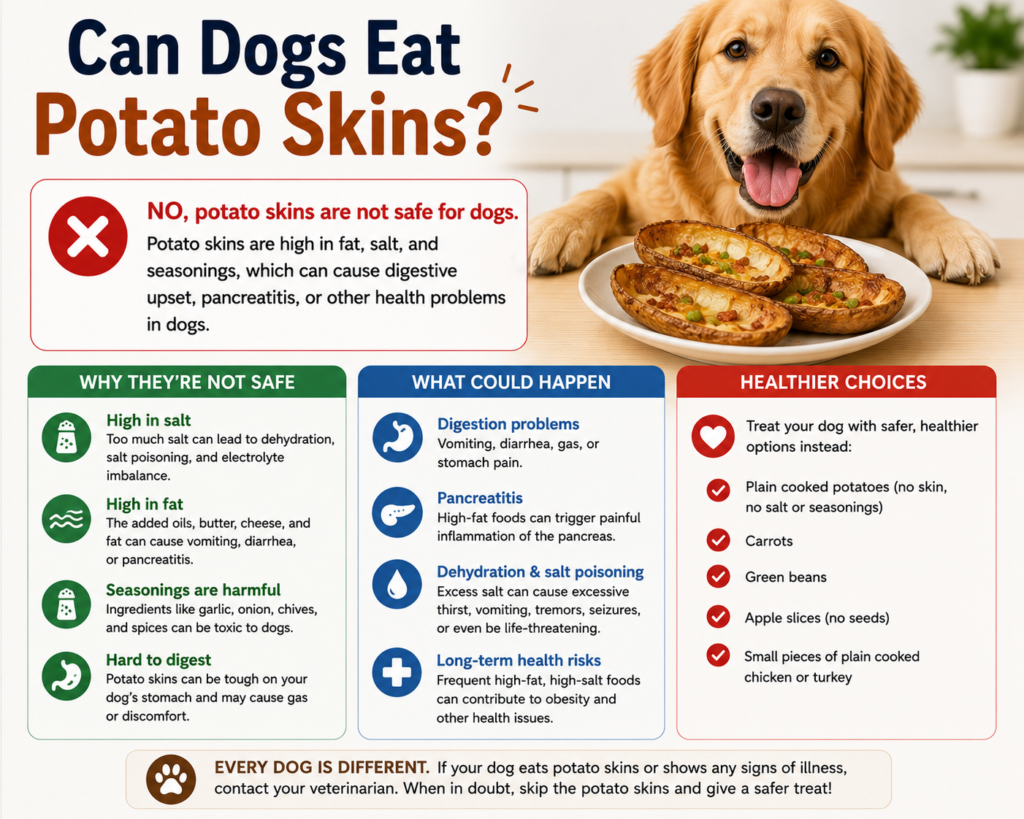
Can Dogs Eat Granola?
Granola is generally not recommended for dogs. Many granola products contain added sugar, chocolate, raisins, nuts, or artificial sweeteners that may be harmful. Plain oats are a much safer option if you want to share a grain-based snack with your dog.
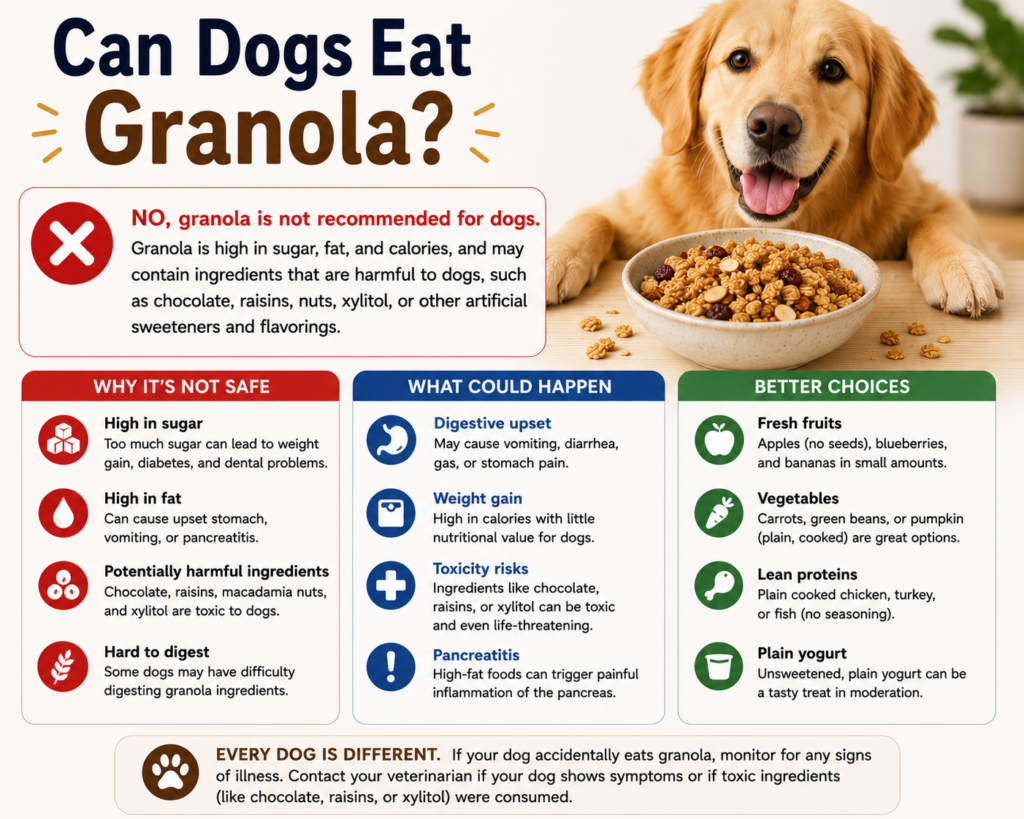
Can Dogs Eat Pinto Beans?
Yes, dogs can eat cooked pinto beans in moderation. Pinto beans are rich in fiber, protein, and nutrients that support health. They should be fully cooked and served plain without added salt, garlic, onions, or spices. Small portions work best.
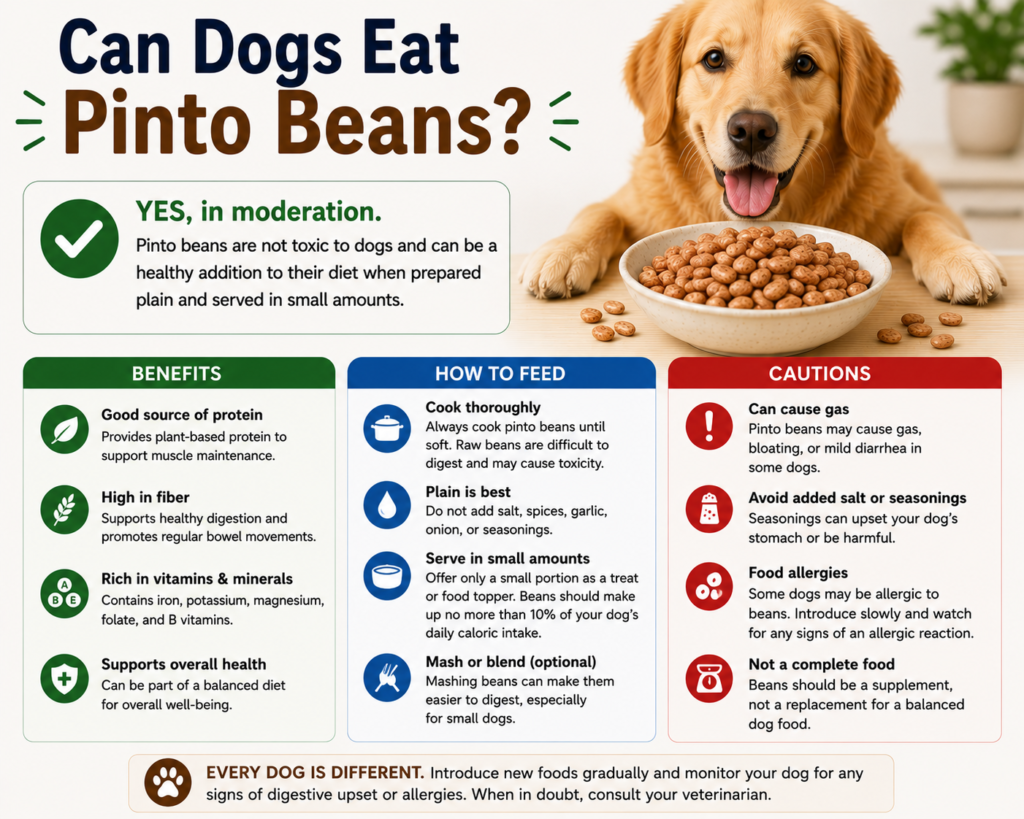
Can Dogs Eat Ketchup?
No, ketchup is not recommended for dogs. Most ketchup contains sugar, salt, and seasonings that are not healthy for dogs. Some varieties may also contain onion or garlic powder, which can be toxic. Plain tomatoes are a safer alternative.
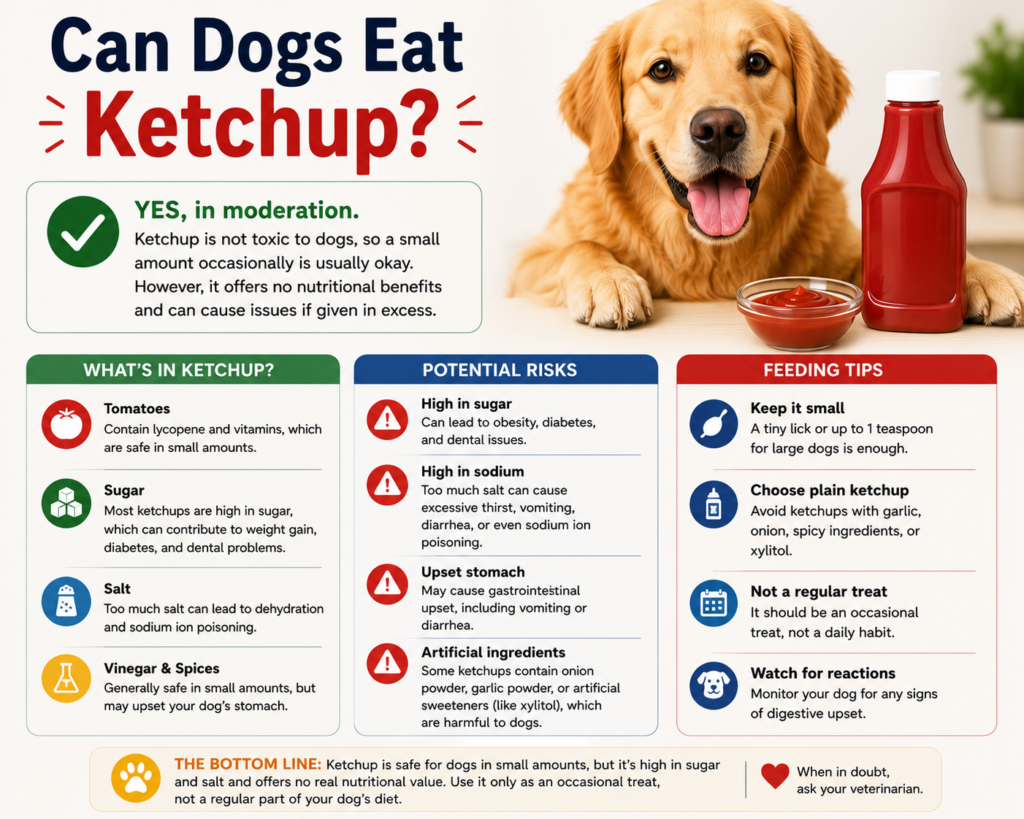
Can Dogs Eat Garlic?
Garlic is strongly prohibited because even a small amount of garlic is toxic to a dog’s health. Also, avoid giving such foods to dogs that contain garlic content. Some of the foods that contain garlic are garlic bread, some sauces, seasoned meat, and baby food.
Garlic contains a compound known as thiosulfate that can cause liver damage. Garlic is harmful for dogs in any form, whether it is raw, cooked, or in powder form. Moreover, garlic oil is also toxic because it can cause gastrointestinal issues. However, always consult a vet before giving supplements or dog food with garlic content.
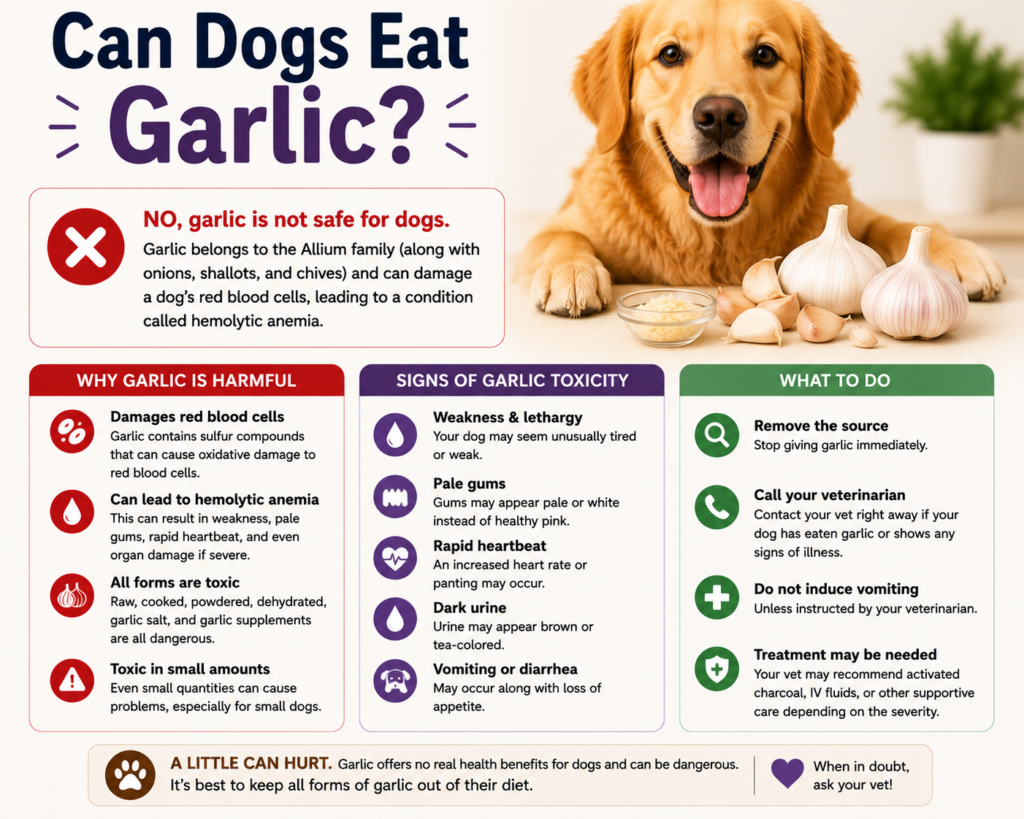
Can Dogs Eat Bell Peppers?
Overfeeding of everything is bad for your dog. Always feed your dog in a moderate amount. Bell pepper is a safe food for dogs, and it is recommended due to its low calories and high water content. Also, it contains many essential nutrients like vitamins A, C, E, beta-carotene, and fiber. Vitamins help boost the immune system, and fiber improves digestion. It is safe to give raw or cooked bell peppers to dogs.
It is necessary to wash vegetables thoroughly. Give it in small pieces to the dog to avoid choking. Avoid giving salty or spicy bell peppers to dogs. Bell pepper comes in different colors, like red, yellow, and green; all are safe and recommended. However, red bell pepper contains more nutrients, like vitamins and antioxidants.
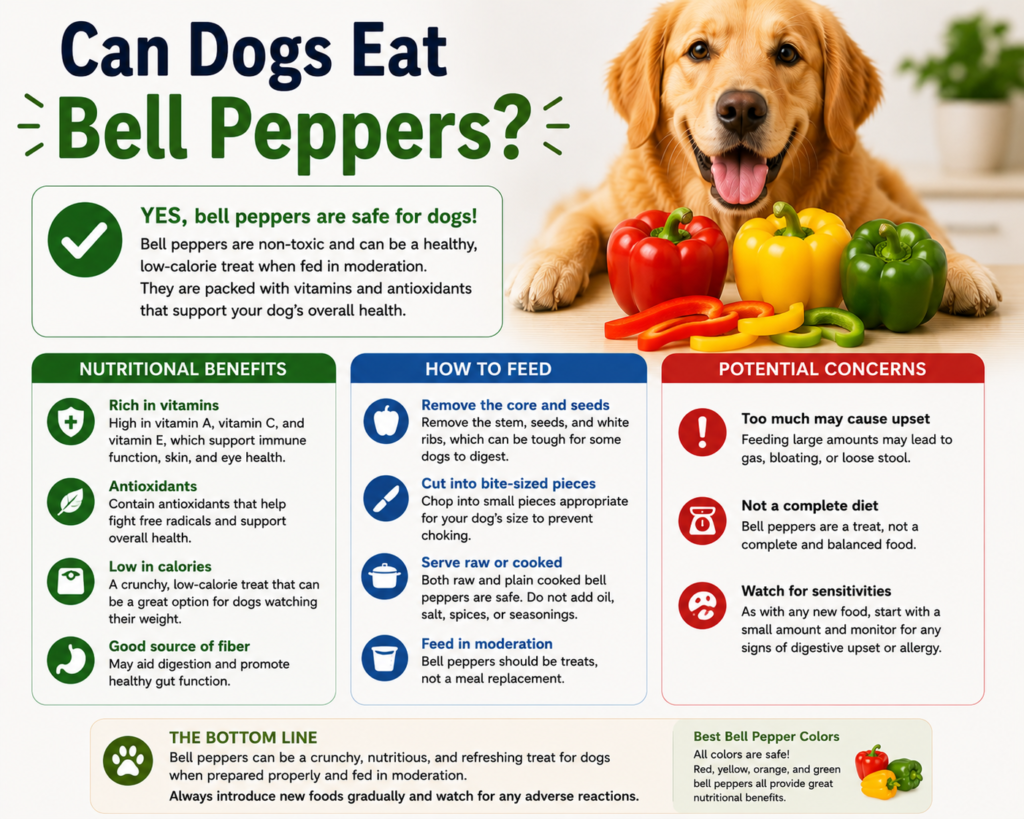
Can Dogs Eat Grits?
Yes, dogs can eat plain cooked grits in moderation. Grits are made from corn and provide carbohydrates for energy. However, they offer limited nutritional value compared to healthier foods. Avoid adding butter, cheese, salt, or seasonings, as these ingredients may not be suitable for dogs.
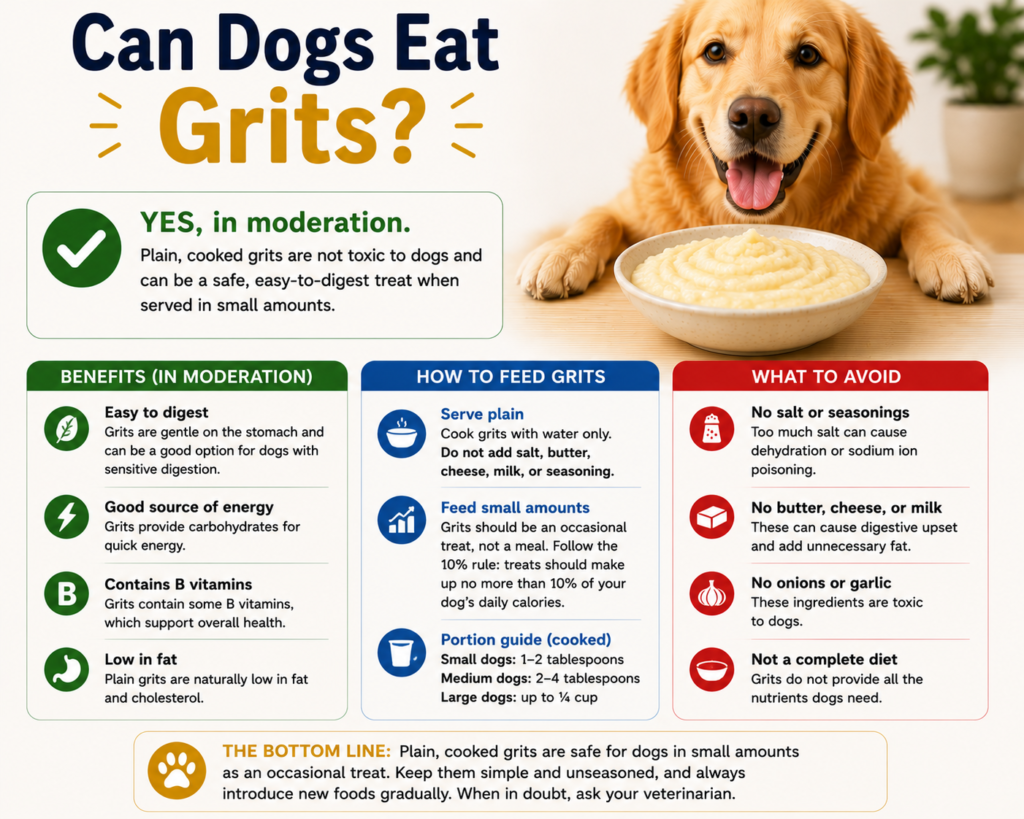
Can Dogs Eat Hummus?
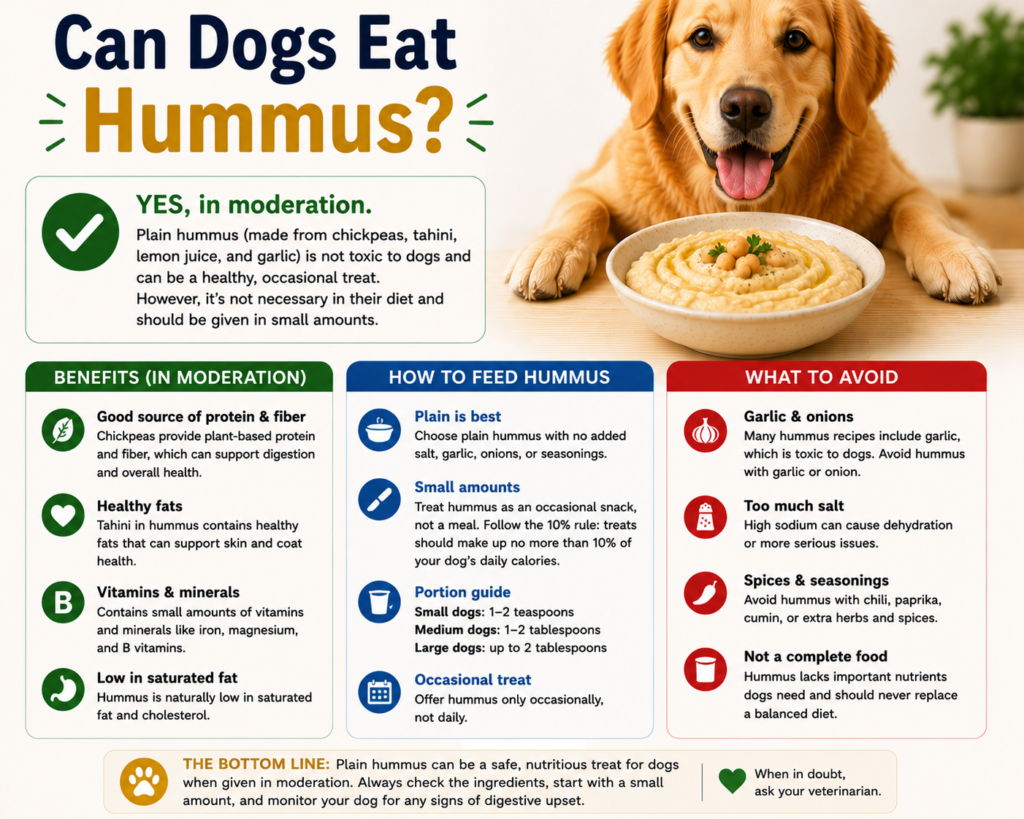
No, hummus is not recommended for dogs. While chickpeas themselves are safe, hummus often contains garlic, lemon juice, salt, and spices that can be harmful. Garlic is especially dangerous for dogs. Plain cooked chickpeas are a much safer and healthier alternative.
Can Dogs Eat Potato Chips?
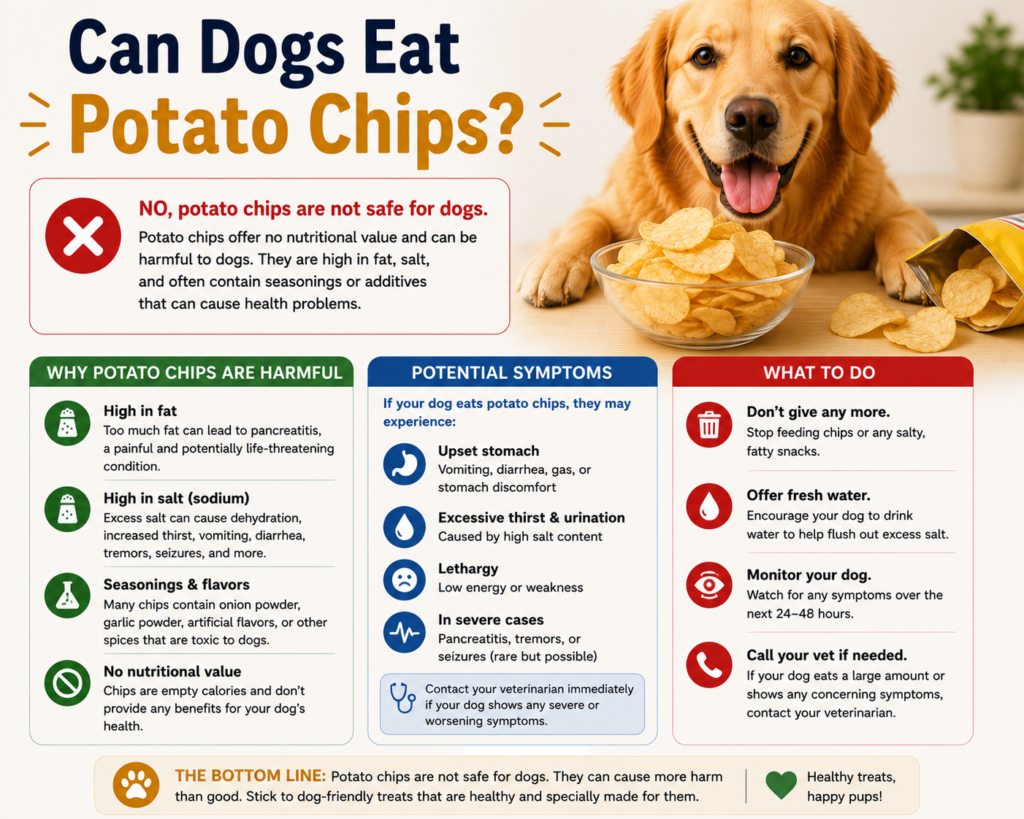
No, potato chips are not a healthy snack for dogs. They are typically loaded with salt, unhealthy fats, and artificial flavorings. Eating too many chips can contribute to dehydration, obesity, and digestive issues. Plain cooked potatoes are a much better choice.
Can Dogs Eat Persimmons?
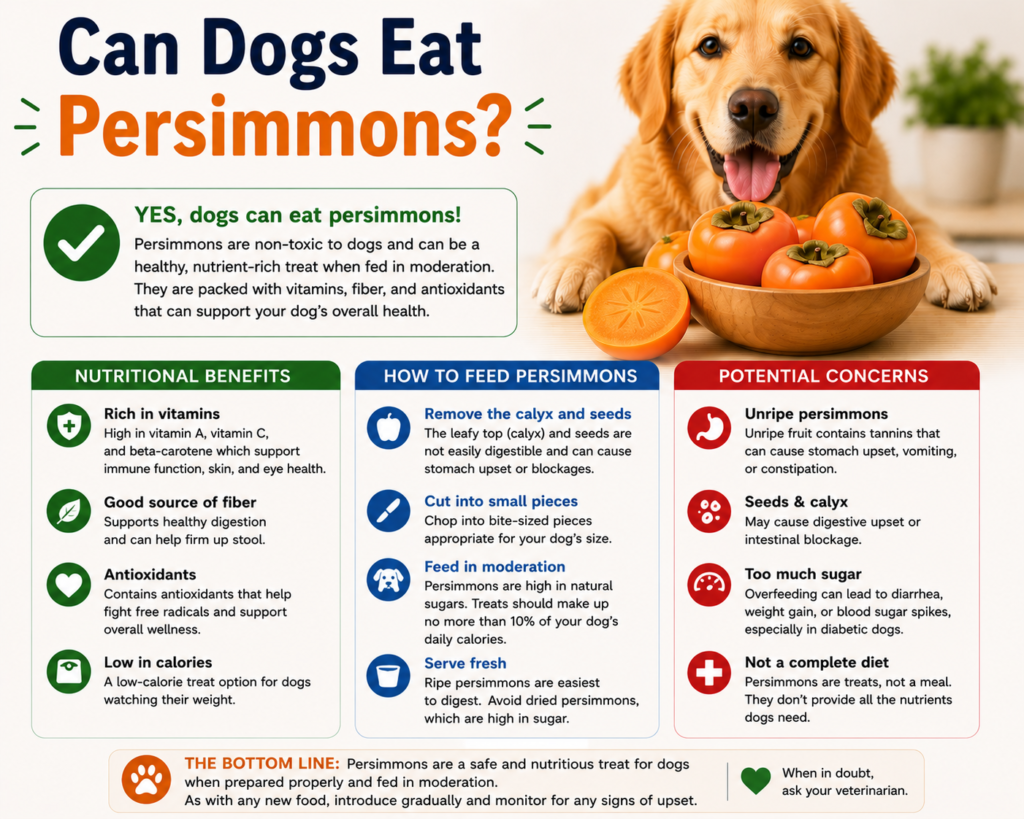
Yes, dogs can eat persimmons in moderation. Persimmons contain fiber, vitamins, and antioxidants that may benefit overall health. Remove the seeds and pit before serving, as they can cause digestive blockages. Small pieces of ripe persimmon make a safe occasional treat.
Can Dogs Eat Spicy Food?
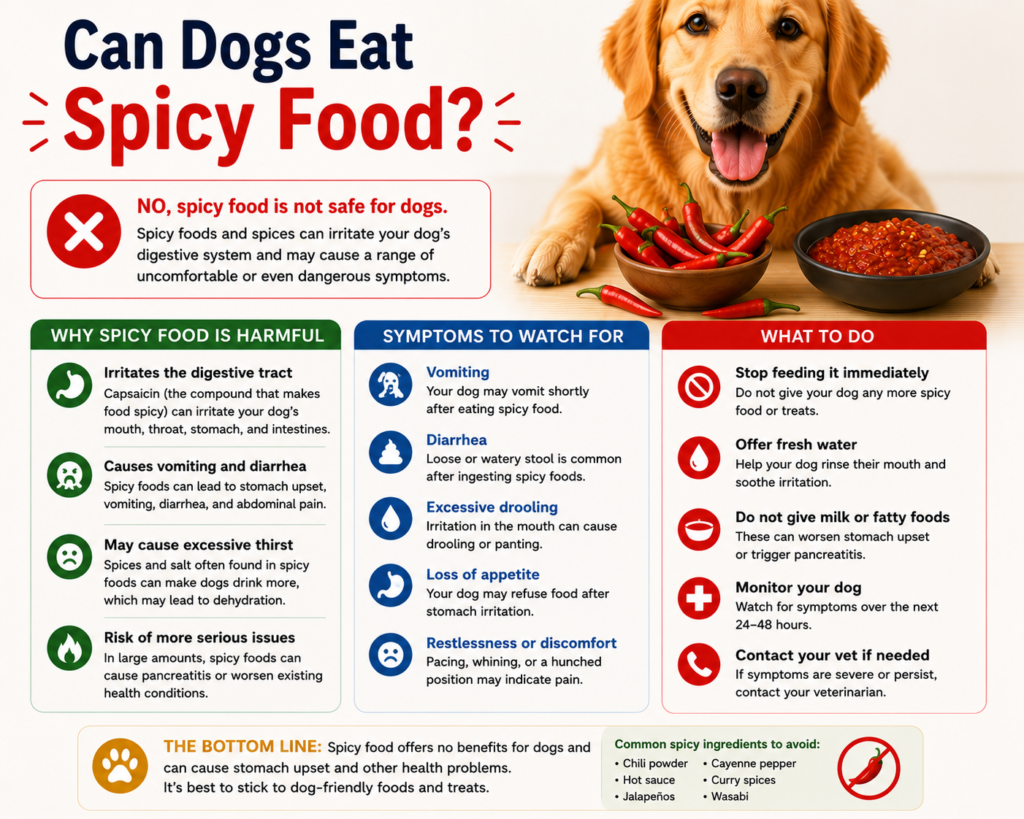
No, dogs should not eat spicy food. Spicy ingredients can irritate a dog’s digestive system and lead to stomach pain, vomiting, diarrhea, and discomfort. Dogs do not benefit from spicy foods, so it is best to keep their meals simple and mild.
Can Dogs Eat Tomato Sauce?
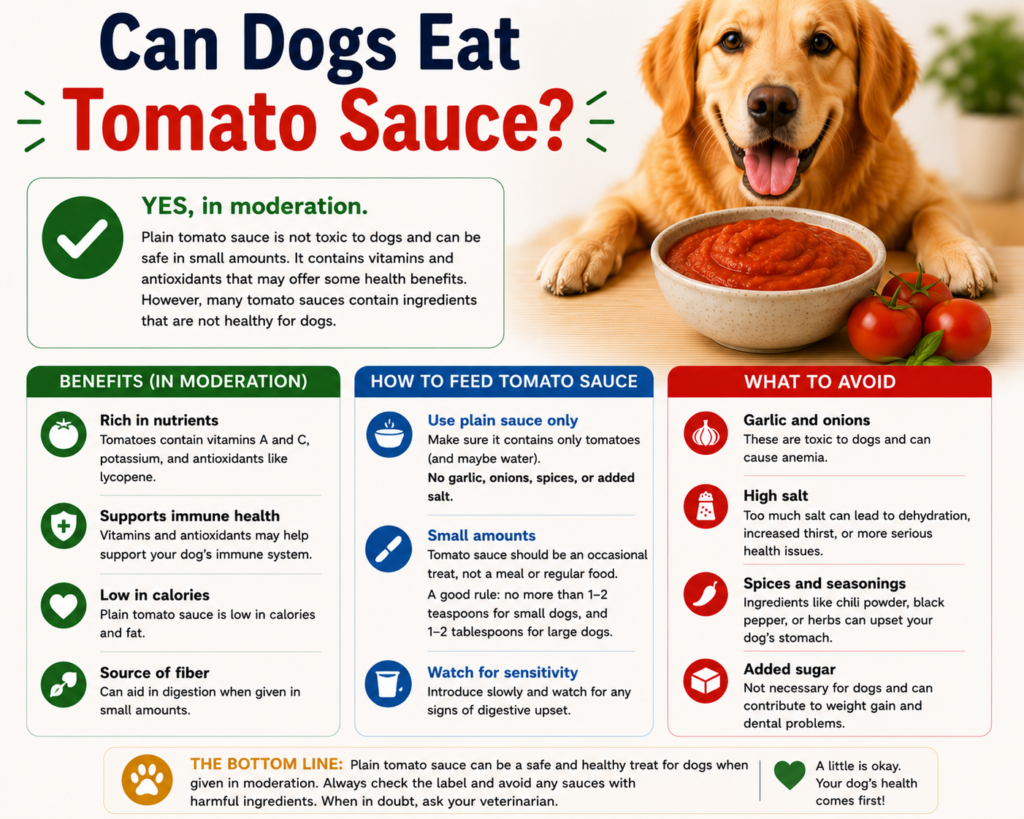
Tomato sauce is generally not recommended for dogs. Most commercial sauces contain garlic, onions, salt, sugar, and seasonings that may be harmful. Plain ripe tomatoes are safer, but processed tomato products should usually be avoided unless specifically made for dogs.
Can Dogs Eat Arugula?
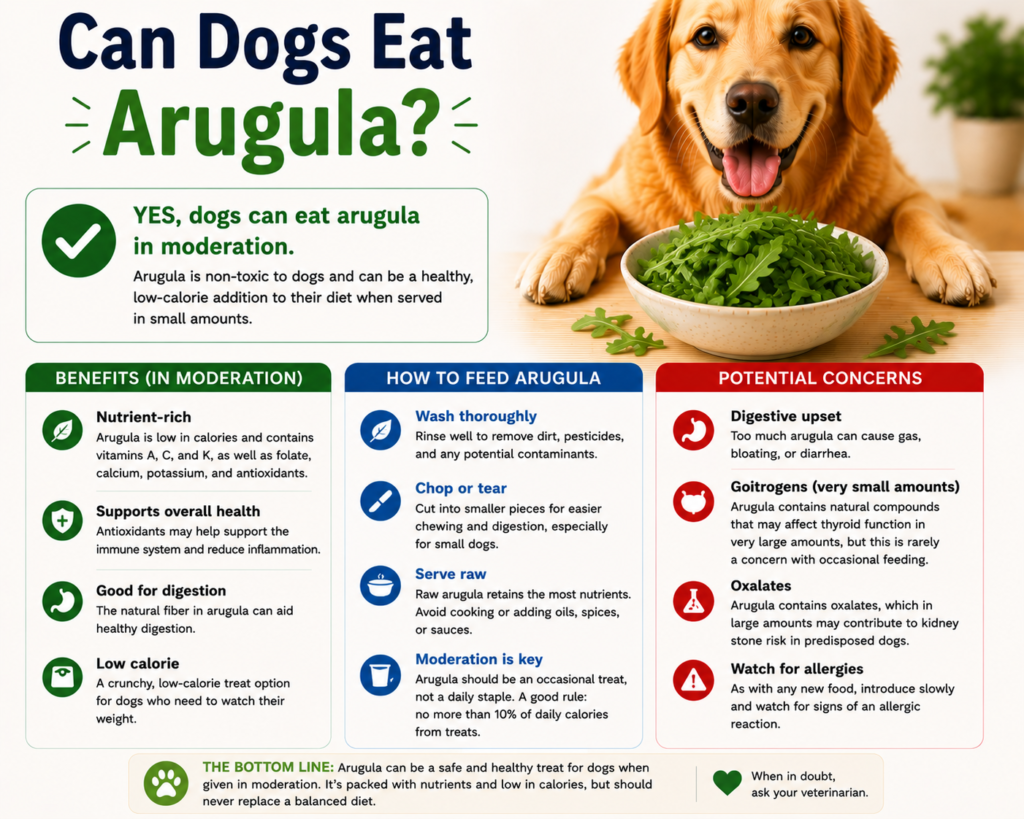
Yes, dogs can eat arugula in moderation. Arugula contains vitamins, minerals, and antioxidants that may support overall health. Some dogs enjoy its leafy texture, while others may not like the slightly peppery taste. Serve it fresh and plain without dressings or seasonings.
Can Dogs Eat Cornbread?
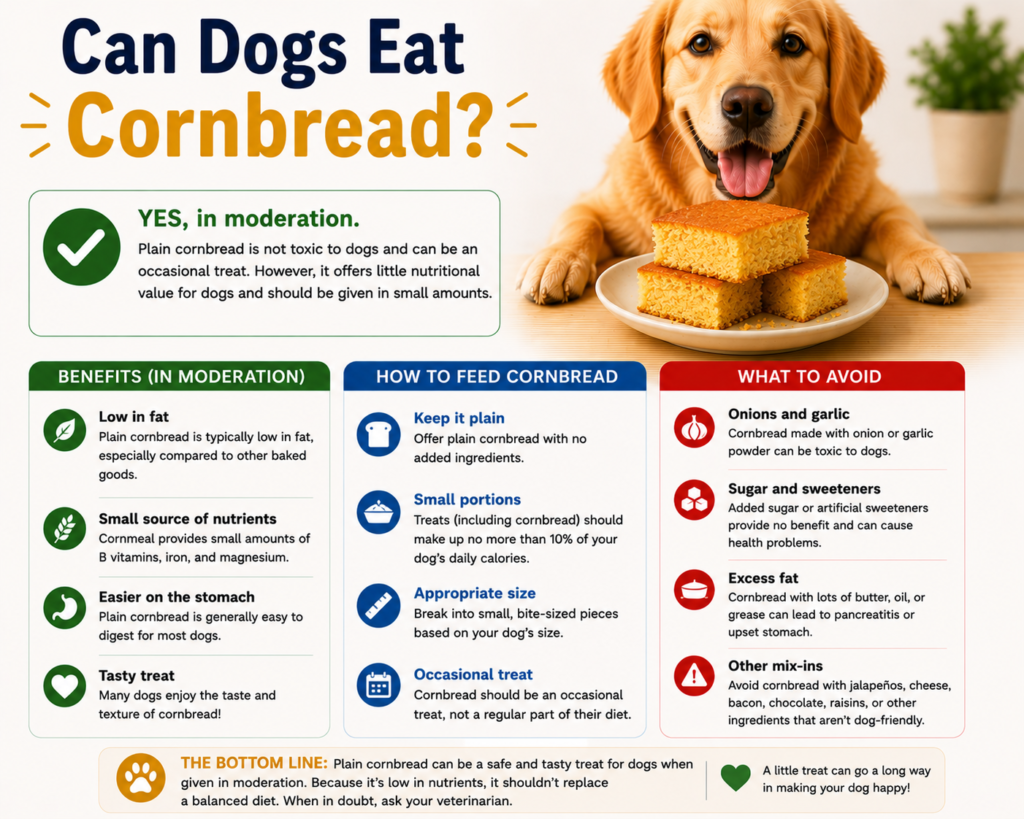
Yes, dogs can eat plain cornbread in small amounts. Cornbread is not toxic, but it is high in carbohydrates and offers limited nutritional value. Avoid cornbread recipes that contain excessive sugar, butter, jalapenos, or other ingredients that may upset your dog’s stomach.
Can Dogs Eat Parmesan Cheese?
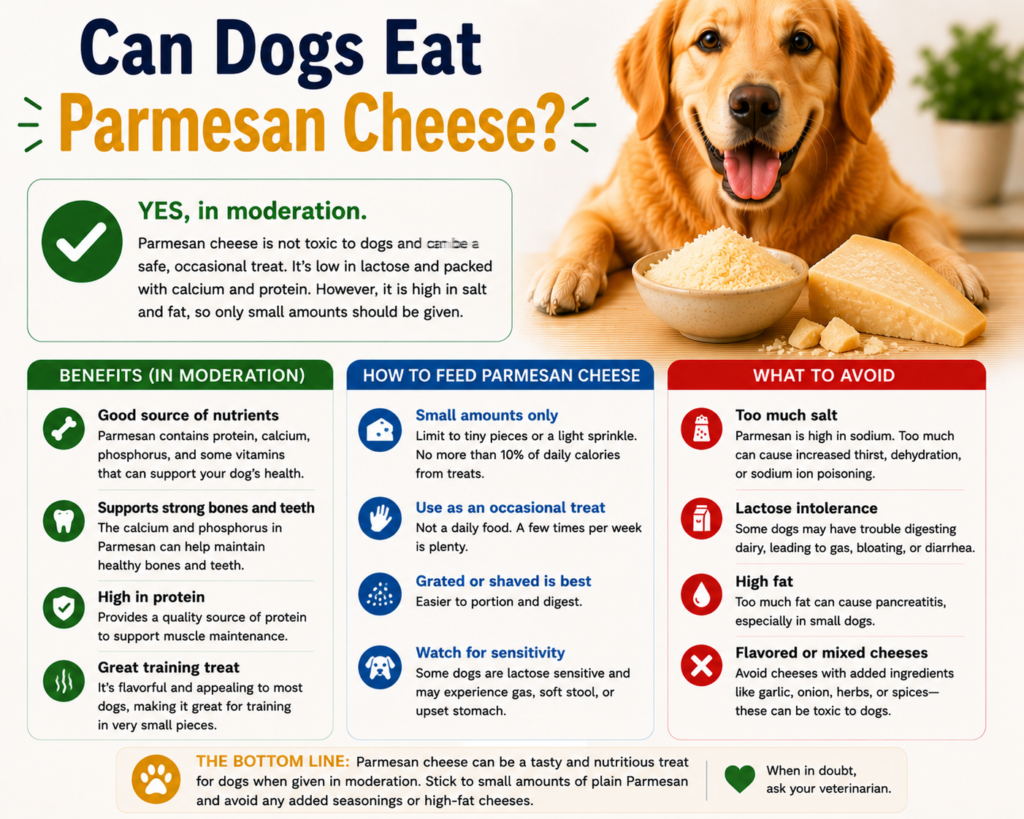
Yes, dogs can eat small amounts of parmesan cheese occasionally. Parmesan contains protein and calcium, but it is also high in sodium and fat. Because many dogs are sensitive to dairy products, parmesan should only be offered as an occasional treat.
Can Dogs Eat Cheez-Its?
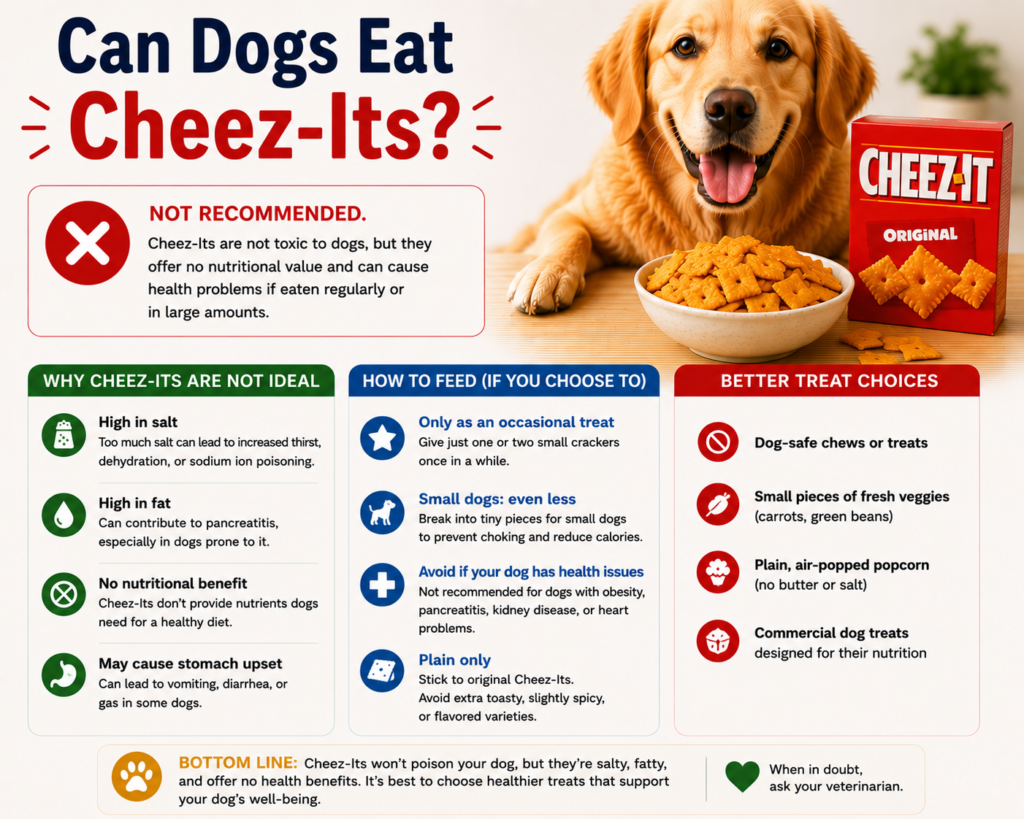
No, Cheez-Its are not a healthy snack for dogs. They contain high levels of salt, fat, artificial ingredients, and processed cheese. While a few crackers are unlikely to cause serious harm, they provide little nutritional value and should not be a regular treat.
Can Dogs Eat Lamb Bones?
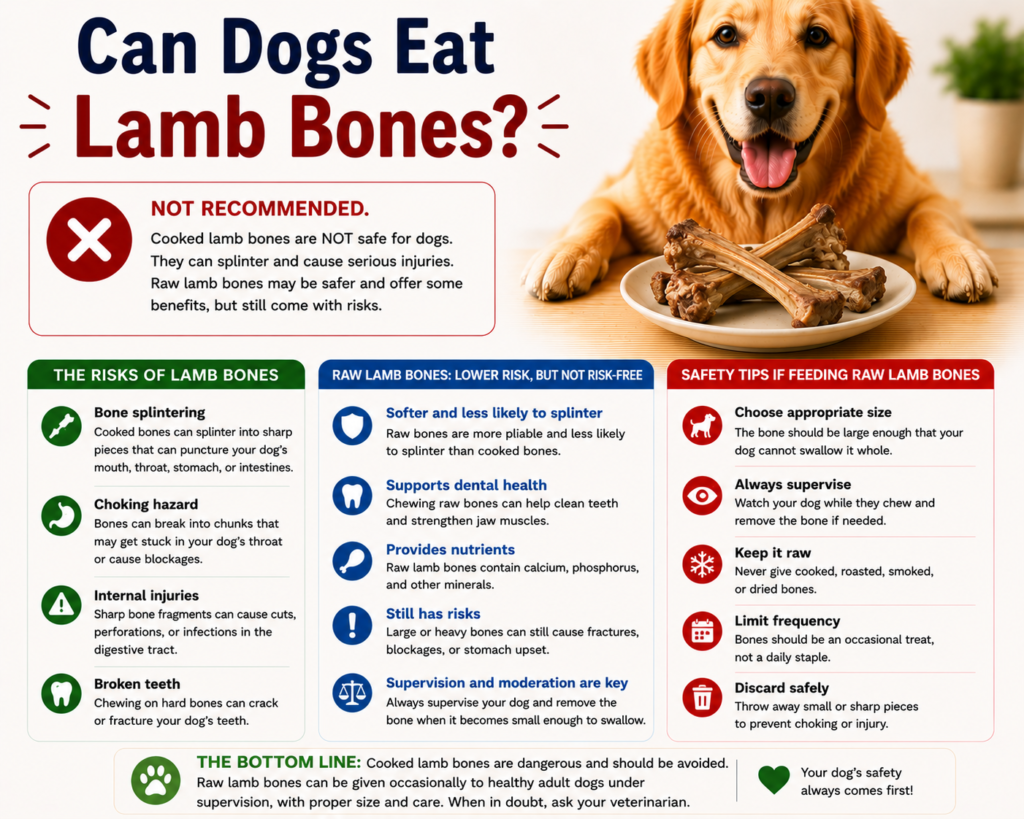
No, cooked lamb bones are not safe for dogs. Cooked bones can splinter and cause choking, mouth injuries, intestinal blockages, or internal damage. Raw bones may be safer in some cases, but they should only be offered under veterinary guidance and supervision.
Can Dogs Eat Mayonnaise?
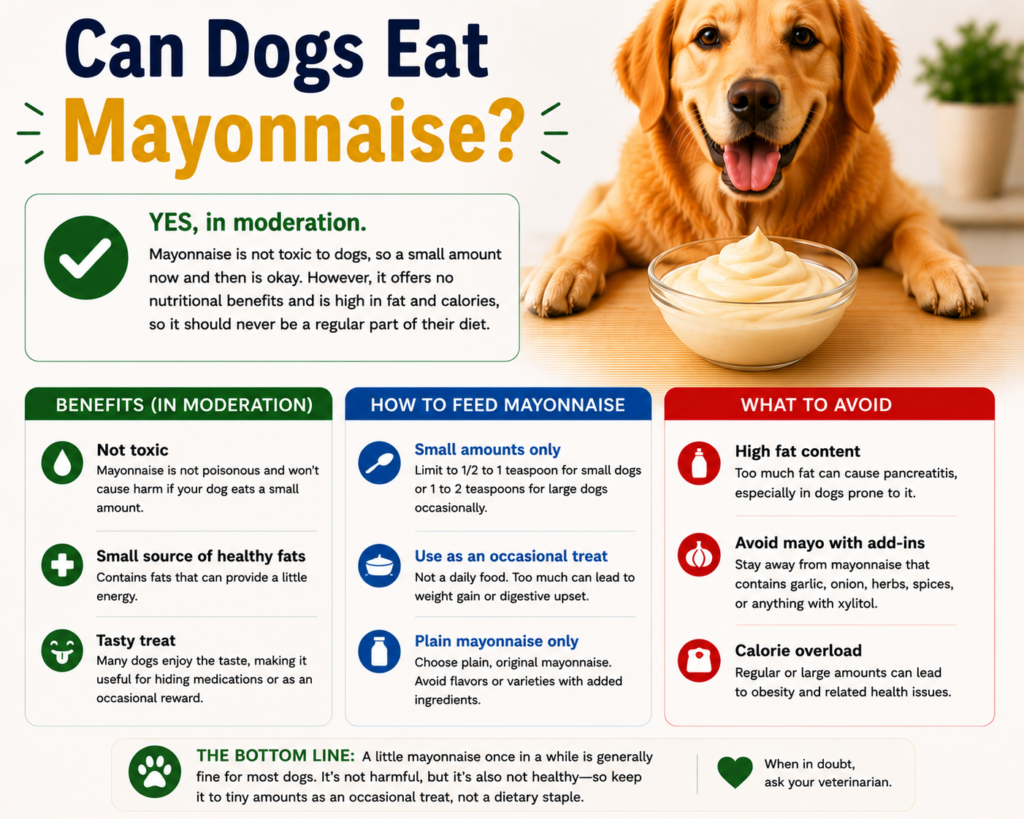
Yes, dogs can eat small amounts of mayonnaise, but it is not recommended. Mayonnaise is high in fat and calories while offering little nutritional value. Excessive consumption can contribute to weight gain and digestive upset. Healthier treat options are generally preferable.
Can Dogs Eat Pomegranate?
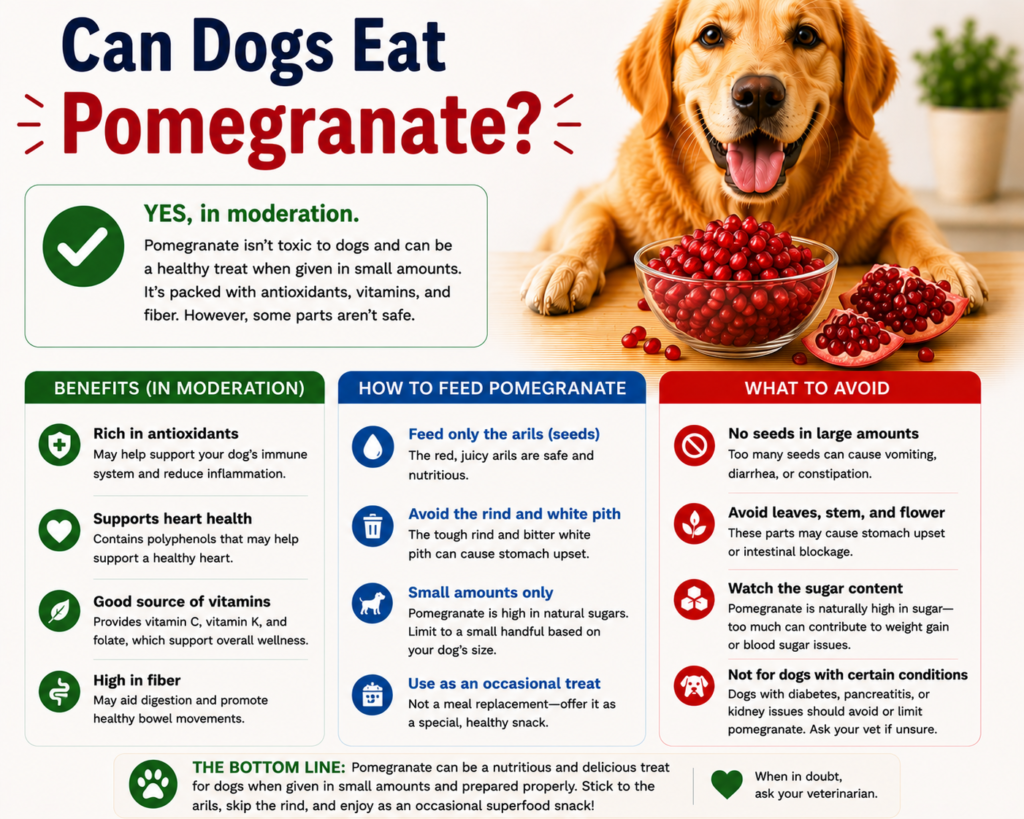
Pomegranate is not recommended for dogs. While it contains antioxidants, many dogs experience stomach upset after eating it. The seeds and fruit may cause vomiting or diarrhea in sensitive dogs. Safer fruit choices include blueberries, strawberries, and apples without seeds.
Can Dogs Eat Cooked Potatoes?
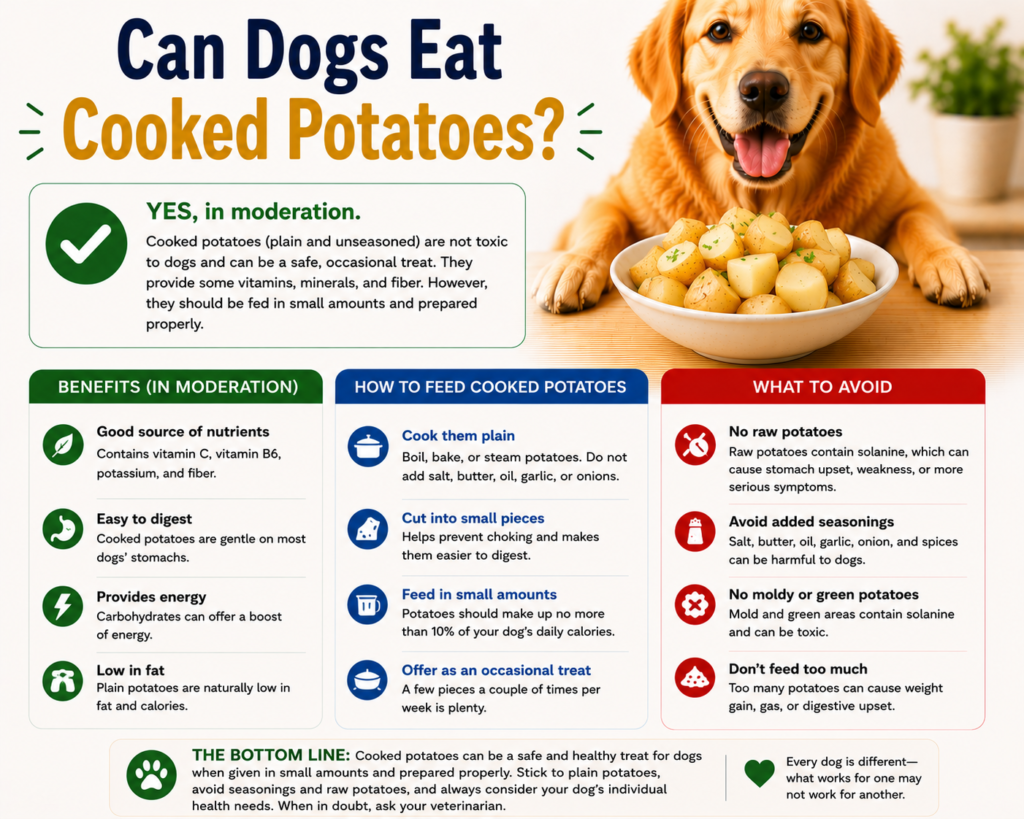
Yes, dogs can eat plain cooked potatoes in moderation. Potatoes provide carbohydrates, vitamins, and minerals that can support energy levels. They should be fully cooked and served without butter, salt, oils, or seasonings. Green or raw potatoes should always be avoided.
Can Dogs Eat Ritz Crackers?
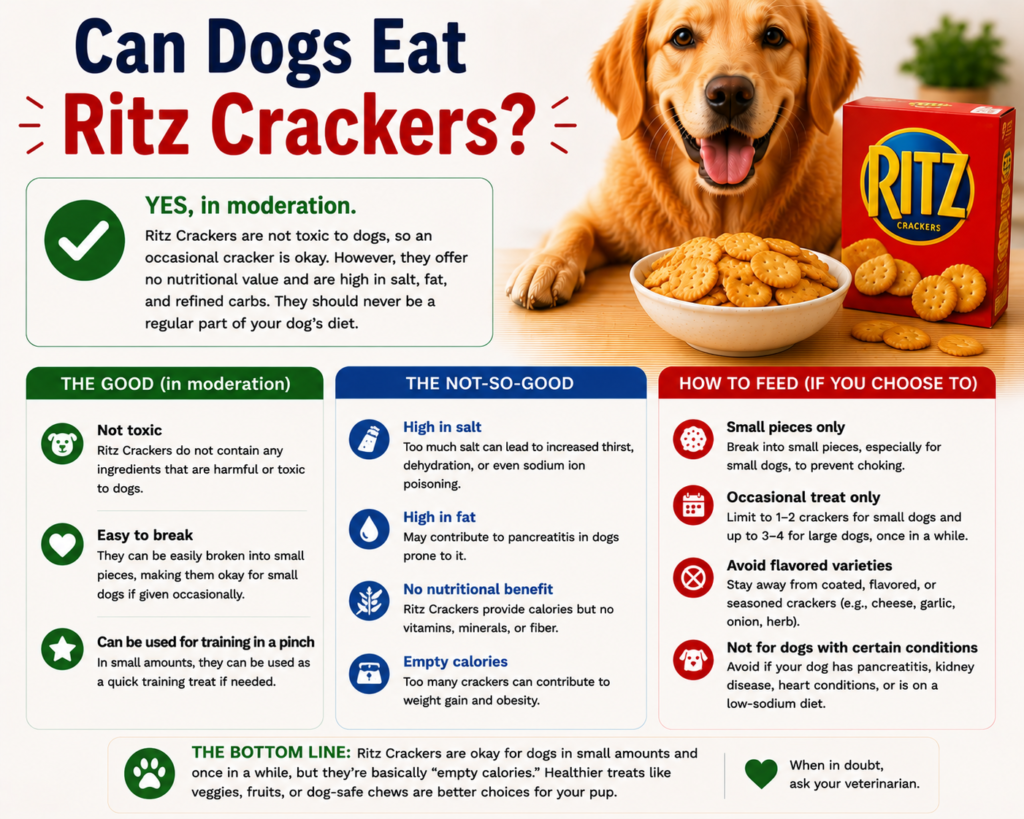
Dogs can eat a small amount of Ritz crackers, but they are not recommended. Ritz crackers contain salt, fat, and processed ingredients that offer little nutritional value. Occasional consumption is unlikely to be harmful, but healthier snacks are a better option.
Can Dogs Eat Scallops?
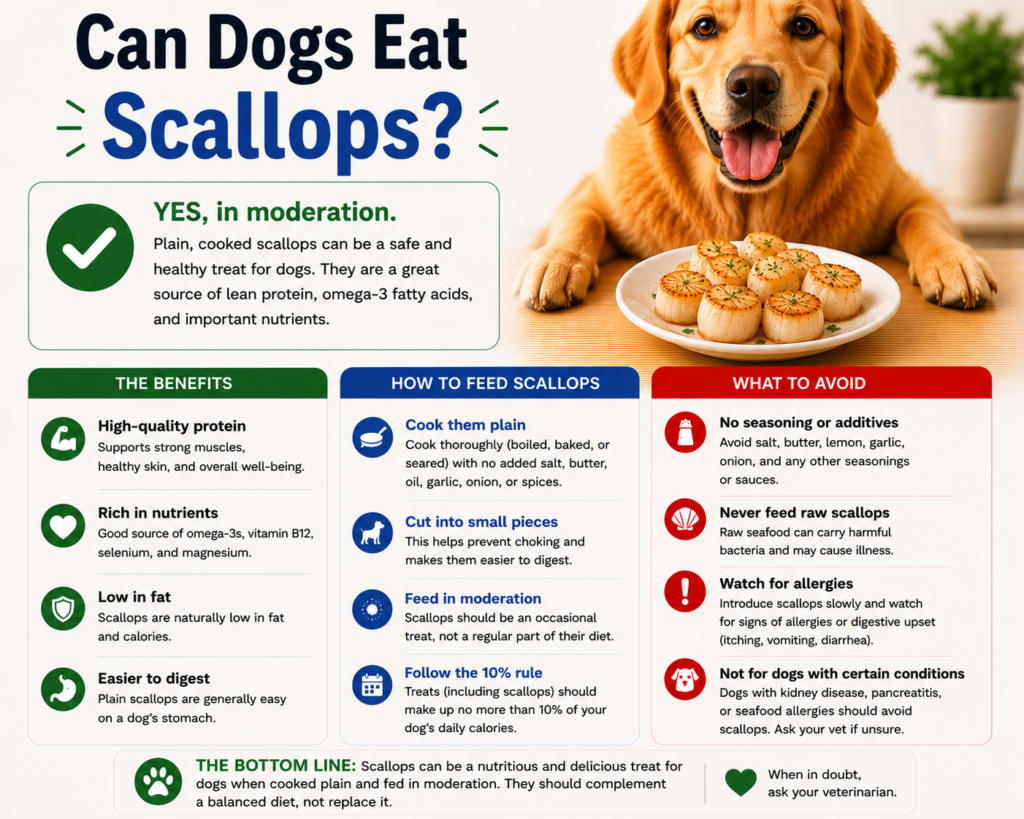
Yes, dogs can eat cooked scallops in moderation. Scallops are a lean source of protein and contain important nutrients. They should be fully cooked and served plain without butter, garlic, onions, or seasonings. Small portions can make a healthy occasional treat.
Can Dogs Eat Cheetos?
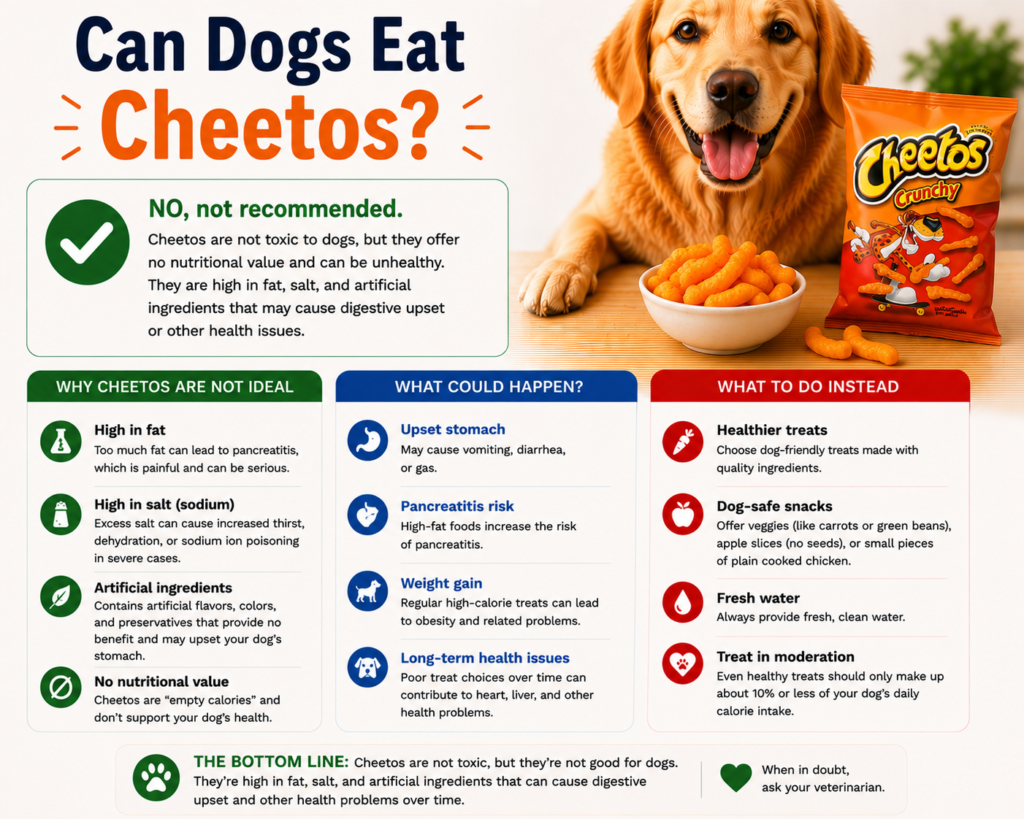
No, Cheetos are not a suitable food for dogs. They are highly processed and contain salt, artificial flavorings, unhealthy fats, and additives. While a small piece is unlikely to cause serious harm, they offer no nutritional benefits and should be avoided.
Can Dogs Eat Goldfish Crackers?
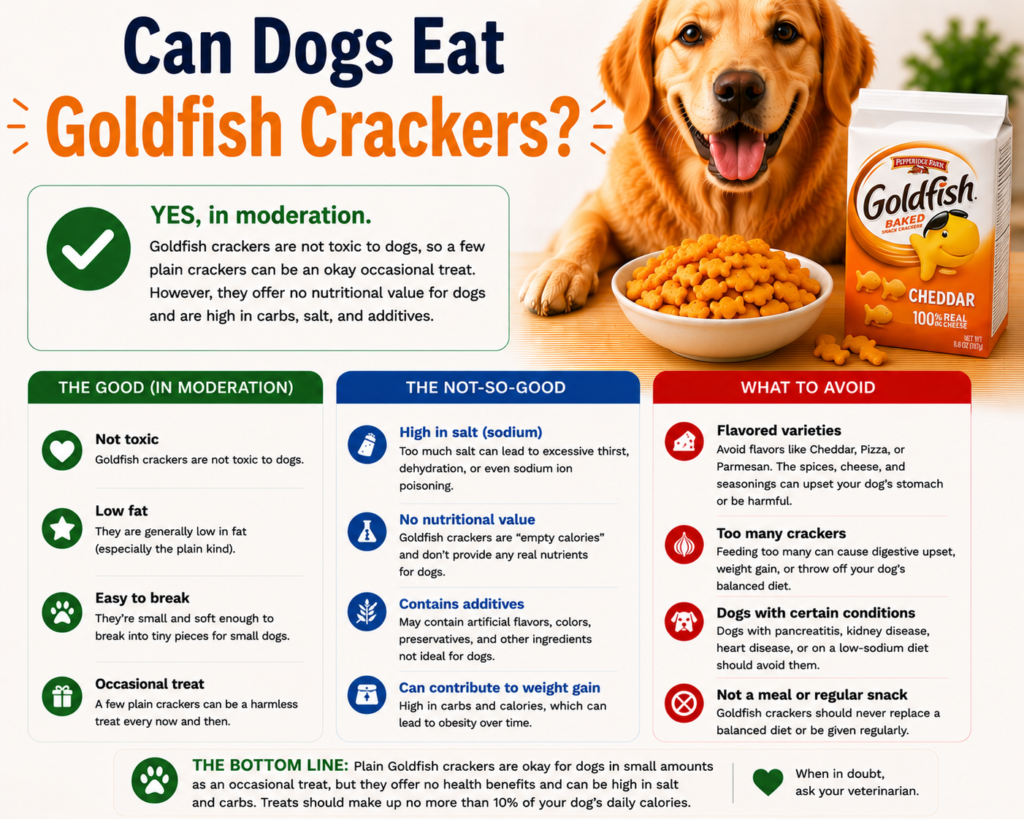
Goldfish crackers are not recommended for dogs. They contain processed ingredients, salt, and cheese flavorings that are not healthy for canine diets. Although a few crackers may not cause harm, they should not become a regular snack for your dog.
Can Dogs Eat Poppy Seeds?
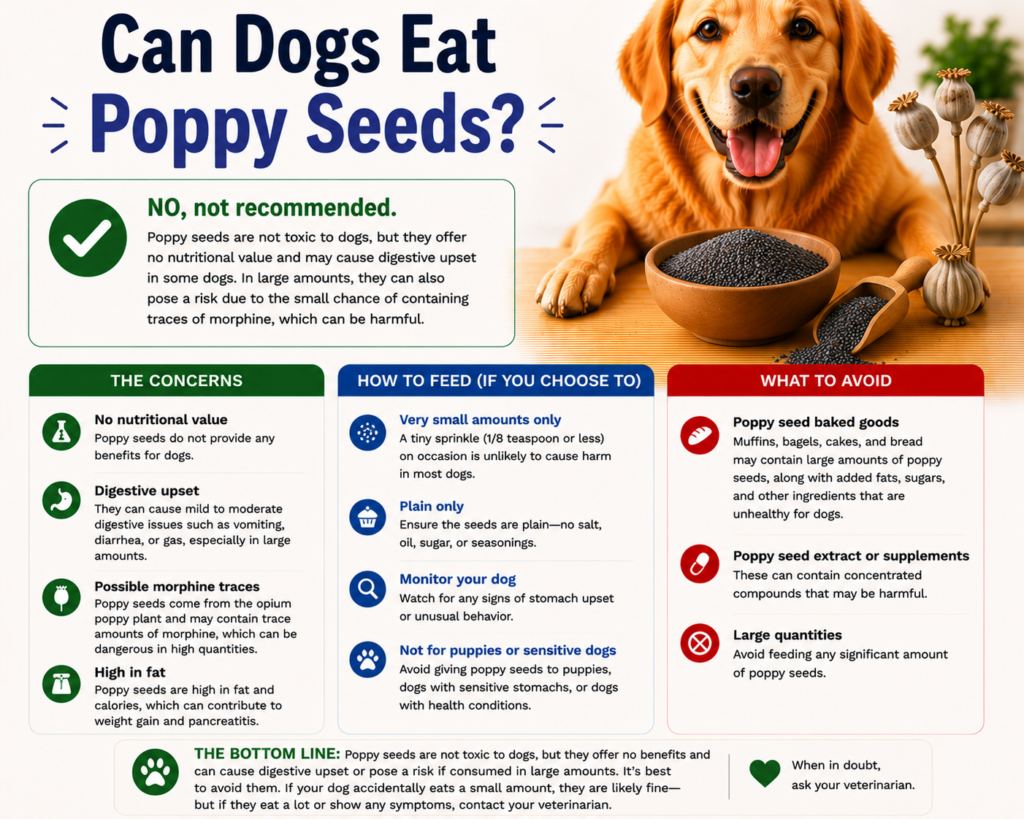
No, dogs should not eat poppy seeds. Poppy seeds contain compounds that can be toxic to dogs and may cause symptoms such as weakness, lethargy, difficulty breathing, or more serious reactions. It is best to avoid all foods containing poppy seeds.
Can Dogs Eat Refried Beans?
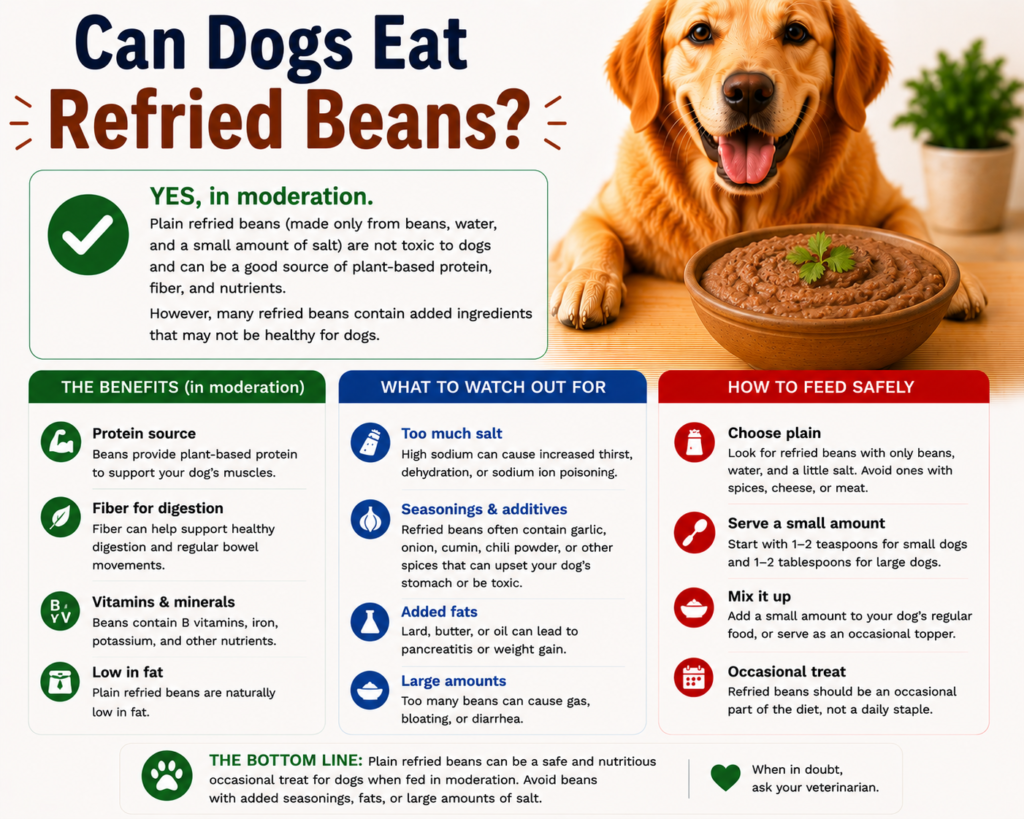
No, refried beans are generally not recommended for dogs. They often contain garlic, onions, salt, spices, and fats that can be harmful. Plain cooked beans are much safer and provide nutritional benefits without the unhealthy ingredients found in refried beans.
Can Dogs Eat Guacamole?
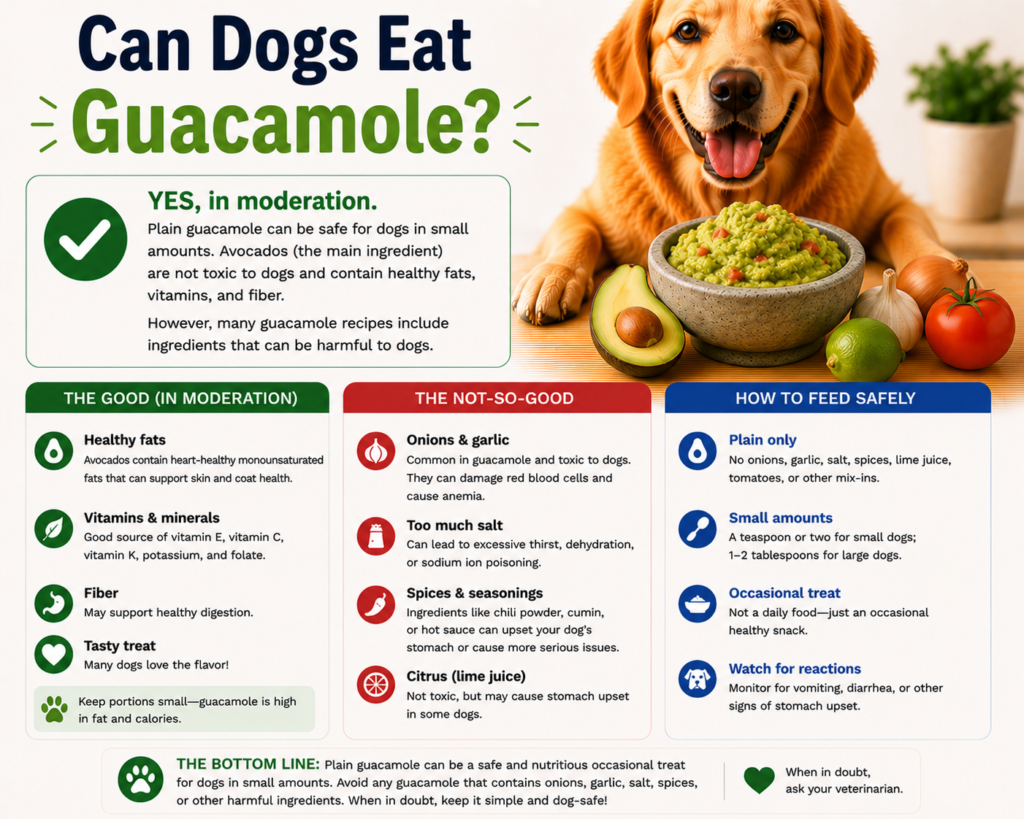
No, guacamole is not safe for dogs. Guacamole often contains onions, garlic, salt, and seasonings that are harmful. While small amounts of plain avocado flesh may be tolerated by some dogs, guacamole should always be avoided due to its added ingredients.
Can Dogs Eat Noodles?
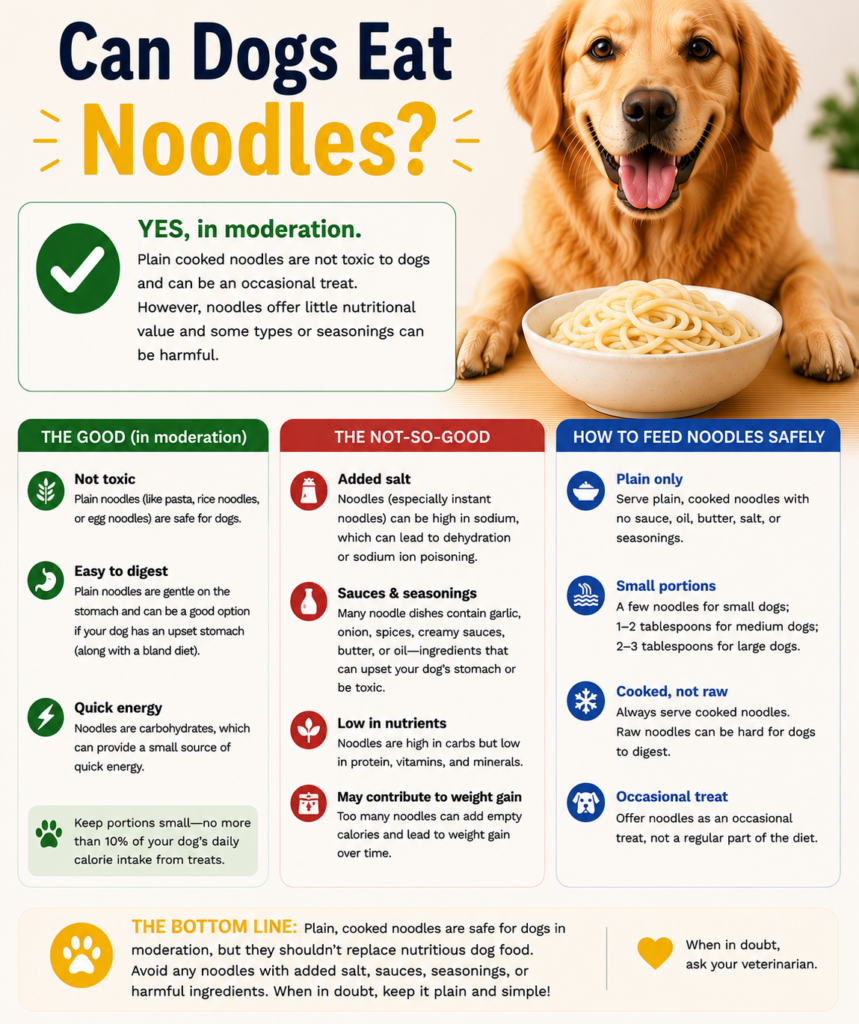
Yes, dogs can eat plain cooked noodles in moderation. Noodles are not toxic and can provide carbohydrates for energy. However, they offer little nutritional value. Avoid sauces, seasonings, garlic, onions, or rich toppings that may be harmful to your dog.
Can Dogs Eat Goldfish?
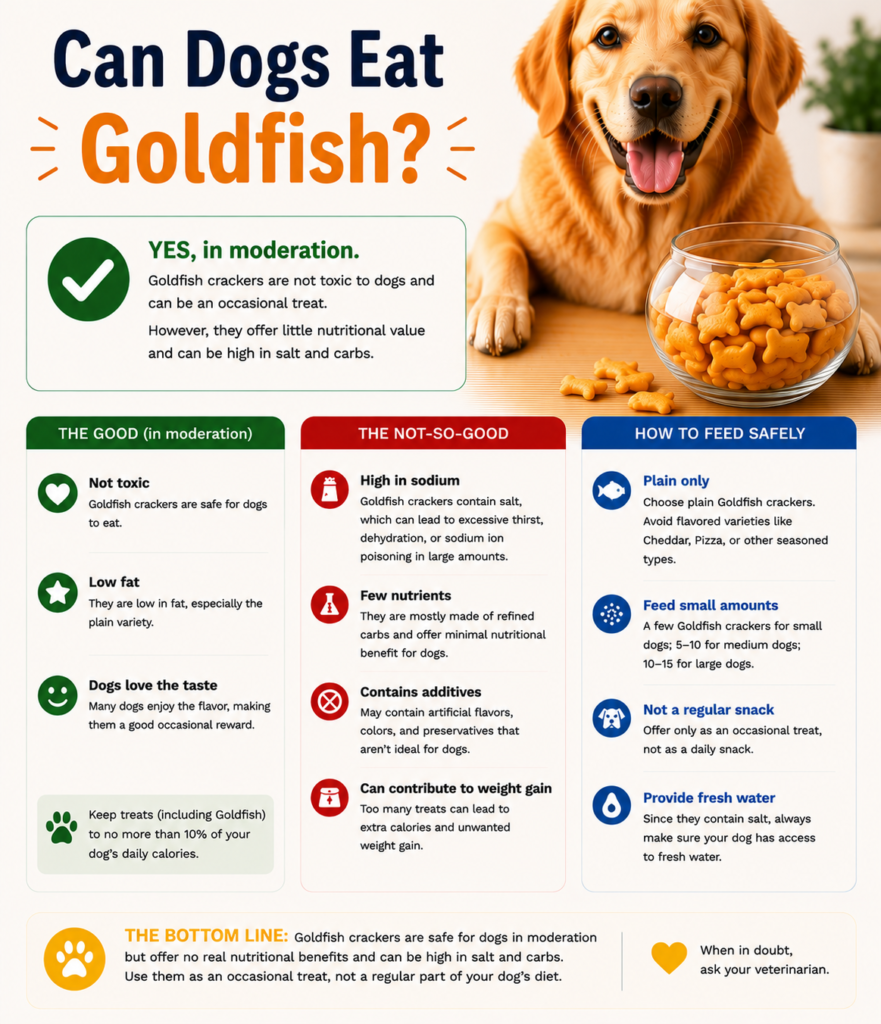
Yes, dogs can eat cooked goldfish fish in moderation if properly prepared. Fish provides protein and healthy nutrients. However, pet goldfish or aquarium fish should never be fed due to potential parasites or contaminants. Always ensure the fish is fully cooked and boneless.
Can Dogs Eat Caramel?
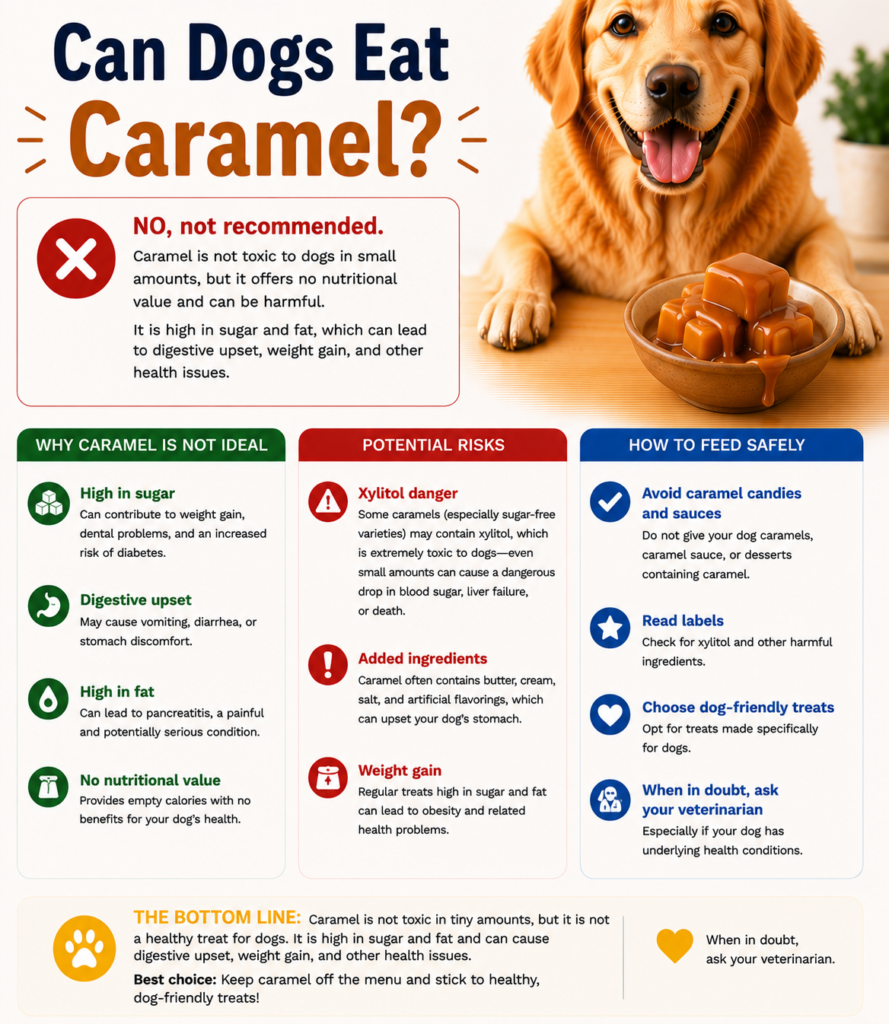
No, caramel is not recommended for dogs. It is extremely high in sugar and offers no nutritional benefits. Excessive sugar can contribute to obesity, dental problems, and digestive upset. Some caramel products may also contain ingredients that are unsafe for dogs.
Can Dogs Eat Lobster?
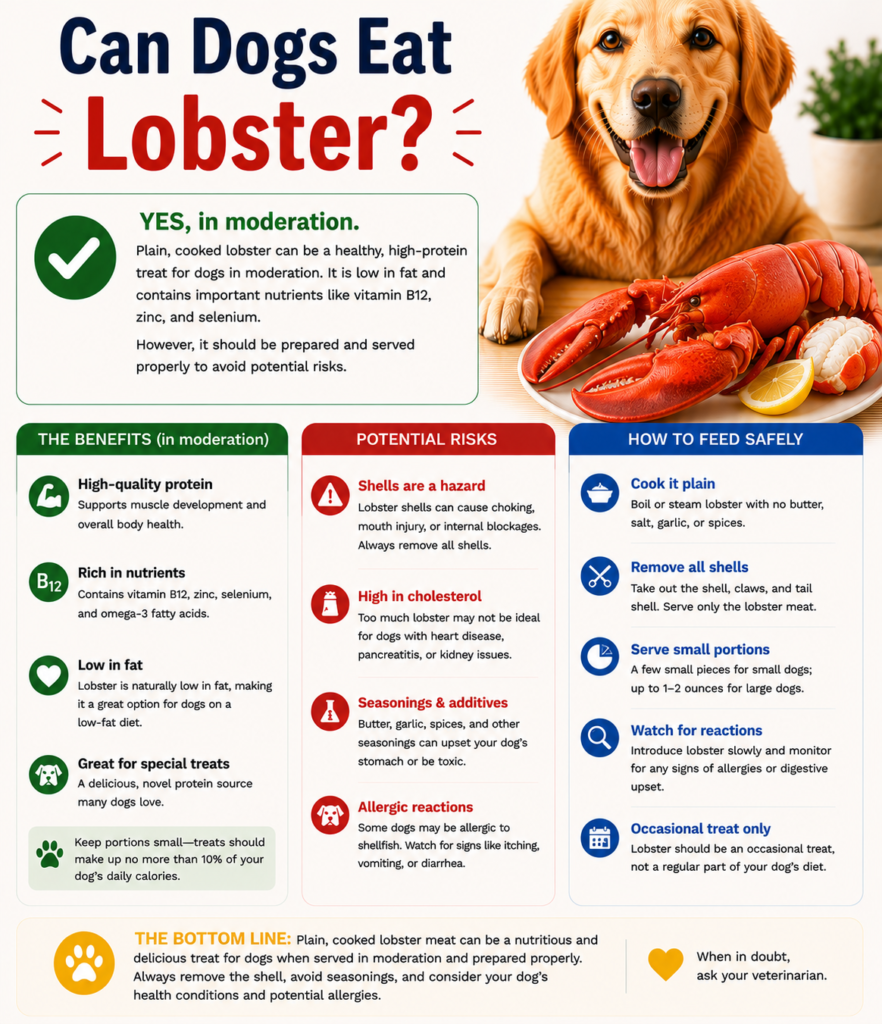
Yes, dogs can eat cooked lobster in moderation. Lobster is rich in protein, vitamins, and minerals. Remove the shell completely and serve only plain cooked meat without butter, garlic, or seasonings. Some dogs may be sensitive to shellfish, so introduce it gradually.
Can Dogs Eat Dried Mango?
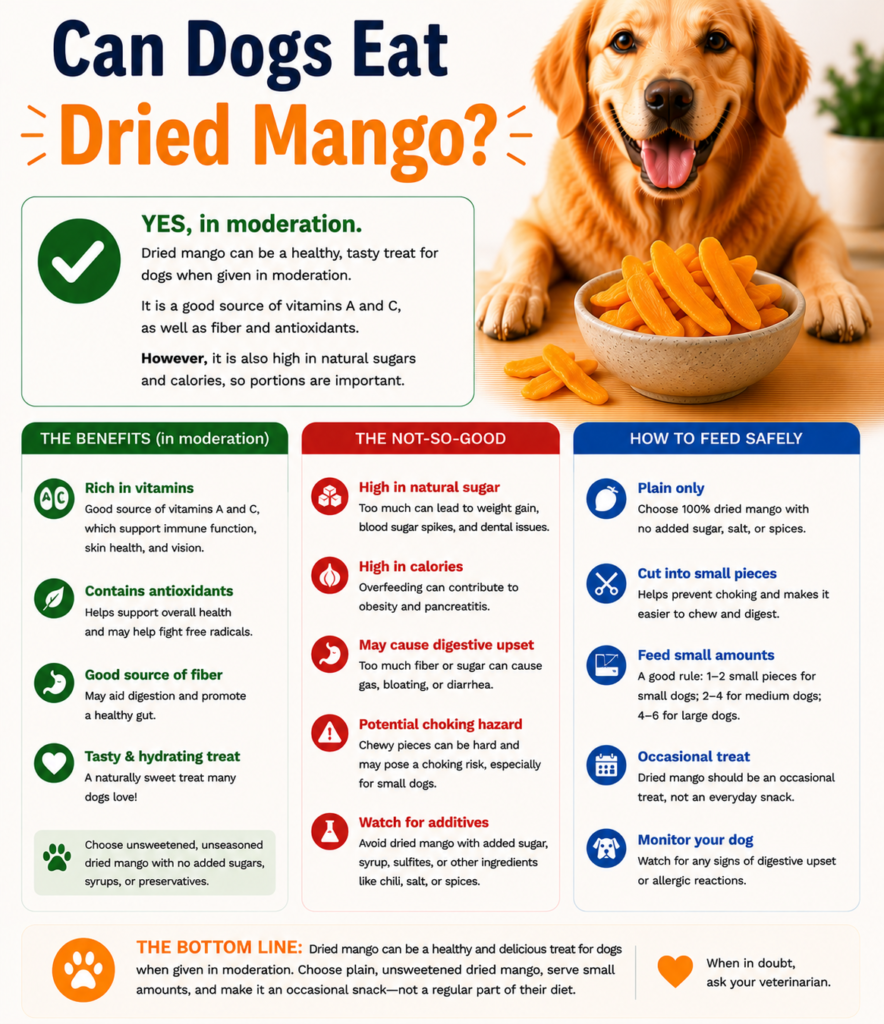
Yes, dogs can eat dried mango in small amounts. Dried mango contains vitamins and fiber, but it is also higher in sugar than fresh mango. Choose unsweetened varieties without preservatives or added sugar, and offer only small portions as an occasional treat.
Can Dogs Eat Dragon Fruit?
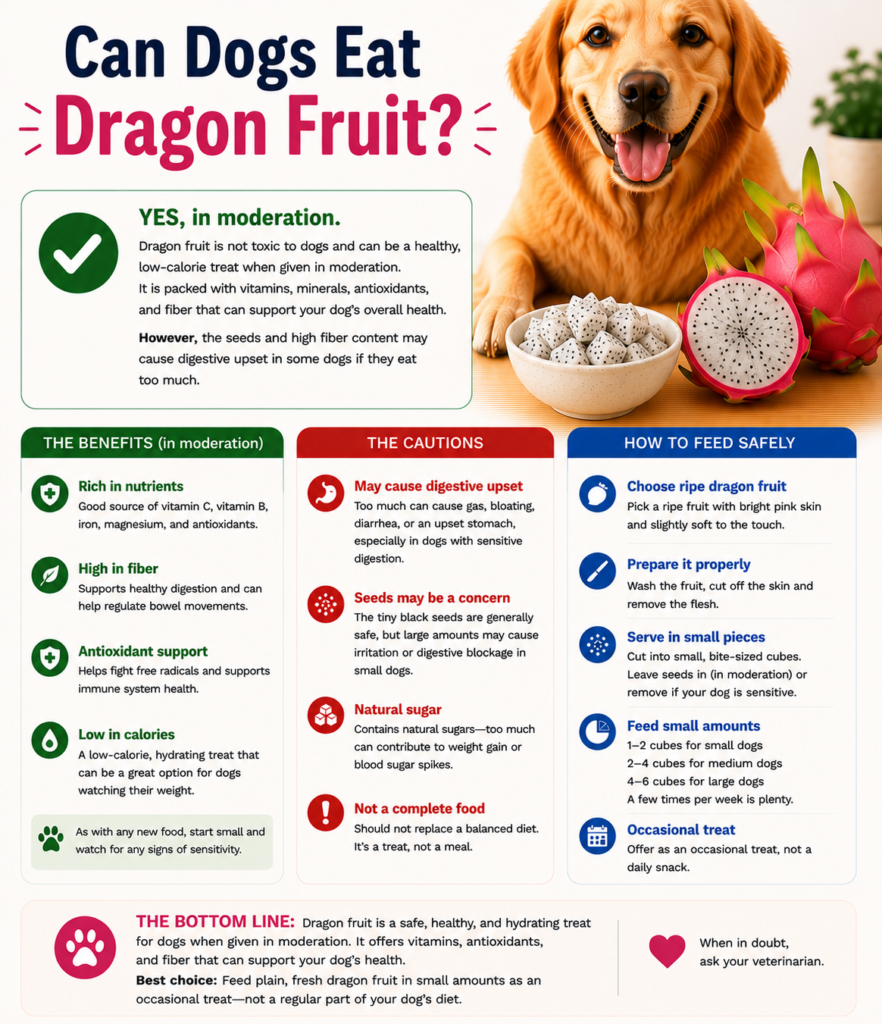
Yes, dogs can eat dragon fruit in moderation. This tropical fruit is rich in fiber, antioxidants, and vitamin C. Remove the thick outer skin before serving, as it can be difficult to digest. Offer small bite-sized pieces as an occasional treat alongside your dog’s regular balanced diet.
Can Dogs Eat Shrimp?
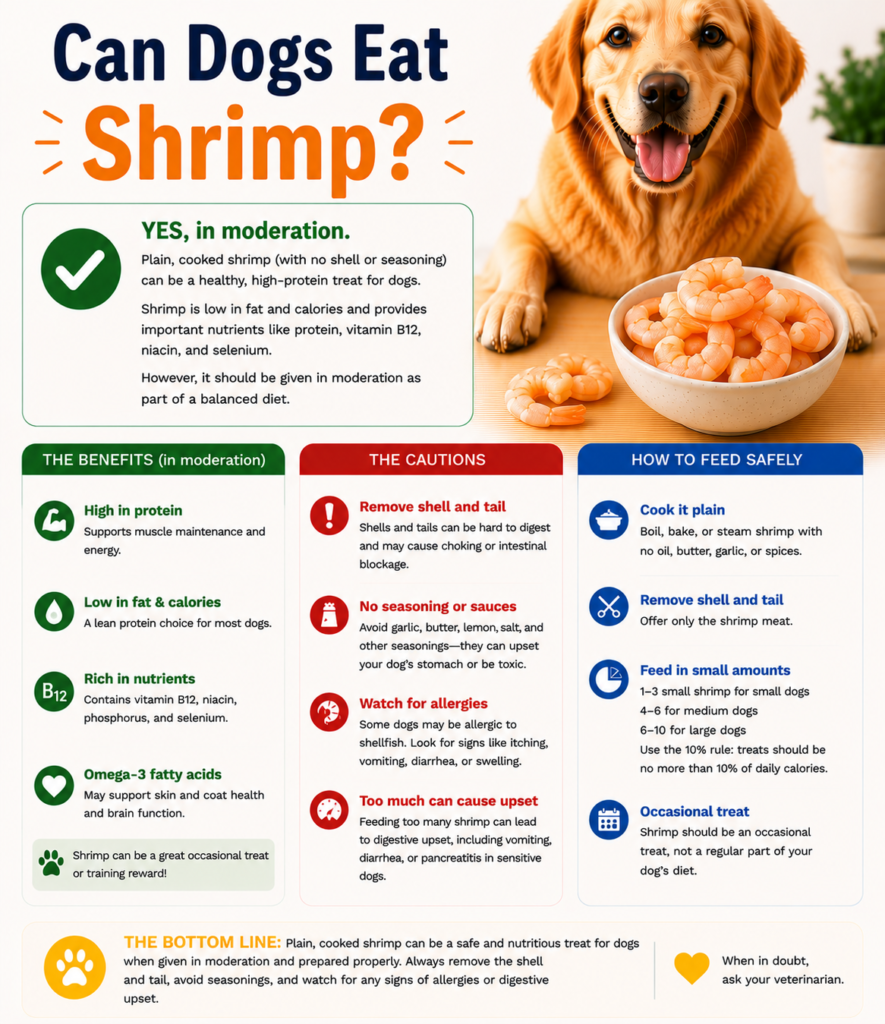
Yes, dogs can eat cooked shrimp in small amounts. Shrimp contains protein, vitamins, and antioxidants that may benefit your dog’s health. However, it should always be fully cooked and served without shells, tails, seasoning, garlic, or butter. Too much shrimp may cause digestive upset in some dogs.
Can Dogs Eat Lettuce?
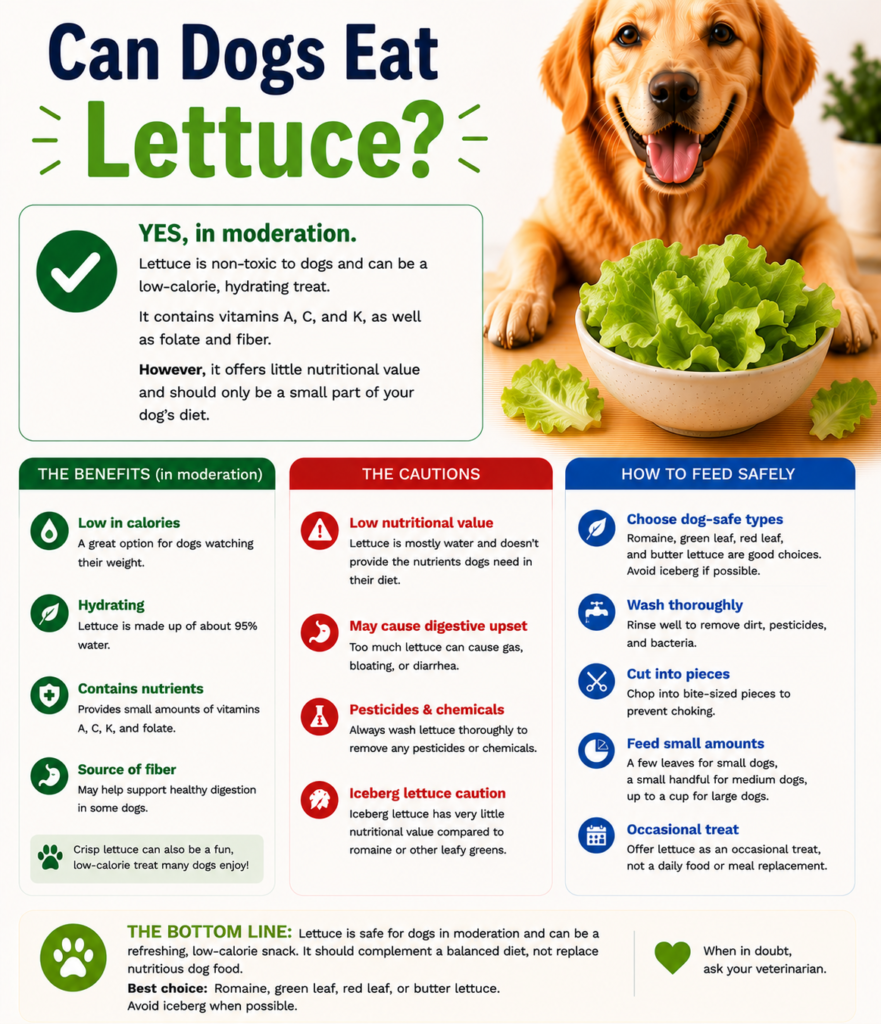
Yes, dogs can safely eat lettuce. Lettuce is low in calories and contains water, fiber, and vitamins that can support hydration. Romaine, iceberg, and leaf lettuce are generally safe choices. Serve it plain and chopped into small pieces to make chewing and digestion easier for your dog.
Can Dogs Eat Cranberries?
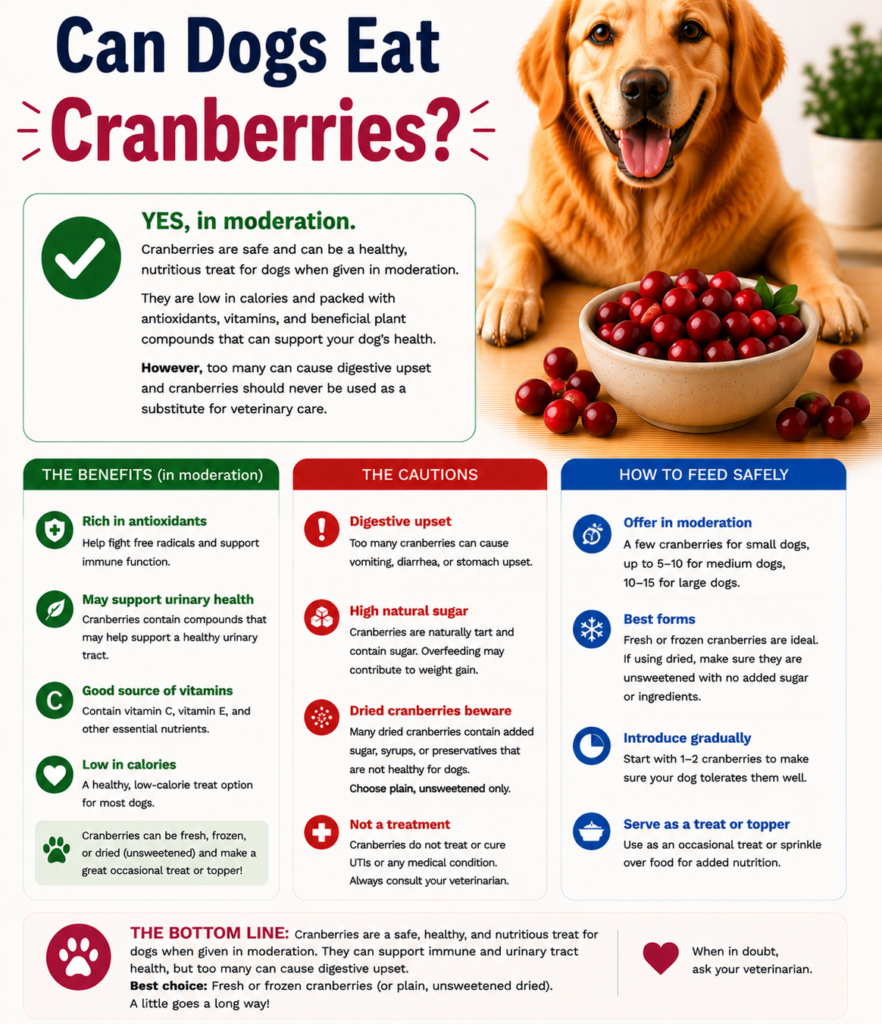
Yes, dogs can eat fresh cranberries in moderation. Cranberries contain antioxidants and nutrients that may support overall health. However, some dogs dislike their tart taste. Avoid cranberry products that contain added sugar, artificial sweeteners, or other ingredients that may be harmful to dogs.
Can Dogs Eat Avocado Oil?
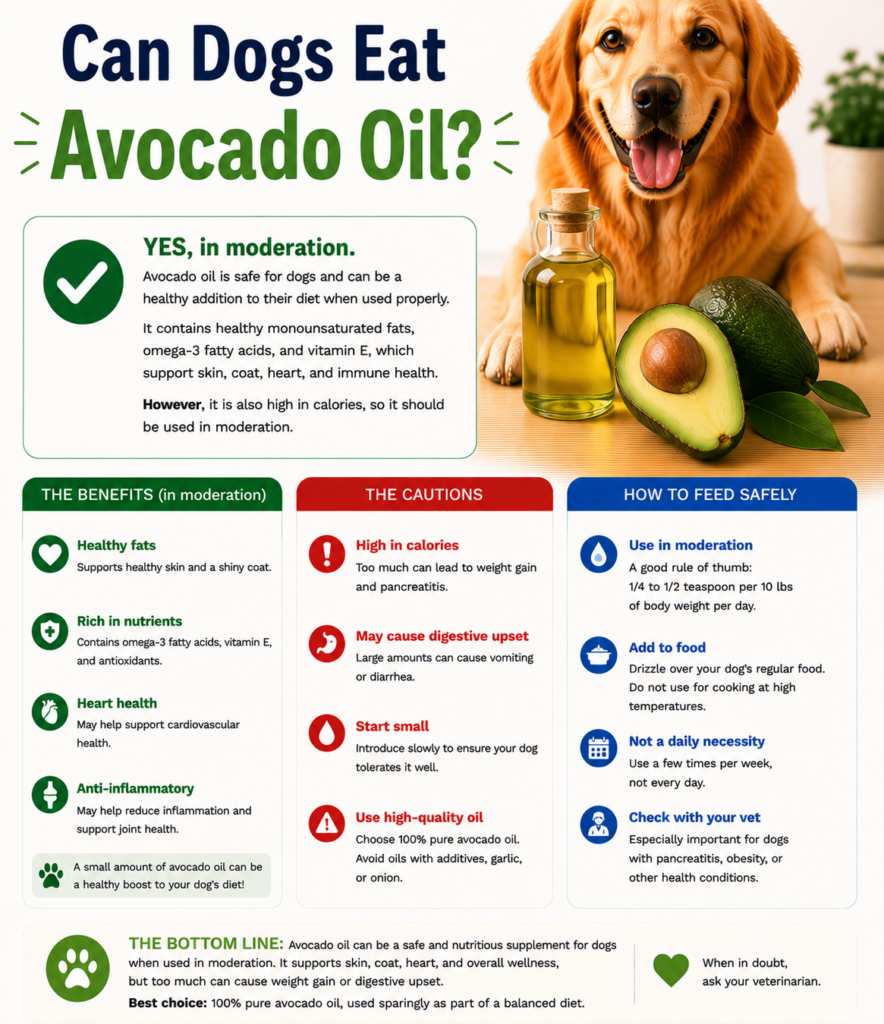
Yes, dogs can have small amounts of avocado oil. It contains healthy fats and antioxidants that may support skin and coat health. However, it is high in calories, so moderation is important. Use plain avocado oil sparingly and avoid products that contain additional ingredients or seasonings.
Can Dogs Eat Jelly Beans?
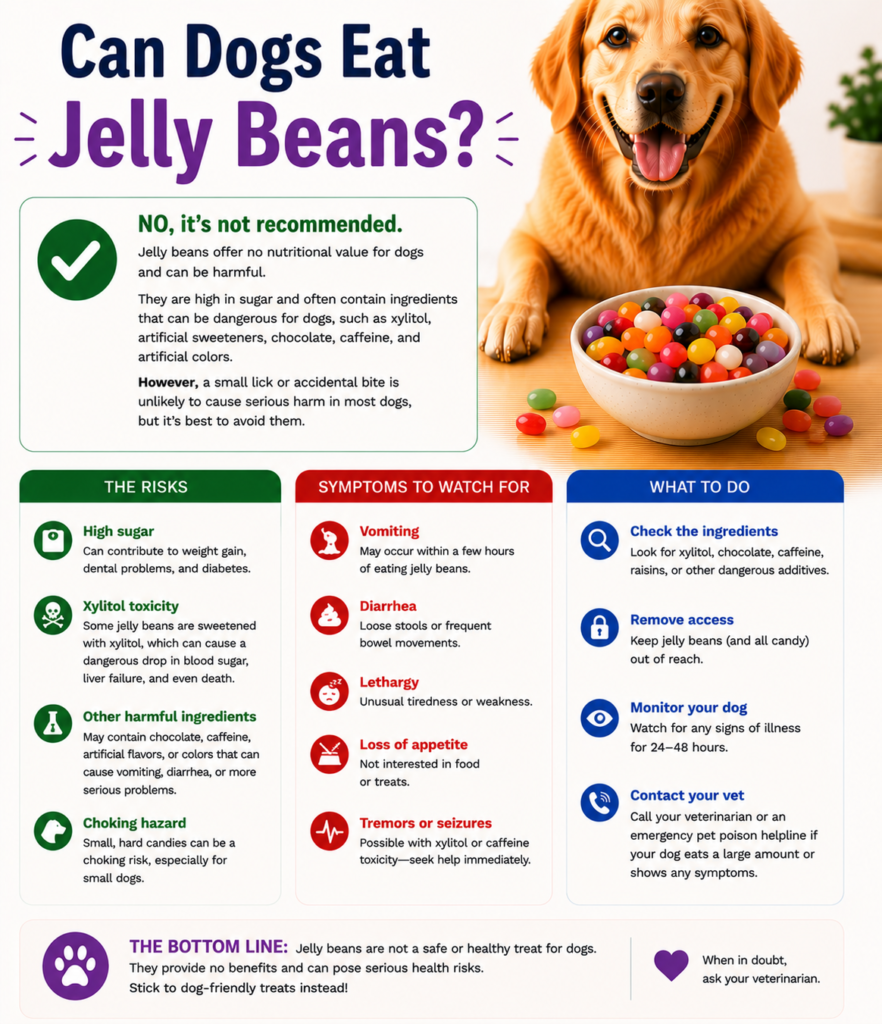
No, jelly beans are not recommended for dogs. They are packed with sugar and artificial ingredients that offer no nutritional value. Some sugar-free jelly beans may contain xylitol, which is extremely toxic to dogs. It is best to keep all candy away from your pet.
Can Dogs Eat Raw Pork?
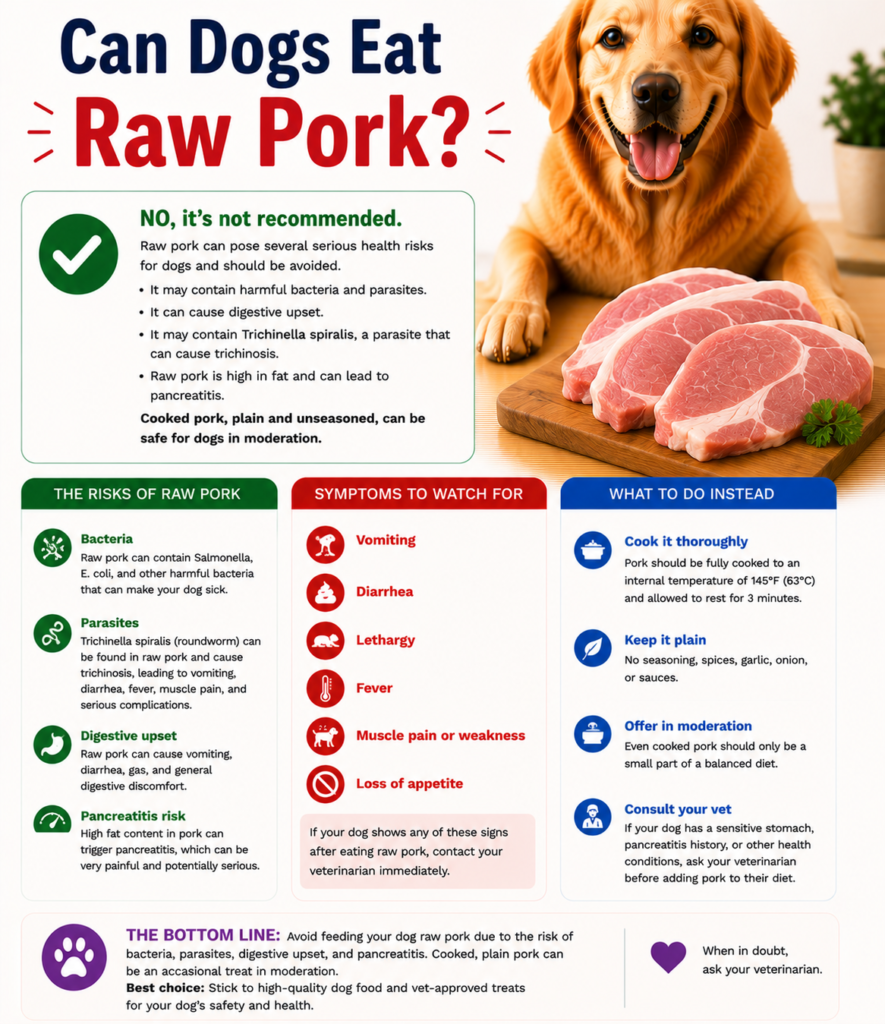
No, dogs should not eat raw pork. Raw pork may contain harmful bacteria or parasites that can cause illness. If you want to feed pork, it should always be fully cooked and served plain without seasonings, sauces, or excessive fat.
Can Dogs Eat Lamb?
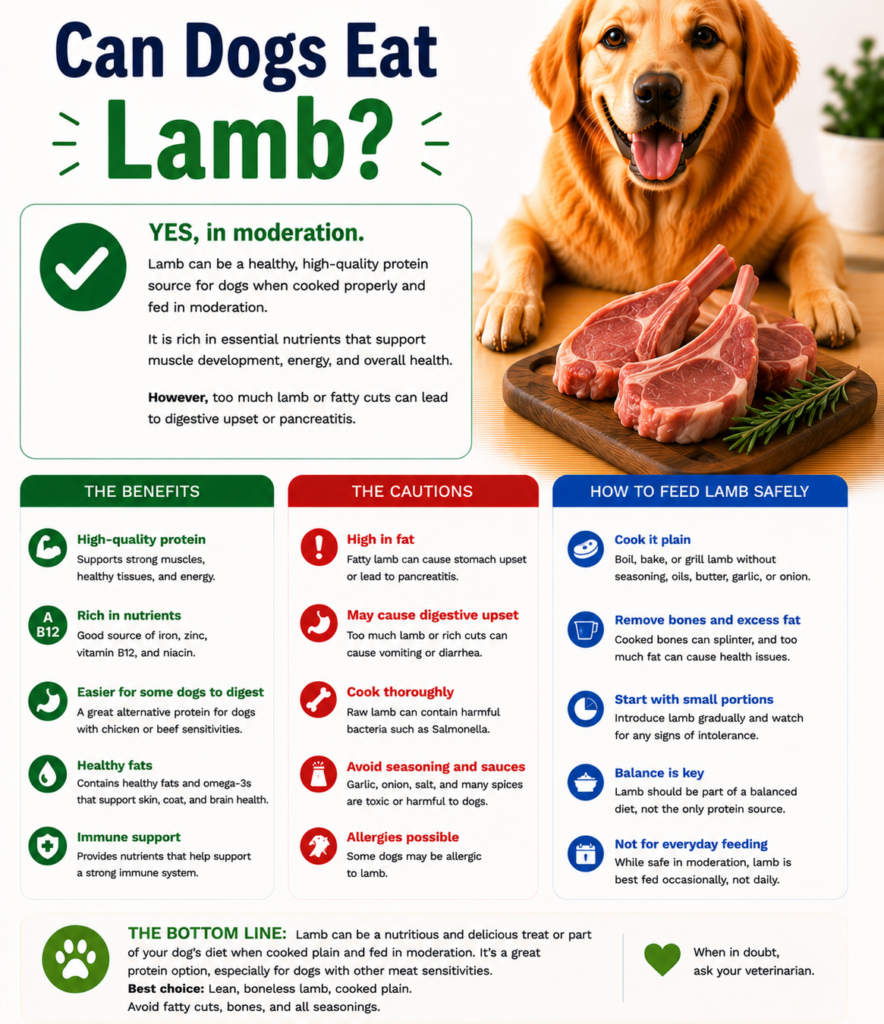
Yes, lamb is a healthy source of protein for dogs. It contains essential amino acids, vitamins, and minerals that support overall health. Cook lamb thoroughly and serve it plain without added salt, garlic, onions, or seasonings. Many dog foods even use lamb as a primary protein.
Can Dogs Eat Pork Rib Bones?
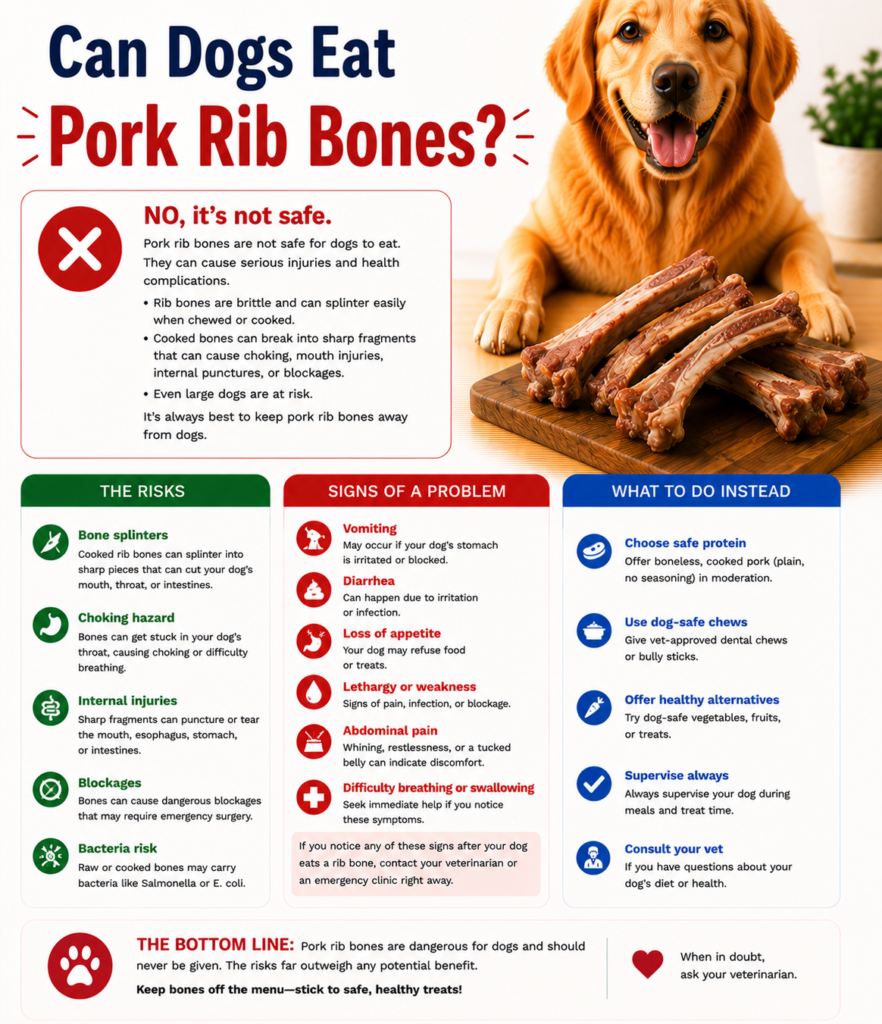
No, pork rib bones are not safe for dogs, especially when cooked. They can splinter easily and cause choking, digestive blockages, or internal injuries. Even raw bones carry risks, so it is generally safer to provide dog-approved chew products instead.
Can Dogs Eat Smoked Salmon?
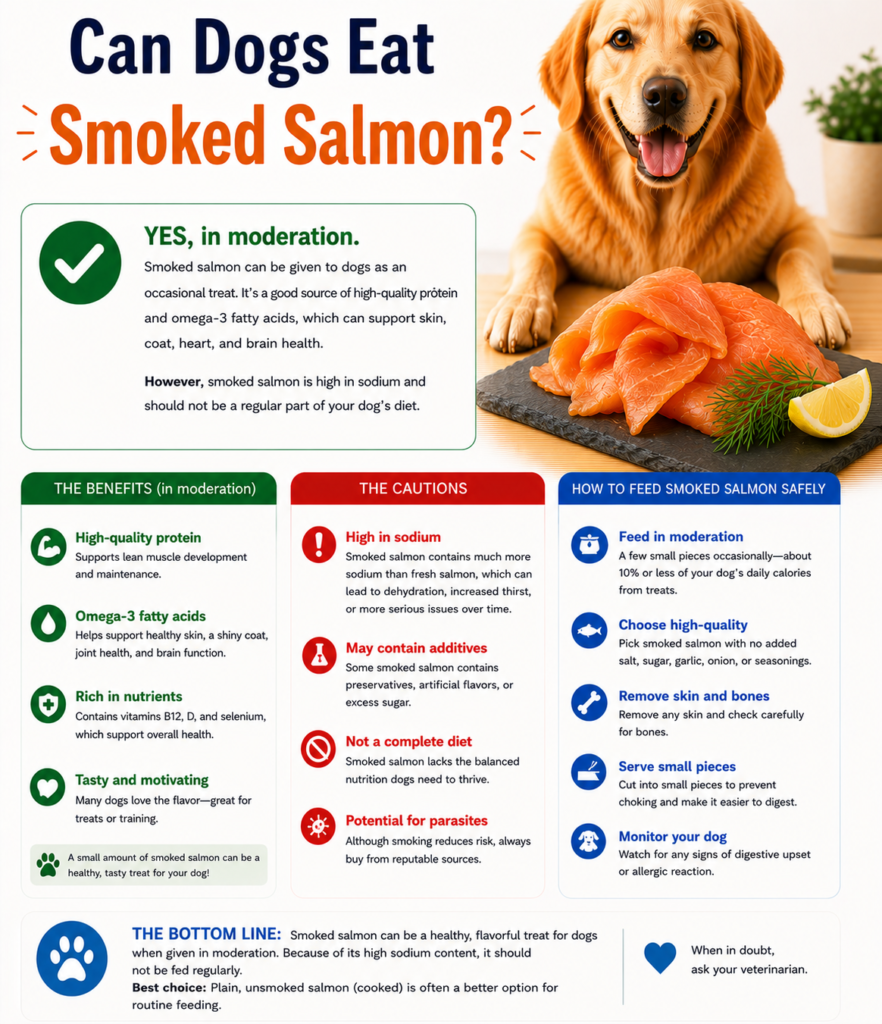
No, smoked salmon is not recommended for dogs. It often contains high levels of sodium and preservatives that can be unhealthy. Plain cooked salmon is a much better option because it provides protein and omega-3 fatty acids without the added salt.
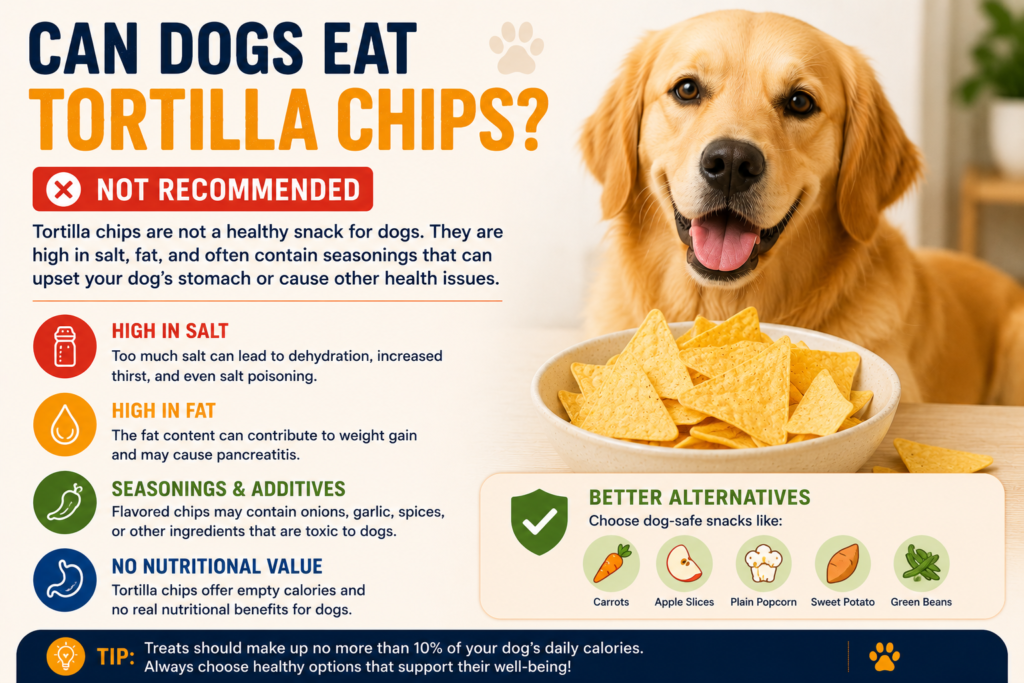
Can Dogs Eat Tortilla Chips?
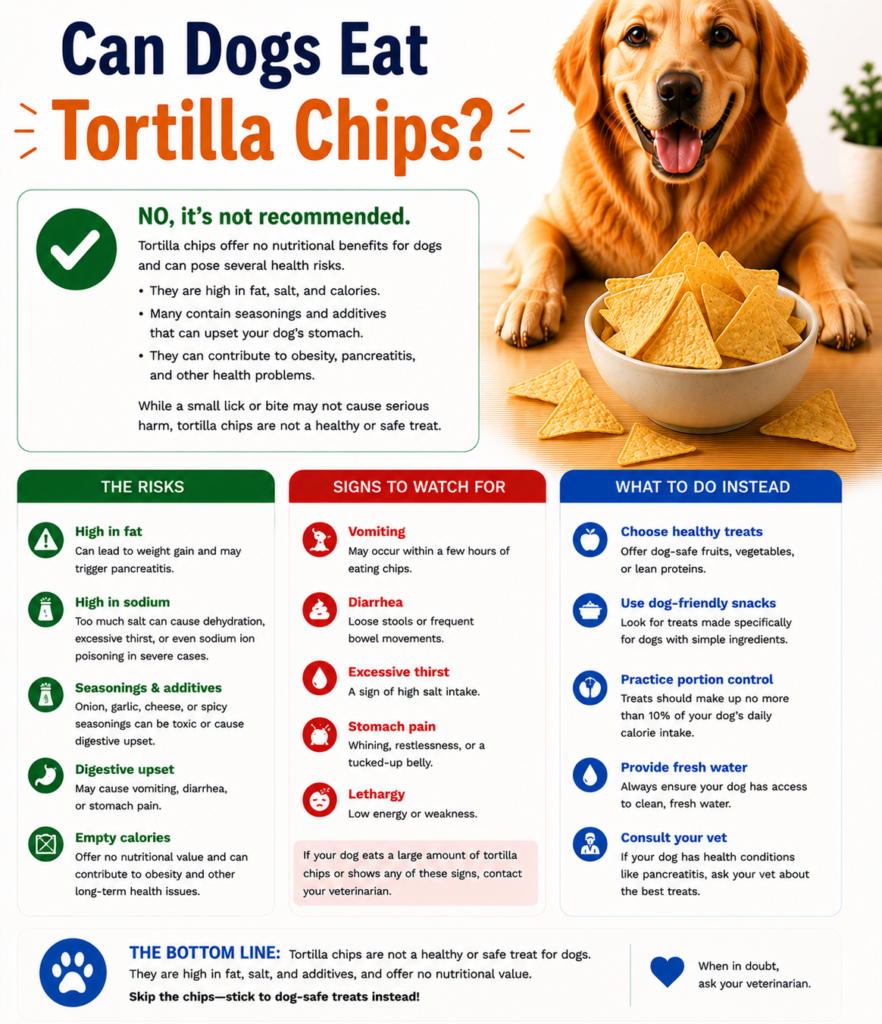
No, tortilla chips are not a healthy snack for dogs. They are usually high in salt, fat, and processed ingredients. Flavored varieties may contain spices or seasonings that can upset your dog’s stomach. Plain cooked corn is a much safer alternative.
Can Dogs Eat Artichokes?
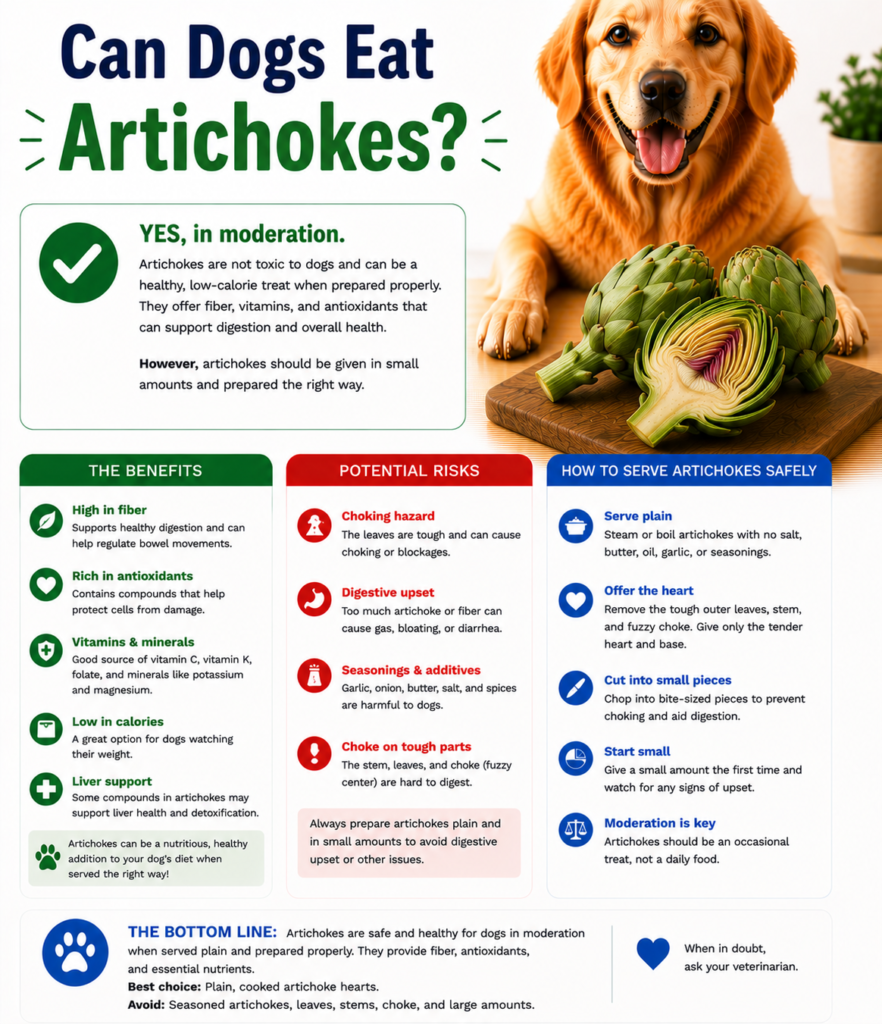
Yes, dogs can eat cooked artichokes in moderation. Artichokes contain fiber, antioxidants, and nutrients that may support digestion and overall health. Serve them plain without butter, garlic, onions, or seasonings. Small portions are best to avoid digestive upset.
Can Dogs Eat Honey Nut Cheerios?
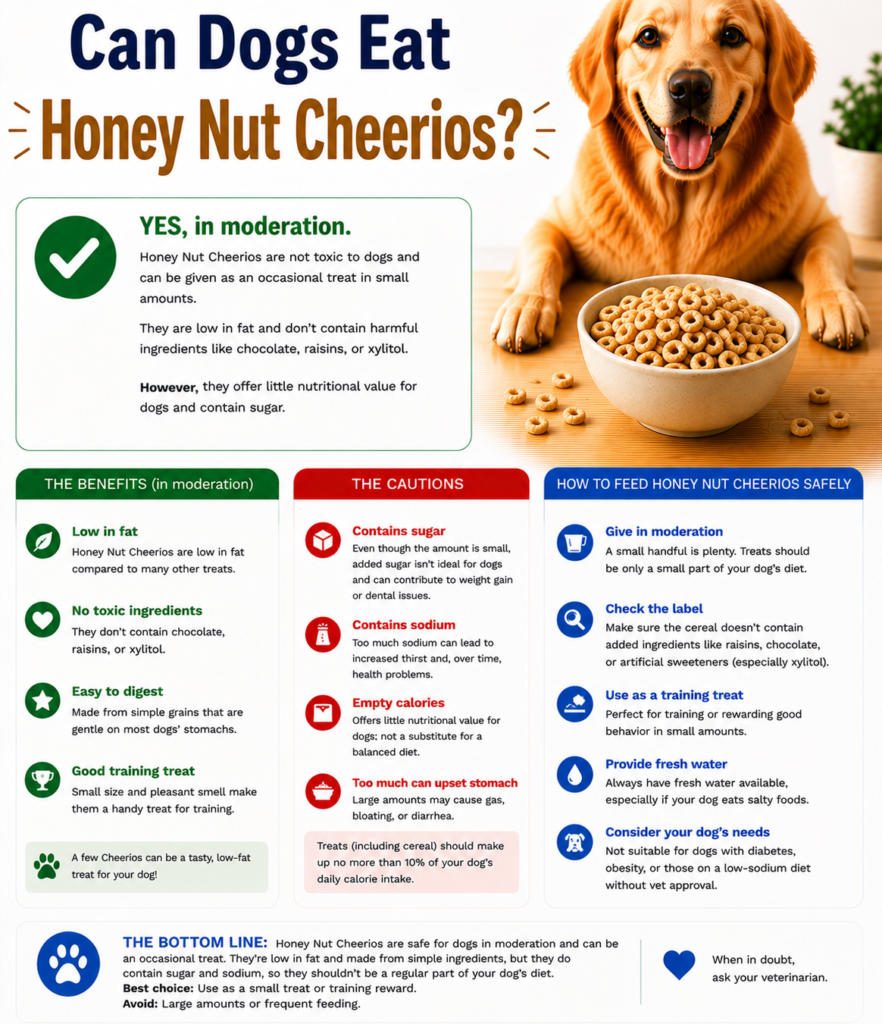
Dogs can eat a few Honey Nut Cheerios occasionally, but they are not an ideal treat. They contain added sugar and processed ingredients that offer little nutritional value. Plain Cheerios are a slightly better option if you need a quick training treat.
Can Dogs Eat Banana Bread?
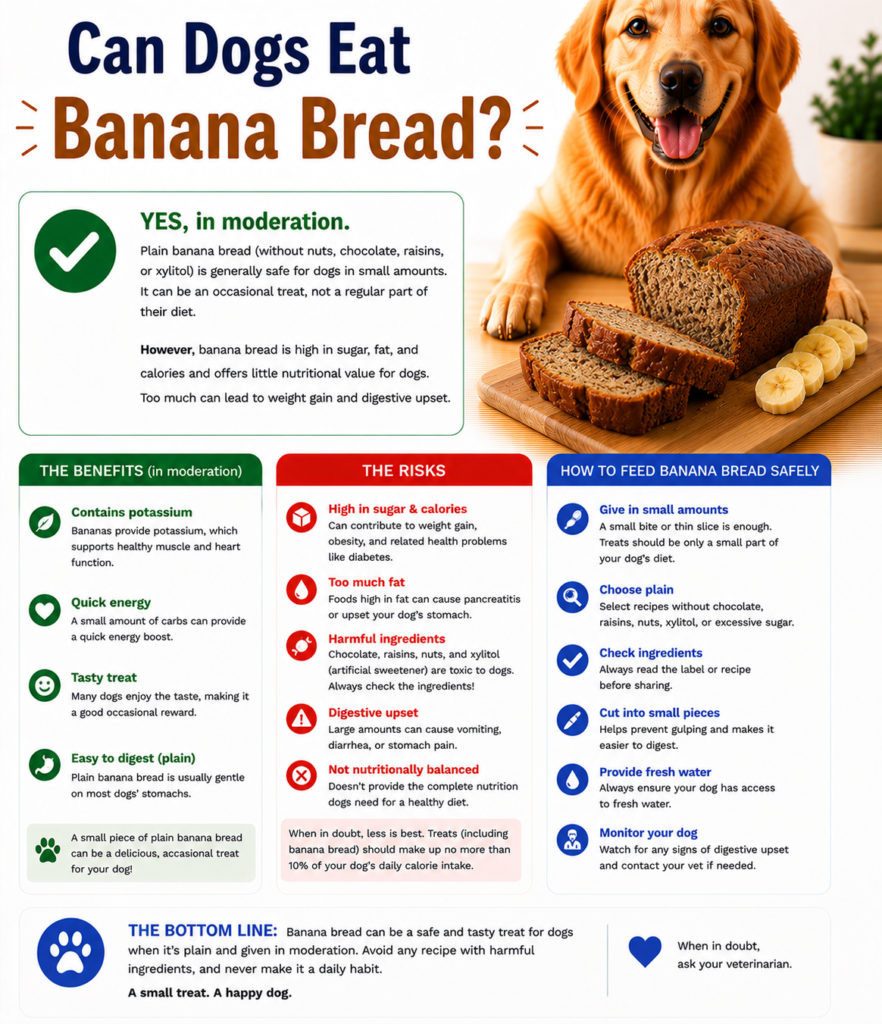
Dogs should generally avoid banana bread. While bananas are safe, banana bread often contains sugar, butter, chocolate, raisins, or artificial sweeteners that may be harmful. Plain banana slices are a much healthier choice for your dog.
Can Dogs Eat Baked Beans?
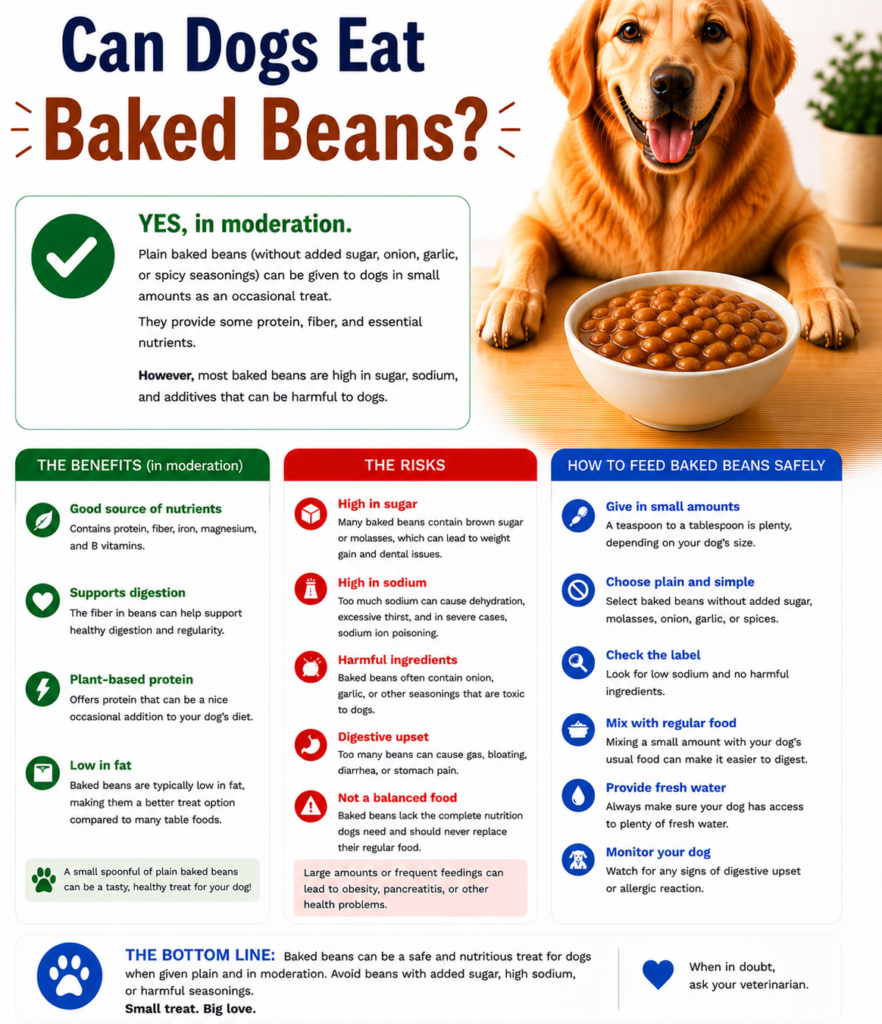
No, baked beans are not recommended for dogs. They usually contain sugar, salt, onions, garlic, and spices that can be harmful. Plain cooked beans are much safer and provide fiber and protein without the unhealthy additives.
Can Dogs Eat Chips?
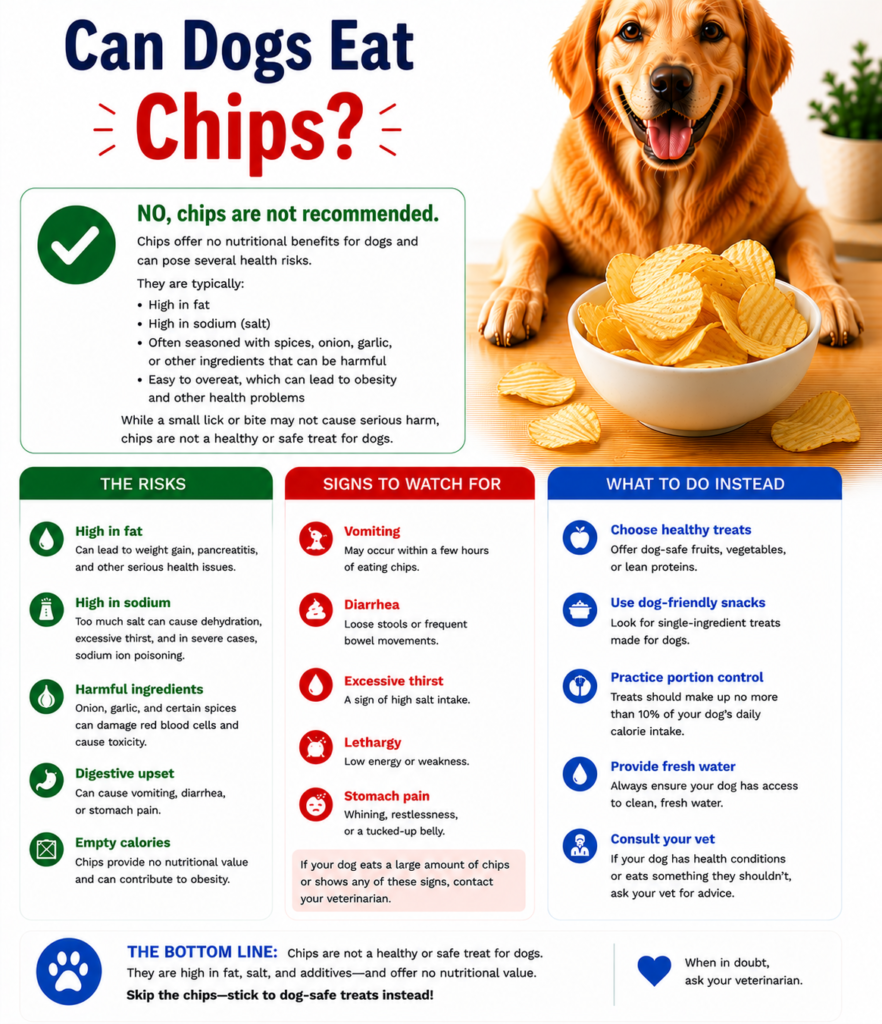
No, chips are not a healthy food for dogs. Most chips contain large amounts of salt, fat, and artificial flavorings that can contribute to weight gain and digestive issues. Healthier snacks like carrots or apple slices are much better choices.
Can Dogs Eat Ranch?
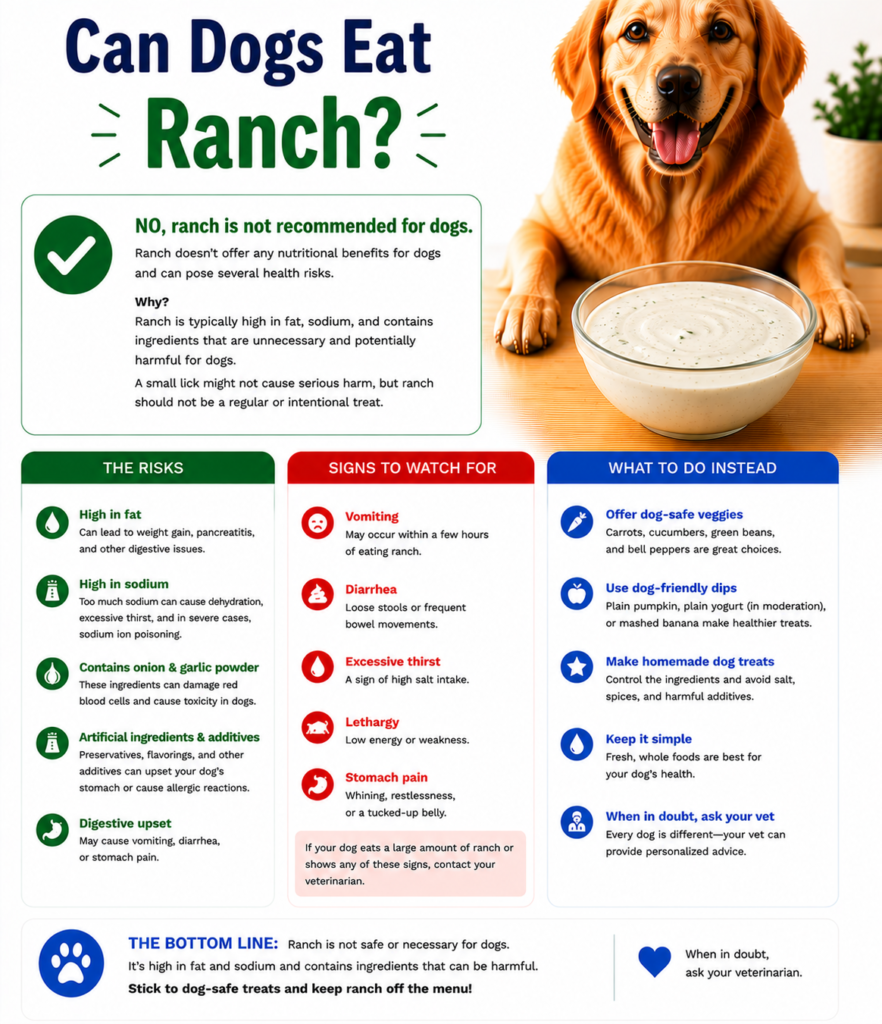
No, ranch dressing is not recommended for dogs. It often contains garlic, onions, dairy products, and seasonings that may upset your dog’s stomach or be toxic. Plain vegetables without dressing are a much safer snack option.
Can Dogs Eat Jackfruit?
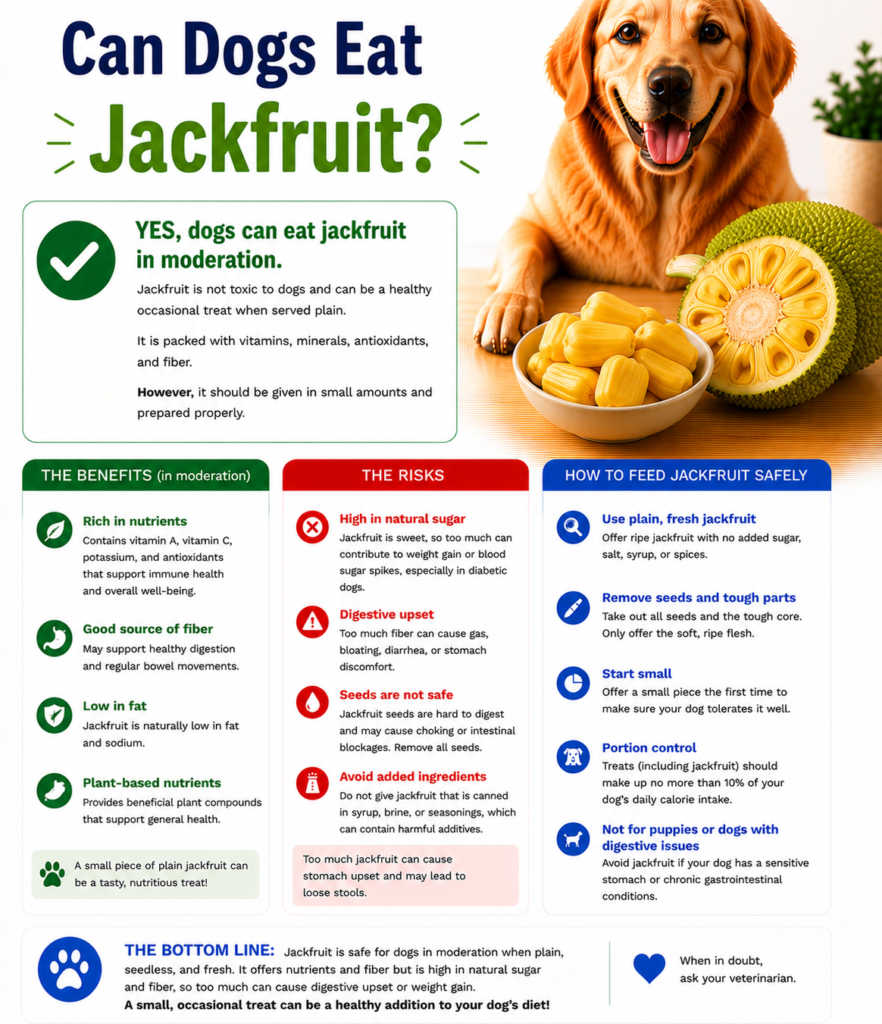
Yes, dogs can eat ripe jackfruit in moderation. The flesh contains fiber, vitamins, and antioxidants that may support health. Remove the seeds and rind before feeding, as they can pose choking hazards or digestive issues. Serve only small amounts as an occasional treat.
Can Dogs Eat Sushi?
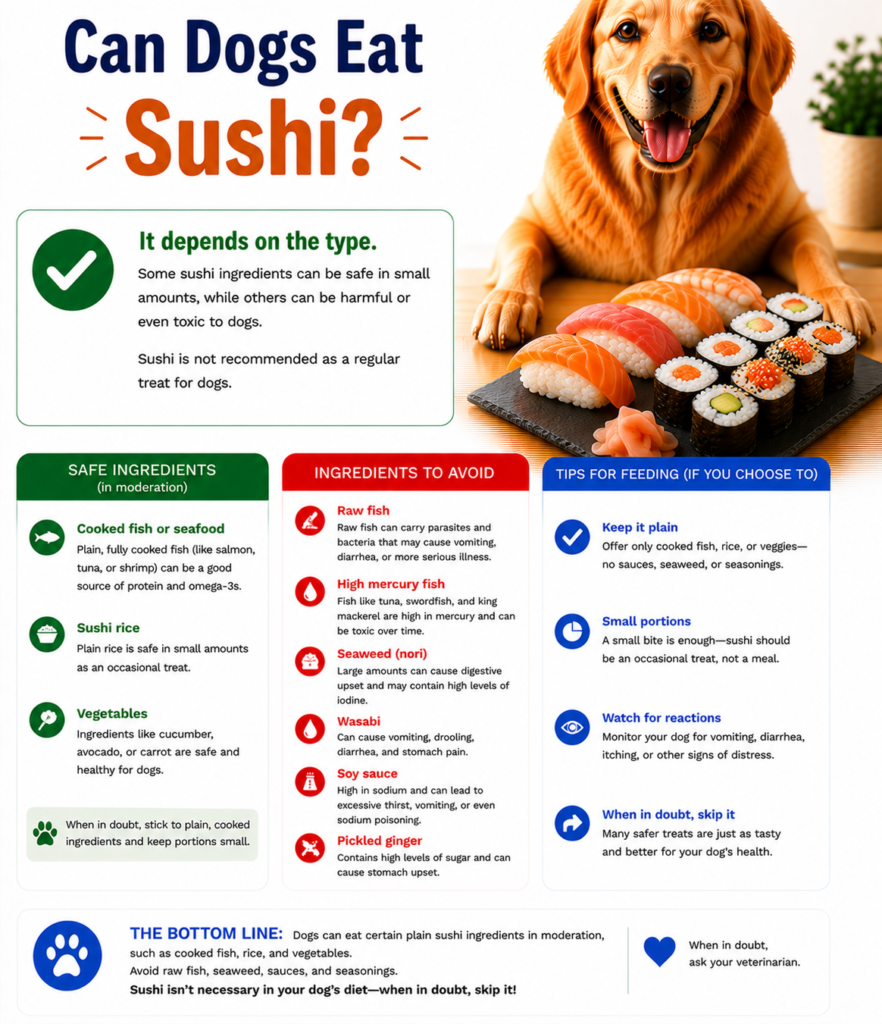
Sushi is generally not recommended for dogs. Raw fish can contain parasites, and sushi often includes ingredients such as sauces, seasonings, or avocado that may not be suitable. Plain cooked fish is a much safer way to share seafood with your dog.
Can Dogs Eat Bok Choy?
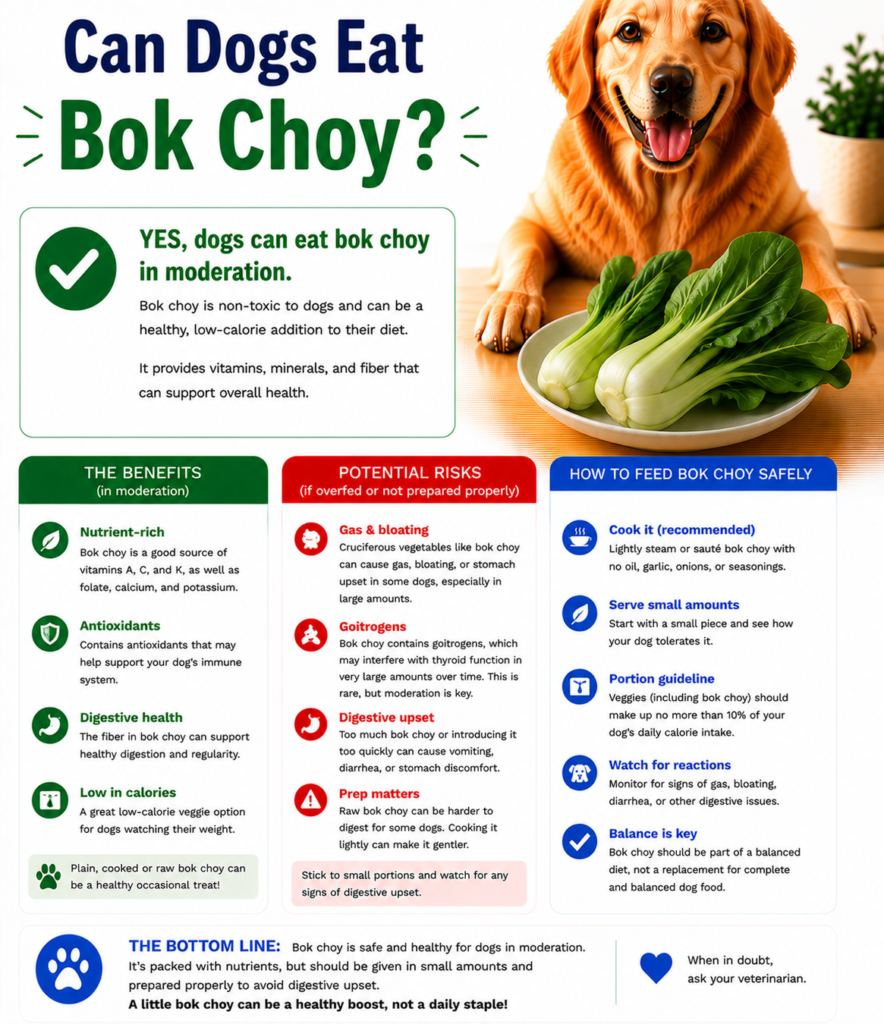
Yes, dogs can eat bok choy in moderation. This leafy vegetable contains vitamins, minerals, and antioxidants that support overall health. Serve it plain, either raw or lightly cooked, without oils, salt, or seasonings for the safest option.
Can Dogs Eat Chicken Nuggets?
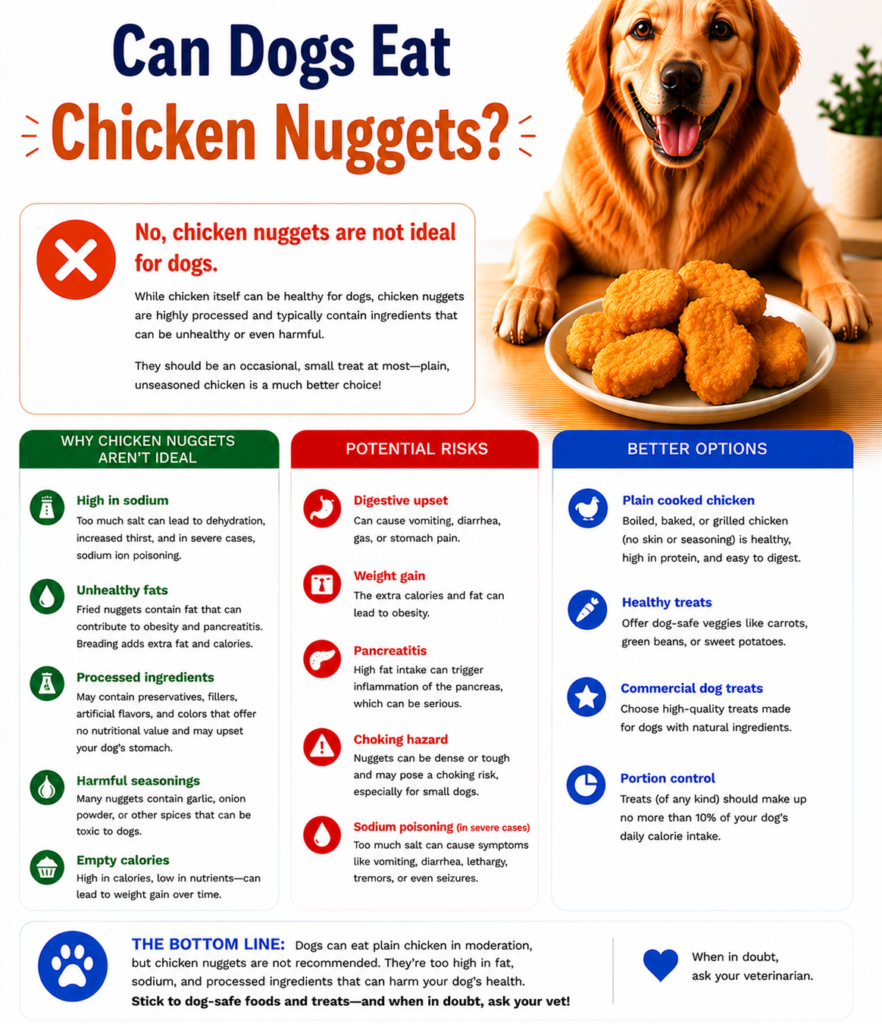
No, chicken nuggets are not a healthy choice for dogs. They are typically breaded, fried, and high in fat, salt, and additives. Plain cooked chicken breast is a much healthier source of protein for your dog.
Can Dogs Eat Bologna?
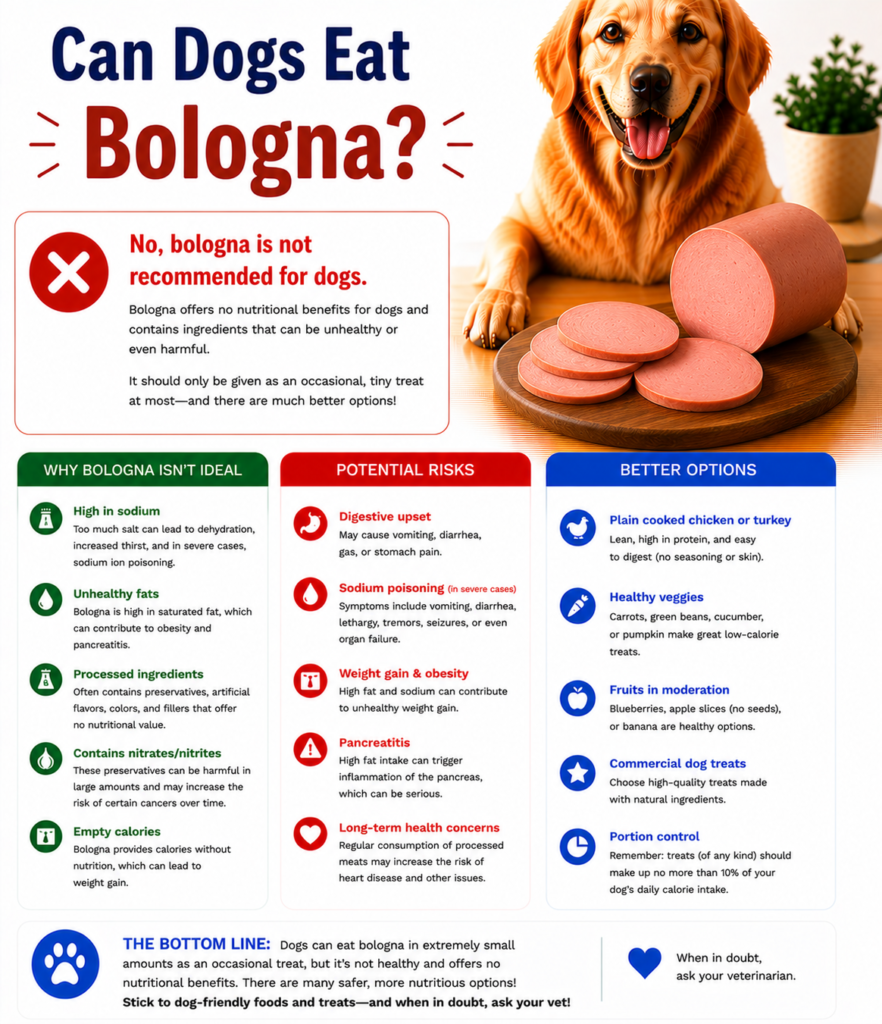
No, bologna is not recommended for dogs. It is highly processed and contains large amounts of sodium, fat, and preservatives. Regular consumption may contribute to obesity and other health issues. Lean meats are a much better alternative.
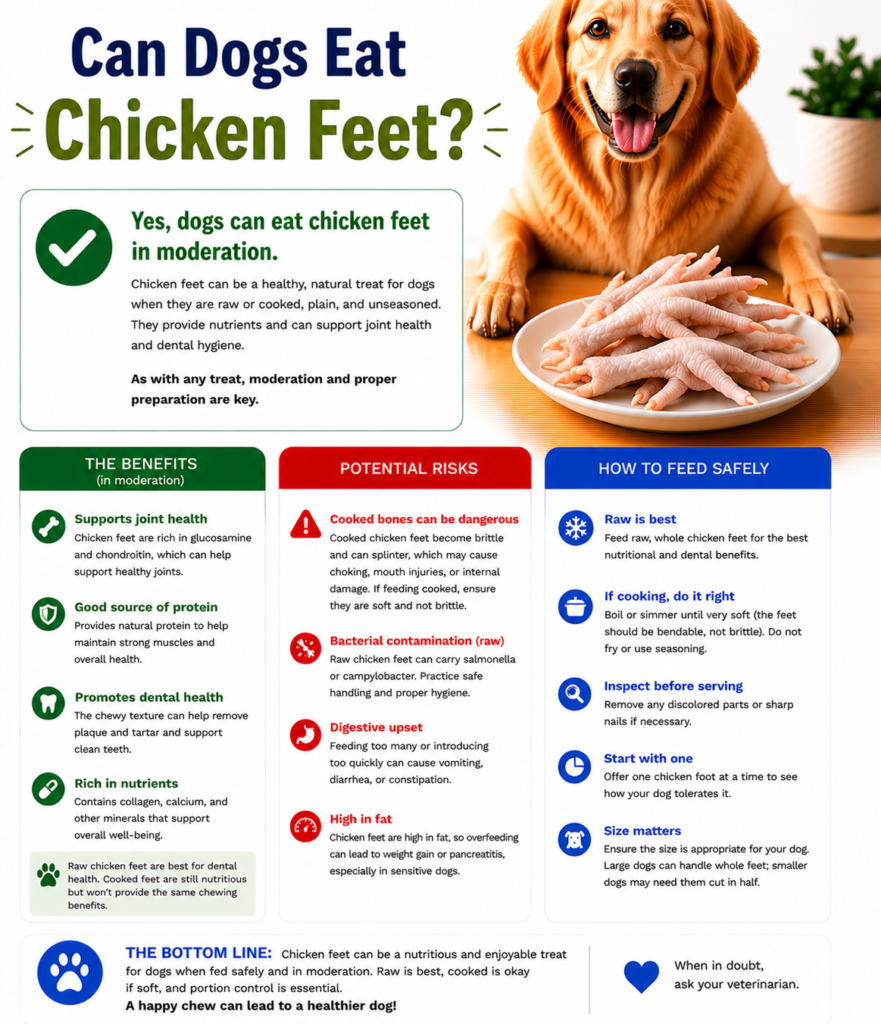
Can Dogs Eat Chicken Feet?
Yes, dogs can eat properly prepared chicken feet. They contain natural glucosamine and chondroitin, which may support joint health. Raw or dehydrated chicken feet are commonly used as dog treats, but cooked chicken feet can splinter and should be avoided.
Can Dogs Eat Raw Cabbage?
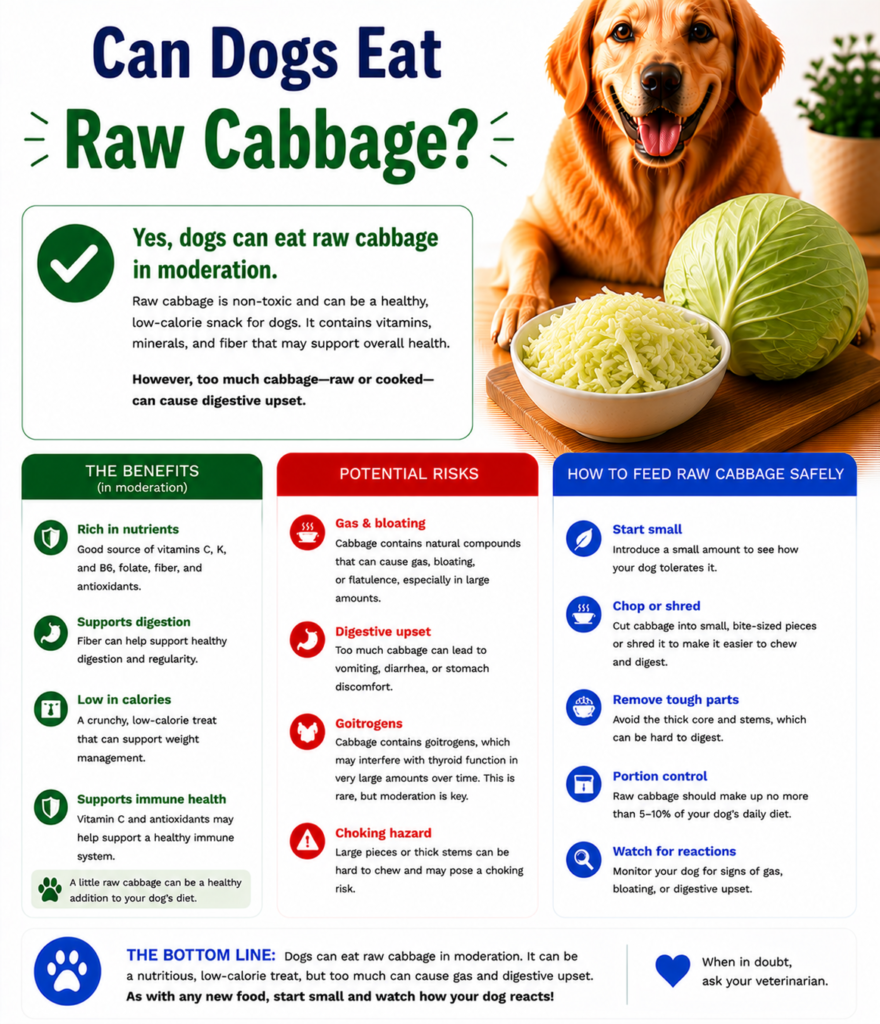
Yes, dogs can eat raw cabbage in moderation. Cabbage provides fiber, vitamins, and antioxidants that may support digestive health. However, too much cabbage can cause gas and stomach discomfort, so it should be offered in small amounts.
Can Dogs Eat Bell Pepper?
Yes, bell peppers are safe and healthy for dogs. They contain vitamins A, C, and antioxidants that support immune health. Red bell peppers are especially nutritious. Serve them raw or cooked without oils, salt, or seasonings.
Can Dogs Eat Hot Cheetos?
No, Hot Cheetos are not safe for dogs. They contain excessive salt, artificial ingredients, and spicy seasonings that can irritate a dog’s digestive system. Even small amounts may cause stomach upset, vomiting, or diarrhea.
Can Dogs Eat Cake?
Dogs should not eat cake regularly. Most cakes contain sugar, butter, and other ingredients that offer no health benefits. Some cakes may contain chocolate, raisins, or artificial sweeteners that are toxic to dogs. Dog-friendly treats are a better option.
Can Dogs Eat String Beans?
Yes, string beans are an excellent snack for dogs. They are low in calories and rich in fiber, vitamins, and minerals. Serve them plain, either raw or cooked, without added salt, butter, or seasonings for a healthy treat.
Can Dogs Eat Wheat Bread?
Yes, dogs can eat plain wheat bread in moderation. Wheat bread is not toxic and can be safely enjoyed as an occasional treat. However, it should not replace a balanced diet, and breads containing raisins, garlic, or other harmful ingredients should be avoided.
Can Dogs Eat Papaya?
Yes, papaya is generally safe for dogs when served properly. This fruit contains fiber, vitamins, and antioxidants that can support digestion. Remove the seeds and peel before feeding, as they can pose a choking hazard. Offer papaya in small portions as an occasional healthy treat.
Can Dogs Eat Cherries?
Cherries are not recommended for dogs. While the fruit flesh itself is not highly toxic, the pits, stems, and leaves contain compounds that can release cyanide. Cherry pits can also cause choking or intestinal blockages. Safer fruit options include blueberries, strawberries, and apples without seeds.
Can Dogs Eat Radishes?
Yes, dogs can eat radishes in moderation. Radishes are not toxic and provide fiber, vitamins, and minerals. Some dogs enjoy their crunchy texture, while others dislike the spicy flavor. Serve fresh radishes in small pieces and avoid pickled varieties, which often contain excess salt and spices.
Can Dogs Eat Cooked Mushrooms?
Yes, dogs can eat plain cooked mushrooms that are safe for humans. Store-bought mushrooms such as white button, portobello, and cremini mushrooms are generally safe. Avoid wild mushrooms, as many varieties are toxic. Serve cooked mushrooms plain without butter, garlic, onions, or seasonings.
Can Dogs Eat Nutella?
No, dogs should not eat Nutella. Nutella contains large amounts of sugar and cocoa, which contains theobromine, a substance that can be toxic to dogs. Even small amounts are not recommended. Dog-safe treats are always a better choice.
Can Dogs Eat Licorice?
No, licorice is not recommended for dogs. It often contains high amounts of sugar and artificial ingredients. Some forms of licorice can also contain compounds that may affect blood pressure and cause health issues if consumed regularly.
Can Dogs Eat Soy Sauce?
No, soy sauce is not safe for dogs. It contains extremely high levels of sodium, which can lead to dehydration and other health problems. Even small amounts offer no nutritional benefits and should be avoided whenever possible.
Can Dogs Eat Fried Fish?
Fried fish is not recommended for dogs. While fish itself can be healthy, frying adds excess fat, oil, and calories that may upset your dog’s stomach. Plain baked, grilled, or steamed fish is a much healthier option.
Can Dogs Eat Spaghetti Squash?
Yes, dogs can eat cooked spaghetti squash. It contains fiber, vitamins, and antioxidants that may support digestion and overall health. Serve it plain without butter, sauces, garlic, onions, or seasonings for the safest option.
Can Dogs Eat Romaine Lettuce?
Yes, dogs can eat romaine lettuce. Romaine is low in calories and contains vitamins, minerals, and water that can help support hydration. Chop it into small pieces and serve it plain to make it easier for your dog to chew and digest.
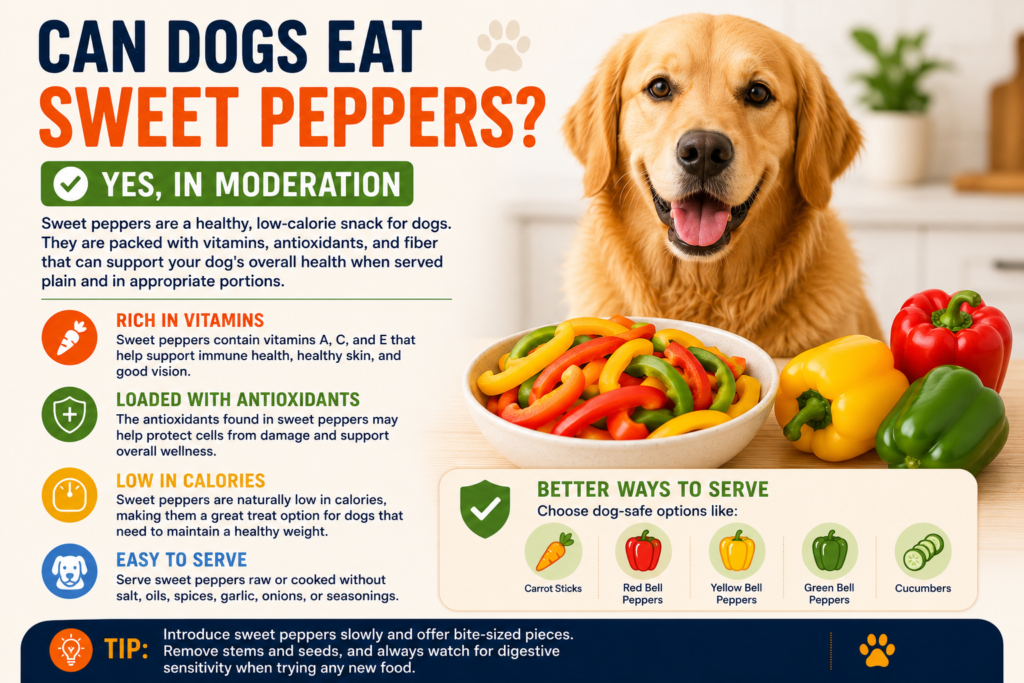
Can Dogs Eat Sweet Peppers?
Yes, sweet peppers are safe and healthy for dogs. They are rich in vitamins A and C, antioxidants, and fiber. Red sweet peppers are especially nutritious. Serve them raw or cooked without oils, salt, or seasonings.
Can Dogs Eat Syrup?
No, syrup is not recommended for dogs. Most syrups contain large amounts of sugar and provide no nutritional value. Some sugar-free syrups may contain xylitol, which is highly toxic to dogs. It is best to avoid syrup completely.
Can Dogs Eat Rice Cakes?
Yes, dogs can eat plain rice cakes in moderation. Rice cakes are low in calories and generally easy to digest. Choose plain, unsalted varieties and avoid flavored rice cakes that may contain harmful seasonings or additives.
Can Dogs Eat Saltine Crackers?
Dogs can eat a few saltine crackers occasionally, but they are not a healthy treat. Saltine crackers contain sodium and processed ingredients with little nutritional value. Fresh fruits and vegetables are much better snack options.
Can Dogs Eat Paprika?
No, paprika is not recommended for dogs. While it is not highly toxic, it can irritate a dog’s digestive system and may cause stomach discomfort. Dogs do not benefit from spices, so paprika should be avoided.
Can Dogs Eat Maple Syrup?
Dogs can have a tiny amount of pure maple syrup occasionally, but it is not recommended. Maple syrup is very high in sugar and offers little nutritional value. Avoid sugar-free versions because they may contain xylitol.
Can Dogs Eat Lime?
No, limes are not recommended for dogs. The fruit is highly acidic and can cause digestive upset. Lime peels and oils contain compounds that may be toxic to dogs. Safer fruit choices include apples, bananas, and blueberries.
Can Dogs Eat Sticks?
No, dogs should not eat sticks. Sticks can splinter and cause injuries to the mouth, throat, stomach, or intestines. If your dog enjoys chewing, provide veterinarian-approved chew toys or natural dog chews instead.
Can Dogs Eat Oregano?
Yes, dogs can eat small amounts of oregano. Oregano contains antioxidants and may offer some health benefits. However, too much can cause digestive upset. It should only be used occasionally and in very small quantities.
Can Dogs Eat Cooked Salmon?
Yes, cooked salmon is an excellent food for dogs. It provides high-quality protein and omega-3 fatty acids that support skin, coat, and overall health. Always serve salmon fully cooked and free from bones, seasonings, and sauces.
Can Dogs Eat Raw Green Beans?
Yes, dogs can eat raw green beans. They are low in calories and rich in fiber, vitamins, and minerals. Raw green beans can make a healthy crunchy snack, but they should be washed thoroughly and served in bite-sized pieces.
Can Dogs Eat Twizzlers?
No, Twizzlers are not a suitable treat for dogs. They contain large amounts of sugar, artificial flavorings, and processed ingredients. While a small piece is unlikely to be toxic, it offers no nutritional benefits and should be avoided.
Can Dogs Eat Skittles?
No, Skittles are not recommended for dogs. They are packed with sugar, artificial colors, and flavorings that offer no health benefits. Regular consumption can contribute to obesity, dental issues, and digestive upset.
Can Dogs Eat Rotisserie Chicken?
Dogs can eat plain rotisserie chicken meat in small amounts, but caution is needed. Rotisserie chicken often contains salt, seasonings, garlic, and onion powder that may be harmful. Remove the skin and bones before offering any meat.
Can Dogs Eat Pesto?
No, pesto is not safe for dogs. Traditional pesto contains garlic, which is toxic to dogs. It may also contain excessive oil, salt, and other ingredients that can upset a dog’s digestive system.
Can Dogs Eat Water Chestnuts?
Yes, dogs can eat water chestnuts. They are low in calories and provide fiber and nutrients. Serve them plain, peeled, and in small pieces. Avoid canned water chestnuts that contain added salt or preservatives.
Can Dogs Eat Apple Sauce?
Yes, dogs can eat plain unsweetened apple sauce in moderation. It contains fiber and vitamins and is easy to digest. Avoid products with added sugar, artificial sweeteners, or flavorings. Small amounts can be a tasty occasional treat.
Can Dogs Eat Clams?
Yes, dogs can eat cooked clams in moderation. Clams provide protein, omega-3 fatty acids, and important minerals. They should always be fully cooked and served plain without butter, garlic, or seasonings.
Can Dogs Eat Hazelnuts?
Hazelnuts are not toxic to dogs, but they are not ideal. They are high in fat and may pose a choking hazard, especially for small dogs. Occasional small amounts may be tolerated, but safer treats are available.
Can Dogs Eat Vanilla?
Plain vanilla extract is not recommended because it often contains alcohol, which can be harmful to dogs. Small amounts of foods flavored with natural vanilla may be safe, but vanilla itself should generally be avoided.
Can Dogs Eat Boiled Potatoes?
Yes, dogs can eat plain boiled potatoes in moderation. Boiled potatoes provide carbohydrates, vitamins, and minerals. Serve them without butter, salt, or seasonings. Avoid green potatoes, as they contain compounds that can be toxic to dogs.
Can Dogs Eat Seaweed?
Yes, plain seaweed can be safe for dogs in small amounts. Seaweed contains minerals, vitamins, and antioxidants that may support health. However, avoid seaweed snacks with added salt, seasonings, or flavorings. Never allow dogs to eat wild seaweed from beaches, as it can expand in the stomach.
Can Dogs Eat Ham?
Ham is not the best choice for dogs. While small amounts of cooked ham are unlikely to cause harm, it contains high levels of salt and fat. Excessive consumption can lead to digestive issues or other health concerns. Lean meats such as chicken or turkey are healthier alternatives.
Can Dogs Eat Cashews?
Yes, dogs can eat unsalted cashews in moderation. Cashews contain healthy fats, protein, and minerals. However, they are calorie-dense, so only offer a few at a time. Avoid salted, flavored, or chocolate-covered cashews, as these ingredients can be harmful to your dog’s health.
Can Dogs Eat Pickles?
Pickles are not recommended for dogs. Although cucumbers are safe, pickles are typically high in sodium and may contain garlic, onions, or spices that are harmful to dogs. Eating too many pickles can contribute to dehydration and digestive discomfort. Fresh cucumbers are a much safer option.
Can Dogs Eat Olives?
Yes, plain olives are generally safe for dogs in moderation. They contain healthy fats and antioxidants. However, olives should be served without pits, as pits can cause choking or digestive blockages. Avoid heavily salted, stuffed, or seasoned olives that may contain ingredients unsuitable for dogs.
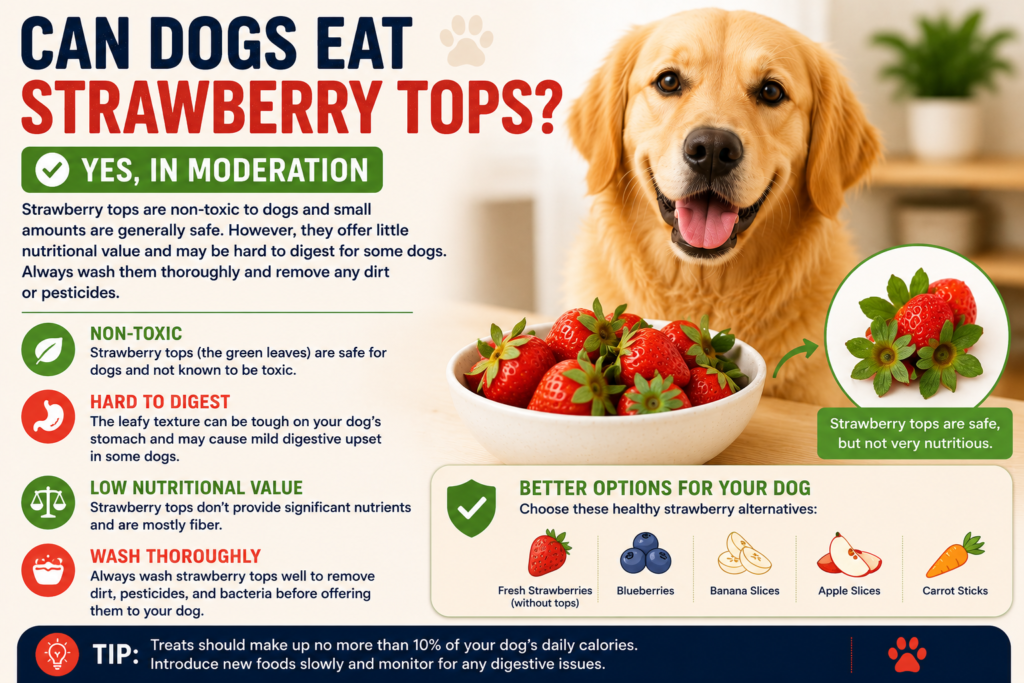
Can Dogs Eat Strawberry Tops?
Yes, dogs can eat strawberry tops in small amounts. The leafy green tops are not toxic and contain fiber and nutrients. However, some dogs may find them difficult to digest. Wash strawberries thoroughly and offer the tops only occasionally as part of a balanced diet.
Can Dogs Eat Chicken Broth?
Yes, dogs can drink plain chicken broth. It can help encourage hydration and make meals more appealing. Choose low-sodium broth without garlic, onions, or artificial additives, as these ingredients can be harmful to dogs.
Can Dogs Eat Chorizo?
No, chorizo is not recommended for dogs. It is highly processed and contains large amounts of fat, salt, garlic, and spices. Eating chorizo can lead to digestive upset and may contribute to long-term health problems.
Can Dogs Eat Calamari?
Yes, dogs can eat plain cooked calamari in moderation. Calamari provides protein and nutrients, but it should be fully cooked and served without breading, oils, garlic, or seasonings. Fried calamari should be avoided.
Can Dogs Eat Bean Sprouts?
Yes, bean sprouts are safe for dogs. They are low in calories and contain vitamins, minerals, and fiber. Serve them fresh and washed thoroughly. Small amounts can make a healthy addition to your dog’s diet.
Can Dogs Eat Slim Jims?
No, Slim Jims are not suitable for dogs. They contain excessive sodium, fat, preservatives, and seasonings that can be harmful. Lean, unprocessed meats are a much healthier alternative for your pet.
Can Dogs Eat Jelly?
Dogs can eat small amounts of jelly, but it is not recommended. Most jelly products are high in sugar and offer little nutritional value. Sugar-free varieties may contain xylitol, which is highly toxic to dogs.
Can Dogs Eat Raw Chicken Bones?
Raw chicken bones are generally less likely to splinter than cooked bones, but they still carry risks such as choking, digestive blockages, and bacterial contamination. Consult your veterinarian before feeding any bones to your dog.
Can Dogs Eat Tums?
Tums may be safe for some dogs in small amounts, but you should never give them without veterinary guidance. Certain ingredients or doses may not be appropriate for every dog. Always consult your veterinarian first.
Can Dogs Eat Garlic Bread?
No, garlic bread is not safe for dogs. Garlic is toxic to dogs and can damage red blood cells. Additionally, garlic bread often contains butter, salt, and oils that can cause digestive problems.
Can Dogs Eat Rye Bread?
Yes, dogs can eat plain rye bread in moderation. Rye bread is not toxic, but it offers limited nutritional benefits. Avoid rye bread that contains raisins, seeds, garlic, or other ingredients that may be harmful.
Can Dogs Eat Cereal?
Some plain cereals are safe for dogs in small amounts. However, many cereals contain sugar, artificial ingredients, chocolate, raisins, or sweeteners that can be harmful. Always check the ingredient list before sharing cereal.
Can Dogs Eat Waffles?
Dogs can eat plain waffles occasionally, but they are not a healthy treat. Waffles are typically high in carbohydrates and may contain sugar. Avoid toppings such as syrup, chocolate, or whipped cream.
Can Dogs Eat Crawfish?
Yes, dogs can eat cooked crawfish in moderation. Crawfish provides protein and minerals. Remove the shell completely and serve the meat plain without butter, garlic, spices, or seasonings.
Can Dogs Eat Cheesecake?
No, cheesecake is not recommended for dogs. It is high in sugar, fat, and dairy, which may cause digestive upset. Some cheesecakes may also contain chocolate or artificial sweeteners that are toxic to dogs.
Can Dogs Eat Prosciutto?
No, prosciutto is not a healthy choice for dogs. It contains extremely high levels of sodium and fat, which can contribute to dehydration, digestive issues, and other health concerns.
Can Dogs Eat Acai?
Acai is not recommended for dogs. Acai berries contain compounds similar to those found in chocolate, which may be harmful to dogs. Safer fruit options include blueberries, strawberries, and bananas.
Can Dogs Eat Chili?
No, dogs should not eat chili. Chili often contains onions, garlic, spices, and peppers that can irritate a dog’s digestive system and may be toxic in some cases.
Can Dogs Eat Octopus?
Yes, dogs can eat plain cooked octopus in moderation. Octopus provides protein and important nutrients. It should be fully cooked and served without oils, seasonings, garlic, or sauces.
Can Dogs Eat Onion Rings?
No, onion rings are dangerous for dogs. Onions are toxic and can damage red blood cells. The fried coating also contains unhealthy fats and seasonings that can cause digestive problems.
Can Dogs Eat White Bread?
Yes, dogs can eat plain white bread in moderation. White bread is not toxic, but it offers little nutritional value. It should only be given occasionally and not as a regular part of the diet.
Can Dogs Eat Radish?
Yes, dogs can eat radishes. They are non-toxic and provide fiber, vitamins, and minerals. Some dogs enjoy their crunchy texture, while others may dislike the slightly spicy taste.
Can Dogs Eat Raw Shrimp?
No, dogs should not eat raw shrimp. Raw shrimp may contain harmful bacteria and parasites that can cause illness. Shrimp should always be fully cooked before feeding it to your dog.
Can Dogs Eat Dried Apricots?
Yes, dogs can eat dried apricots in small amounts. They contain fiber and nutrients, but they are also high in natural sugar. Always remove pits and avoid products with added sugar or preservatives.
Can Dogs Eat Cod?
Yes, cod is an excellent fish option for dogs. It is a lean source of protein and contains beneficial nutrients. Serve cod fully cooked and free from bones, oils, seasonings, and sauces.
Can Dogs Eat Peppermint?
Yes, small amounts of fresh peppermint leaves are generally safe for dogs. However, peppermint candies, gum, and products containing xylitol should never be given, as xylitol is extremely toxic.
Can Dogs Eat Green Olives?
Yes, plain green olives are generally safe for dogs in moderation. Remove the pits before serving and avoid olives that are heavily salted, stuffed, or seasoned with ingredients that may be harmful.
Can Dogs Eat Salad?
Dogs can eat certain salads if they contain dog-safe vegetables such as lettuce, cucumbers, and carrots. Avoid onions, garlic, dressings, croutons, and other ingredients that may be harmful.
Can Dogs Eat Animal Crackers?
Dogs can eat a few plain animal crackers occasionally, but they are not a healthy treat. Animal crackers contain sugar and processed ingredients that offer little nutritional value.
Can Dogs Eat Corn Tortillas?
Yes, dogs can eat plain corn tortillas in moderation. They are not toxic but provide mostly carbohydrates. Avoid tortillas with excessive salt, oils, spices, or fillings.
Can Dogs Eat Turnips?
Yes, dogs can eat turnips. Turnips contain fiber, vitamins, and minerals that may support overall health. They can be served raw or cooked, as long as they are plain and unseasoned.
Can Dogs Eat Vienna Sausages?
No, Vienna sausages are not recommended for dogs. They are highly processed and contain excessive amounts of sodium, fat, and preservatives that can negatively affect your dog’s health.
Can Dogs Eat Chicken Gizzards?
Yes, chicken gizzards are a healthy treat for dogs. They are rich in protein, vitamins, and minerals. Serve them cooked and plain without oils, salt, garlic, or seasonings.
Can Dogs Eat Chicken Skin?
Chicken skin is not recommended for dogs. It is high in fat and can contribute to digestive upset, weight gain, and pancreatitis. Plain skinless chicken is a much healthier choice.
Can Dogs Eat Pecans?
No, pecans are not recommended for dogs. Pecans can contain toxins and are prone to mold growth, which may be dangerous. They are also high in fat and can contribute to digestive problems or pancreatitis. Safer nut options include small amounts of unsalted cashews or peanuts.
Can Dogs Eat Marshmallows?
Marshmallows are not a healthy treat for dogs. They are high in sugar and offer little nutritional value. Some sugar-free marshmallows contain xylitol, an artificial sweetener that is extremely toxic to dogs. If you’re looking for treats, choose dog-friendly fruits or specially formulated dog snacks instead.
Can Dogs Eat Fish?
As fish contains protein, fats, and omega-3 fatty acids, it is highly recommended for dogs. Don’t give raw fish to dogs; it should be cooked properly. Avoid cooking them with any kind of seasoning, onions, or garlic. Also, don’t give fish with bones and high mercury content. Moreover, dogs can also get allergies from fish. Some common symptoms are itching, redness, and vomiting.
Never give raw or uncooked fish to your dogs. Also, serve them boneless fish so that it will not choke or block the digestive tract. Fish is the best meal for dogs who are hypoallergenic or allergic to beef or chicken. Remember to always keep monitoring your dog while introducing new foods.
Can Dogs Eat Cool Whip?
Dogs can eat a small amount of Cool Whip occasionally, but it is not recommended. Cool Whip contains sugar, oils, and processed ingredients that offer little nutritional value. Some varieties may also contain artificial sweeteners that can be harmful to dogs.
Can Dogs Eat Parsnips?
Yes, dogs can eat parsnips. Parsnips are rich in fiber, vitamins, and minerals that support overall health. They can be served raw or cooked, but should always be plain without butter, salt, or seasonings.
Can Dogs Eat Blueberry Muffins?
No, blueberry muffins are not a healthy choice for dogs. While blueberries are safe, muffins often contain sugar, butter, and other ingredients that are unhealthy. Plain blueberries make a much better treat.
Can Dogs Eat Barley?
Yes, dogs can eat cooked barley. Barley contains fiber, vitamins, and minerals that may support digestion and energy levels. Serve it plain and fully cooked without seasonings or sauces.
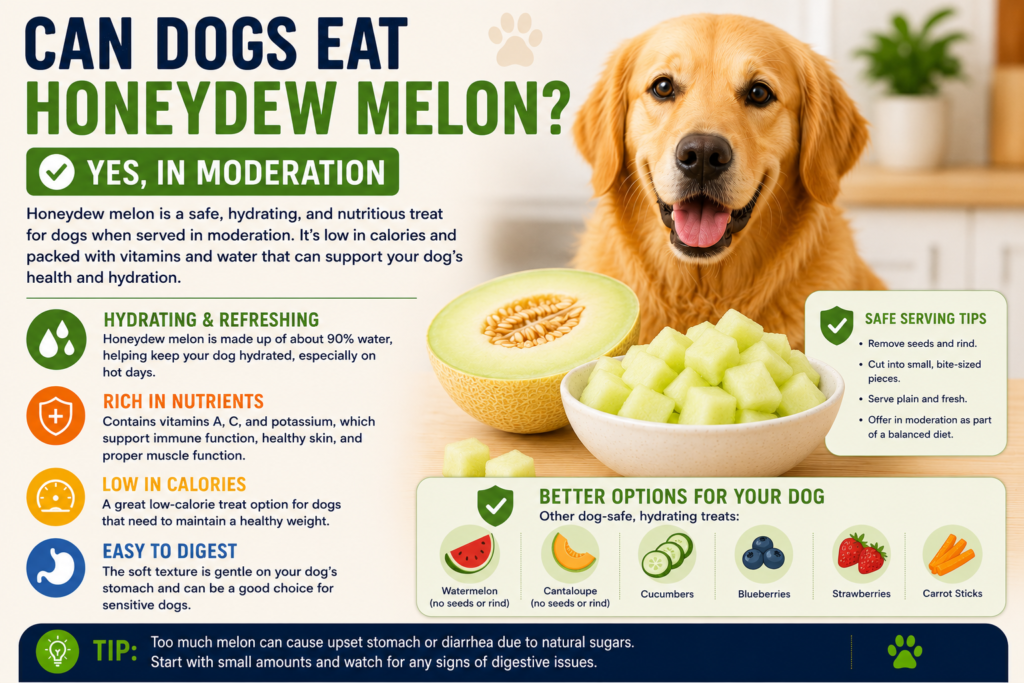
Can Dogs Eat Honeydew Melon?
Yes, honeydew melon is safe for dogs in moderation. It contains vitamins, minerals, and plenty of water, making it a refreshing snack. Remove the seeds and rind before serving.
Can Dogs Eat Rhubarb?
No, rhubarb is toxic to dogs. The leaves contain compounds that can cause serious health problems, including kidney issues. If your dog eats rhubarb, contact your veterinarian immediately.
Can Dogs Eat Flour?
Yes, plain flour itself is generally not toxic to dogs. However, it offers no nutritional benefits and should not be fed directly. Raw dough containing flour and yeast is dangerous and should never be given to dogs.
Can Dogs Eat Kiwis?
Yes, dogs can eat kiwi in moderation. Kiwi contains fiber, vitamin C, and antioxidants. Remove the skin and serve small pieces to reduce choking risks and aid digestion.
Can Dogs Eat Raspberries?
Yes, dogs can eat raspberries in small amounts. They contain antioxidants and fiber, making them a healthy occasional treat. However, they also contain small amounts of natural xylitol, so moderation is important.
Can Dogs Eat Oranges or Tangerines?
Yes, dogs can eat oranges and tangerines in moderation. These fruits provide vitamin C and fiber. Remove the peel and seeds before serving, and only offer small amounts because of the natural sugar content.
Can Dogs Eat Corned Beef?
No, corned beef is not recommended for dogs. It is extremely high in sodium and often contains seasonings that can be harmful. Lean, unseasoned meats are much healthier options.
Can Dogs Eat Biscuits?
Some plain biscuits are safe in small amounts, but many contain sugar, salt, and processed ingredients. Dog-specific biscuits are a much better option than human biscuits.
Can Dogs Eat Goat Cheese?
Yes, dogs can eat small amounts of goat cheese. Goat cheese is often easier to digest than some other dairy products. However, it is still high in fat and should only be offered occasionally.
Can Dogs Eat Hash Browns?
No, hash browns are not recommended for dogs. They are often fried and contain salt, oils, and seasonings that can upset a dog’s stomach. Plain cooked potatoes are a healthier choice.
Can Dogs Eat Cactus?
Some cactus varieties, such as nopales (prickly pear cactus pads), are safe for dogs when properly prepared. However, many cactus plants have spines that can cause injury. Always identify the cactus before feeding it.
Can Dogs Eat Ramen Noodles?
Dogs can eat plain cooked ramen noodles occasionally, but they are not healthy. Ramen seasoning packets contain extremely high amounts of sodium and should never be given to dogs.
Can Dogs Eat Basmati Rice?
Yes, dogs can eat plain cooked basmati rice. It is easy to digest and can provide energy. Serve it without butter, salt, or seasonings, especially if your dog has an upset stomach.
Can Dogs Eat Fish Skin?
Yes, dogs can eat cooked fish skin in moderation. Fish skin contains omega-3 fatty acids that support skin and coat health. It should be cooked and served plain without seasonings or oils.
Can Dogs Eat Chicken Liver?
Yes, chicken liver is very nutritious for dogs. It contains protein, iron, and vitamins that support overall health. However, it should be fed in moderation because excessive amounts may lead to vitamin A overload.
Can Dogs Eat Squid?
Yes, dogs can eat cooked squid in moderation. Squid provides protein and minerals. It should be served plain and fully cooked without breading, butter, garlic, or seasonings.
Can Dogs Eat Fried Chicken?
No, fried chicken is not recommended for dogs. It contains unhealthy fats, oils, breading, and seasonings that can cause digestive upset and contribute to obesity.
Can Dogs Eat Flour Tortillas?
Yes, dogs can eat plain flour tortillas in moderation. They are not toxic but offer little nutritional value. Avoid tortillas with excessive salt, spices, or fillings.
Can Dogs Eat Takis?
No, Takis are not safe for dogs. They contain excessive salt, spices, artificial ingredients, and oils that can irritate a dog’s digestive system and cause stomach problems.
Can Dogs Eat Cotton Candy?
No, cotton candy is not recommended for dogs. It is almost entirely sugar and provides no nutritional value. Some sugar-free varieties may contain xylitol, which is highly toxic to dogs.
Can Dogs Eat Cooked Shrimp?
Yes, dogs can eat cooked shrimp in moderation. Shrimp is a good source of protein and antioxidants. Always remove the shell and serve it plain without butter, garlic, or seasonings.
Can Dogs Eat Cat Treats?
Dogs can eat a few cat treats occasionally, but they should not become a regular snack. Cat treats are formulated for cats and may contain different nutrient levels than dogs require.
Can Dogs Eat Provolone Cheese?
Yes, dogs can eat small amounts of provolone cheese. It contains protein and calcium, but it is also high in fat and sodium. Offer it only as an occasional treat.
Can Dogs Eat Curry?
No, curry is not recommended for dogs. Curry often contains spices, garlic, onions, and seasonings that can irritate a dog’s digestive system or be toxic.
Can Dogs Eat Plantain Chips?
Plantain chips are not recommended for dogs. Most commercial plantain chips are fried and contain salt, oils, and seasonings. Plain cooked plantains are a much healthier option.
Can Dogs Eat Brussel Sprouts?
Yes, Brussels sprouts are also a safe option for a dog’s meal. It is just like mini cabbage; dogs can eat in small amounts. Too many Brussels sprouts make the dog stinky, and it also causes gas. Brussel sprouts contain many essential nutrients like vitamin A, C, K, antioxidants, and fiber. These nutrients collectively boost the immune system, improve health, store energy, and maintain weight.
Before preparing it, thoroughly wash it and cook until soft. Give your dogs a steamed or boiled meal. Moreover, serve them plain to avoid any kind of health risk. Some common issues are diarrhea, cramping, gas or stomach bloating. To avoid any health concern, give brussel sprouts occasionally and in moderate quantity.
Can Dogs Eat Avocado?
Avocado is a safe fruit for dogs. But only the green part is recommended. It contains many essential nutrients like vitamins, fats, and fiber, but provides them in small amounts. Avoid giving them avocado skin, leaves, bark, and pit due to a choking hazard.
There are many health benefits of avocados. It contains vitamin B6 and C, which are potential sources of energy and immunity. Moreover, potassium helps in nervous function, and fiber supports digestion. Avocado also contains monounsaturated fats, which make the coat, skin, and heart healthy. Always remember that only soft green or ripped avocado is safe for dogs. Furthermore, always give them without any seasoning and avoid other parts of the plant.
Can Dogs Eat Celery?
Yes, celery is considered a healthy snack for dogs. It’s a low-calorie snack that contains vitamin A, C, K, potassium, and fiber. Celery has 95% water, which is helpful to keep the dog hydrated. Moreover, celery comes in the form of stalks; chop them into small pieces before giving them to dogs. Avoid any kind of seasoning, sauce, or dip. Frozen celery is used to manage dental problems. Also, it is beneficial to maintain a dog’s weight as it is good for overweight dogs due to its fiber and water content.
Can Dogs Eat Asparagus?
Asparagus is also another edible veggie for dogs. It helps the growth of dogs because it contains folate. It has many other nutrients that improve the immune system and nerve functions.
However, don’t give your dogs asparagus in raw form because it will be hard to chew and digest. Always cut them into small pieces to avoid choking. Moreover, avoid spices or sauces in any kind of dog food. Also, if your dog eats raw asparagus, it can cause choking, digestive discomfort, gas, or vomiting. Always wash the veggies thoroughly. Avoid giving Asparagus plants because it is toxic to dogs. Just introduce them to some of the stalks.
Can Dogs Eat Green Beans?
One of the highly recommended and good foods for dogs’ is green beans. Green beans are enriched with nutrients and have low-calories. The fiber and low-calories make it suitable for overweight dogs. Moreover, manganese is helpful for bones and boosts the metabolism.
It contains a high amount of water that is 90%. Both raw and cooked beans are safe for dogs, but sometimes raw beans can cause digestion problems. You can also give unsalted canned beans to your dogs, but always avoid salt and spices for your puppies. Moreover, green beans have many health benefits like, helps to cure arthritis, weight management, support nervous system, and digestion.
Can Dogs Eat Raw Chicken?
It is not fully recommended to give raw chicken to dogs because raw chicken may contain harmful bacteria. It may cause risk or major health concerns to dogs. Raw chicken contains several bacteria, like Listeria, Salmonella, and Campylobacter. These bacteria cause fever, vomiting, diarrhea, dehydration, and gastrointestinal issues. Moreover, dogs are not immune to these bacteria. That’s why dogs are given raw chicken under the supervision of a vet.
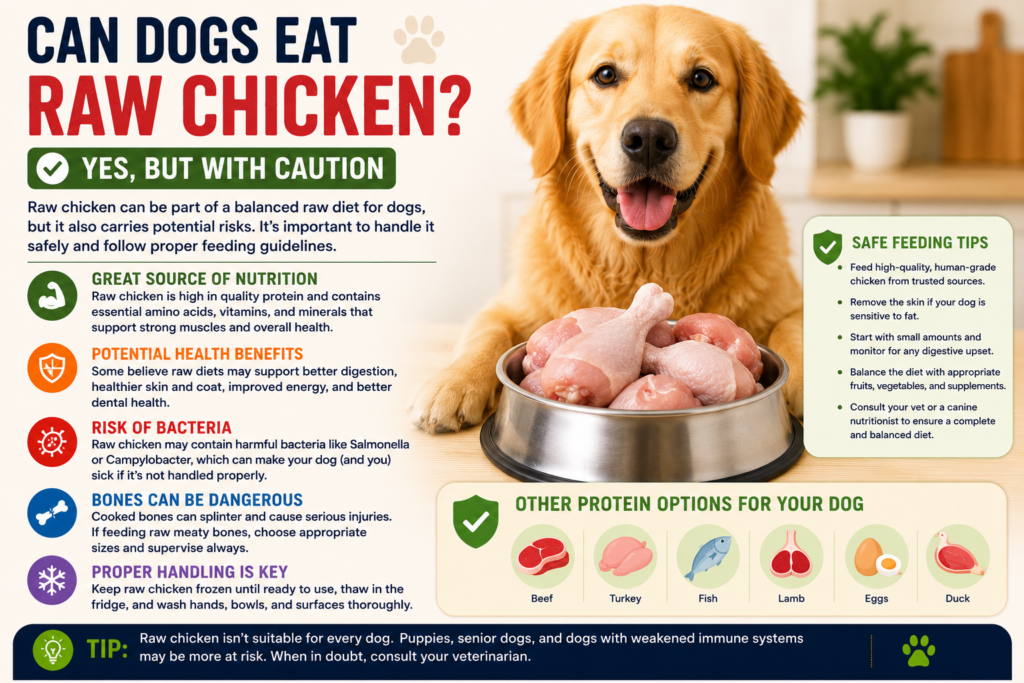
However, it is safe to give raw chicken bones because they are soft and easy to digest. Don’t give cooked bones because they can cause choking, that can lead to intestinal blockage and internal bleeding.
Can Dogs Eat Bacon?
Dogs can eat small amounts of cooked bacon, but it is not recommended as a regular treat. Bacon is high in fat and salt, which can lead to digestive upset, obesity, or pancreatitis. Healthier protein options like plain chicken or turkey are much better choices for your dog.
Can Dogs Eat Zucchini?
Yes, dogs can safely eat zucchini. This low-calorie vegetable is packed with vitamins, minerals, and fiber. Serve it raw or cooked without added seasonings, oils, or sauces. Zucchini can be a healthy snack that supports digestion while helping dogs feel full without adding many calories.
Can Dogs Eat Edamame?
Yes, dogs can eat plain edamame in moderation. These young soybeans contain protein, fiber, and essential nutrients. Remove them from the pods before serving, as the pods can be difficult to digest. Avoid salted or seasoned edamame products that may contain ingredients harmful to dogs.
Can Dogs Eat Pumpkin Seeds?
Yes, plain pumpkin seeds can be a healthy treat for dogs. They contain antioxidants, healthy fats, and minerals such as magnesium and zinc. Serve them unsalted and preferably ground or crushed for easier digestion. Pumpkin seeds may also support urinary and digestive health in some dogs.
Can Dogs Eat Chickpeas?
Yes, dogs can eat cooked chickpeas in moderation. Chickpeas are a good source of protein, fiber, and vitamins. Serve them plain without salt, garlic, onions, or spices. They can be a nutritious addition to your dog’s diet but should not replace balanced commercial dog food.
Can Dogs Eat Kale?
Yes, dogs can eat kale in small amounts. Kale contains vitamins A, C, and K, along with antioxidants and fiber. However, excessive consumption may cause stomach upset in some dogs. Serve fresh or lightly cooked kale without seasonings and treat it as an occasional supplement.
Can Dogs Eat Sardines?
Yes, sardines are an excellent food for dogs when served properly. They are rich in omega-3 fatty acids, protein, and essential nutrients. Choose sardines packed in water without added salt or seasonings. Small portions can help support healthy skin, coat condition, and overall well-being.
Can Dogs Eat Tangerines?
Yes, dogs can eat tangerines in moderation. Tangerines provide vitamin C, fiber, and antioxidants. Remove the peel and seeds before serving because they can be difficult to digest. Due to their natural sugar content, tangerines should be offered occasionally rather than as a daily treat.
Can Dogs Eat Ginger?
Yes, ginger is generally safe for dogs in small amounts. It may help support digestion and reduce nausea. Fresh ginger is often preferred over processed products. Too much ginger can cause stomach irritation, so it should only be offered occasionally and in moderation.
Can Dogs Eat Quinoa?
Yes, quinoa is safe for dogs when fully cooked. It contains protein, fiber, and essential amino acids that support overall health. Serve plain cooked quinoa without seasonings, garlic, or onions. Quinoa can be a healthy addition to your dog’s diet when fed alongside balanced nutrition.
Can Dogs Eat Honeydew?
Yes, honeydew melon is safe for dogs in moderation. It contains vitamins, minerals, and plenty of water, making it a refreshing treat on warm days. Remove the rind and seeds before serving. Due to its natural sugar content, honeydew should only be offered occasionally.
Can Dogs Eat Cilantro?
Yes, dogs can eat cilantro in small amounts. This herb contains vitamins and antioxidants that may support overall health. Most dogs tolerate cilantro well when mixed into food. However, large amounts may cause mild digestive upset, so it is best used as a light garnish.
Can Dogs Eat Pizza?
Pizza is not recommended for dogs. While a small bite may not cause harm, pizza often contains ingredients like cheese, garlic, onions, excessive salt, and fatty meats that are unhealthy for dogs. A dog-friendly treat is always a safer option than sharing pizza.
Can Dogs Eat Salmon Skin?
Yes, dogs can eat cooked salmon skin in moderation. It contains healthy fats and omega-3 fatty acids that support skin and coat health. However, it should always be fully cooked and free from seasonings. Avoid feeding raw salmon skin due to the risk of parasites.
Can Dogs Eat Applesauce?
Yes, dogs can eat plain unsweetened applesauce. It contains vitamins and fiber while being easy to digest. Avoid applesauce with added sugar, artificial sweeteners, or flavorings. Small servings can be a tasty occasional treat, especially for dogs that enjoy fruit-based snacks.
Can Dogs Eat Sunflower Seeds?
Yes, dogs can eat shelled, unsalted sunflower seeds in moderation. These seeds provide healthy fats, vitamin E, and other nutrients. Remove the shells before feeding, as they can be difficult to digest. Too many seeds may contribute to excess calorie intake.
Can Dogs Eat Hot Dogs?
Hot dogs are not ideal for dogs. They are highly processed and often contain large amounts of sodium, preservatives, and unhealthy fats. While a small piece occasionally is unlikely to be harmful, healthier protein sources should be chosen whenever possible.
Can Dogs Eat French Fries?
French fries are not recommended for dogs. They are typically high in salt, fat, and calories. Regular consumption can contribute to weight gain and other health problems. If you want to share potatoes with your dog, plain cooked potatoes are a healthier alternative.
Can Dogs Eat Black Olives?
Yes, plain black olives are generally safe for dogs in moderation. They contain healthy fats and antioxidants. Always remove the pits before serving because they can cause choking or digestive blockages. Avoid heavily salted or seasoned olives whenever possible.
Can Dogs Eat Jicama?
Yes, dogs can eat jicama in moderation. The peeled root is rich in fiber, vitamins, and hydration. Only feed the white flesh, as the leaves, stems, and seeds can be toxic. Serve small pieces as a crunchy, refreshing snack for your dog.
Can Dogs Eat Sesame Seeds?
Yes, sesame seeds are safe for dogs in small amounts. They contain healthy fats, protein, and minerals. While they do not provide significant nutritional benefits in tiny servings, they are generally harmless when sprinkled lightly over food. Avoid products with added salt or seasonings.
Can Dogs Eat Whipped Cream?
Dogs can eat small amounts of plain whipped cream occasionally. However, many dogs are sensitive to dairy products, which can cause digestive upset. Avoid whipped cream containing artificial sweeteners like xylitol, which is highly toxic to dogs. Moderation is important with sugary treats.
Can Dogs Eat Salami?
No, salami is not a good food choice for dogs. It contains high levels of fat, salt, and spices that can upset your dog’s digestive system. Regular consumption may contribute to obesity and other health issues. Lean meats are much safer alternatives.
Can Dogs Eat Okra?
Yes, dogs can eat okra. This vegetable contains fiber, vitamins, and antioxidants that may support health. Serve it plain, cooked, or raw without oils, breading, or seasonings. Fried okra should be avoided because of its high fat content and added ingredients.
Can Dogs Eat Lima Beans?
Yes, dogs can eat cooked lima beans in moderation. Lima beans provide fiber, protein, and essential nutrients. They should always be fully cooked and served plain without added salt, garlic, or seasonings. Small portions can be a healthy addition to a balanced diet.
Can Dogs Eat White Rice?
Yes, white rice is safe for dogs and is often recommended for dogs with upset stomachs. It is easy to digest and can help provide energy. Serve plain cooked white rice without butter, salt, or seasonings, and pair it with lean protein for a balanced meal.
Can Dogs Eat Beans?
Yes, dogs can eat beans if they are properly cooked. Beans are enriched with nutrients like fiber, protein and antioxidants. Some of the safe beans are green beans, black beans, kidney beans, lima beans, soybeans etc. However, cook them without any salt and spices. Moreover, unsafe beans for dogs are baked beans, canned beans, chilli beans, raw red kidney beans etc.
Additionally, beans are nutritious because they help in muscle development and improve the immune system. They are also a good source of energy for dogs. The safest way to give beans to dogs is in the mashed or chopped form.
Can Dogs Eat Kiwi?
Kiwi is also considered a safe food for dogs. Wash the kiwi thoroughly, peel off its skin, and give it in small amounts. Also, it is necessary to cut them into small pieces. Moreover, kiwi contains natural sugar, so avoid extra sugar, seasoning, or syrup. Also, avoid canned kiwi. Never give kiwi to diabetic dogs and dogs with food allergies and stomach problems.
However, kiwi is known for its nutritional properties. It contains proteins, vitamins, and anti-inflammatory substances that help with arthritis. Furthermore, give dogs kiwi occasionally and don’t make it a daily snack.
Can Dogs Eat Pork?
Yes, cooked pork is safe for dogs. It is a potential source of protein and contains many other nutrients like vitamins, zinc, iron and selenium. Don’t give raw pork because it contains parasites or bacteria that can cause health risks to dogs.
Lean pork is recommended for dogs that are completely cooked and also remove all the bones to prevent choking. Pork is a good food choice for dogs with poultry allergies. Also, pork organs like liver, kidney and heart are also nutritious for dogs.
Can Dogs Eat Dragon Fruit?
Yes, dogs can eat dragon fruit in moderation. This colorful fruit contains fiber, antioxidants, and vitamin C that may support your dog’s overall health. Remove the thick outer skin before serving, as it can be difficult to digest. Offer small pieces occasionally as a healthy treat alongside a balanced diet.
Can Dogs Eat Shrimp?
Yes, dogs can eat cooked shrimp in small amounts. Shrimp is rich in protein, vitamin B12, and antioxidants. Always serve it fully cooked and remove the shell, tail, and vein. Avoid seasoning, butter, or garlic, as these ingredients can be harmful to dogs and may cause digestive issues.
Can Dogs Eat Lettuce?
Yes, lettuce is safe for dogs to eat. It is low in calories and contains fiber, vitamins, and water that can help keep your dog hydrated. Romaine, iceberg, and leaf lettuce are all generally safe. Chop it into small pieces to make chewing and digestion easier.
Can Dogs Eat Cranberries?
Yes, dogs can eat fresh cranberries in moderation. Cranberries provide antioxidants and nutrients that may support urinary tract health. Some dogs may not enjoy their tart flavor, but they are generally safe. Avoid cranberry products that contain added sugar, artificial sweeteners, or other unhealthy ingredients.
Can Dogs Eat Papaya?
Yes, papaya is safe for dogs when prepared properly. This tropical fruit contains fiber, vitamins, and digestive enzymes that may support gut health. Remove the seeds and peel before serving. Offer small bite-sized pieces as an occasional treat rather than a regular part of your dog’s diet.
Can Dogs Eat Cherries?
No, cherries are not recommended for dogs. While the flesh is not highly toxic, the pits, stems, and leaves contain compounds that can release cyanide. Cherry pits can also cause choking or intestinal blockages. Safer fruit options include blueberries, strawberries, and apples without seeds.
Can Dogs Eat Radishes?
Yes, dogs can eat radishes in moderation. Radishes are not toxic and provide fiber, vitamins, and minerals. Some dogs enjoy their crunchy texture, while others dislike the peppery taste. Serve fresh radishes in small pieces and avoid pickled versions that contain excess salt and spices.
Can Dogs Eat Seaweed?
Yes, plain seaweed can be safe for dogs in small amounts. Seaweed contains vitamins, minerals, and antioxidants that may support health. However, avoid seasoned seaweed snacks and never let dogs eat wild seaweed from beaches, as it can expand in the stomach and cause digestive problems.
Can Dogs Eat Ham?
Ham is not the healthiest choice for dogs. Although small amounts of cooked ham are unlikely to cause immediate harm, it is high in sodium and fat. Regular consumption may contribute to obesity and other health issues. Lean proteins like chicken or turkey are better alternatives.
Can Dogs Eat Cashews?
Yes, dogs can eat unsalted cashews in moderation. Cashews contain healthy fats, protein, and essential minerals. However, they are calorie-dense, so only offer a few at a time. Avoid salted, flavored, or chocolate-covered cashews, as these ingredients can be dangerous for dogs.
Can Dogs Eat Pickles?
Pickles are not recommended for dogs. While cucumbers themselves are safe, pickles often contain large amounts of sodium and may include garlic, onions, or spices that are harmful to dogs. Fresh cucumber slices are a much healthier and safer option for your furry friend.
Can Dogs Eat Olives?
Yes, plain olives are generally safe for dogs when served in moderation. They contain healthy fats and antioxidants. Always remove the pits before feeding, as they can cause choking or digestive blockages. Avoid heavily salted, stuffed, or seasoned olives that may contain harmful ingredients.
Can Dogs Eat Pecans?
No, pecans are not recommended for dogs. Pecans can contain toxins and are prone to mold growth, which may be harmful. They are also high in fat and can contribute to digestive upset or pancreatitis. Safer nut choices include small amounts of unsalted cashews.
Can Dogs Eat Marshmallows?
Marshmallows are not a healthy treat for dogs. They contain large amounts of sugar and offer little nutritional value. Some sugar-free marshmallows contain xylitol, which is extremely toxic to dogs. If you want to treat your dog, choose healthier dog-safe fruits or snacks instead.
Can Dogs Eat Bacon?
Dogs can eat small amounts of cooked bacon, but it is not recommended as a regular treat. Bacon is high in fat and sodium, which may lead to digestive issues, obesity, or pancreatitis. Lean proteins such as chicken, turkey, or fish are much healthier options.
Can Dogs Eat Zucchini?
Yes, zucchini is safe and healthy for dogs. It is low in calories and rich in vitamins, minerals, and fiber. Zucchini can be served raw or cooked, as long as it is plain and free from seasonings, oils, or sauces. It makes an excellent low-calorie snack.
Can Dogs Eat Edamame?
Yes, dogs can eat plain edamame in moderation. These young soybeans provide protein, fiber, and important nutrients. Remove the beans from the pods before serving because the pods can be difficult to digest. Avoid salted or seasoned edamame products that may contain harmful ingredients.
Can Dogs Eat Pumpkin Seeds?
Yes, plain pumpkin seeds can be a healthy treat for dogs. They contain antioxidants, healthy fats, and minerals that support overall health. Serve them unsalted and preferably ground or crushed to make digestion easier. Pumpkin seeds may also help support urinary health.
Can Dogs Eat Chickpeas?
Yes, dogs can eat cooked chickpeas in moderation. Chickpeas provide protein, fiber, and various vitamins and minerals. Serve them plain without salt, garlic, onions, or spices. They can be a nutritious addition to your dog’s diet but should not replace complete dog food.
Can Dogs Eat Kale?
Yes, kale is generally safe for dogs in small amounts. It contains vitamins A, C, and K, along with antioxidants and fiber. However, too much kale may cause digestive upset in some dogs. Serve it plain and in moderation as part of a balanced diet.
Can Dogs Eat Sardines?
Yes, sardines are one of the best fish options for dogs. They are rich in omega-3 fatty acids, protein, and essential nutrients. Choose sardines packed in water without added salt or seasonings. Small servings can support healthy skin, coat condition, and overall wellness.
Can Dogs Eat Tangerines?
Yes, dogs can eat tangerines in moderation. Tangerines provide vitamin C, fiber, and antioxidants. Remove the peel and seeds before serving because they can be difficult to digest. Due to their natural sugar content, tangerines should be offered only as an occasional treat.
Can Dogs Eat Ginger?
Yes, ginger is safe for dogs in small amounts. It may help support digestion and reduce nausea. Fresh ginger is often preferred over processed forms. Too much ginger can cause stomach irritation, so it should only be offered occasionally and in moderation.
Can Dogs Eat Quinoa?
Yes, quinoa is safe for dogs when fully cooked. It contains protein, fiber, and essential amino acids that support overall health. Serve plain cooked quinoa without seasonings, garlic, or onions. Quinoa can be a healthy addition to your dog’s diet when fed appropriately.
Can Dogs Eat Honeydew?
Yes, honeydew melon is safe for dogs in moderation. It contains vitamins, minerals, and plenty of water, making it a refreshing snack. Remove the rind and seeds before serving. Because honeydew contains natural sugars, it should only be offered occasionally.
Can Dogs Eat Cilantro?
Yes, dogs can eat cilantro in small amounts. This herb contains antioxidants and nutrients that may support overall health. Most dogs tolerate cilantro well when mixed into food. However, large quantities may cause mild digestive upset, so moderation is best.
Can Dogs Eat Pizza?
Pizza is not recommended for dogs. It often contains ingredients like cheese, garlic, onions, excessive salt, and fatty meats that are unhealthy or potentially harmful. Even though a small bite may not cause immediate problems, dog-friendly treats are always a safer option.
Can Dogs Eat Salmon Skin?
Yes, dogs can eat cooked salmon skin in moderation. Salmon skin contains healthy fats and omega-3 fatty acids that support skin and coat health. It should always be fully cooked and free from seasonings. Avoid feeding raw salmon skin due to the risk of parasites.
Can Dogs Eat Plums?
Ripped plum is recommended for dogs. Only the flesh of the plum is edible; the seed, stem, and leaves contain toxic substances like cyanide, which is dangerous for the dog’s health. Also, a pit can damage a dog’s teeth and can cause choking.
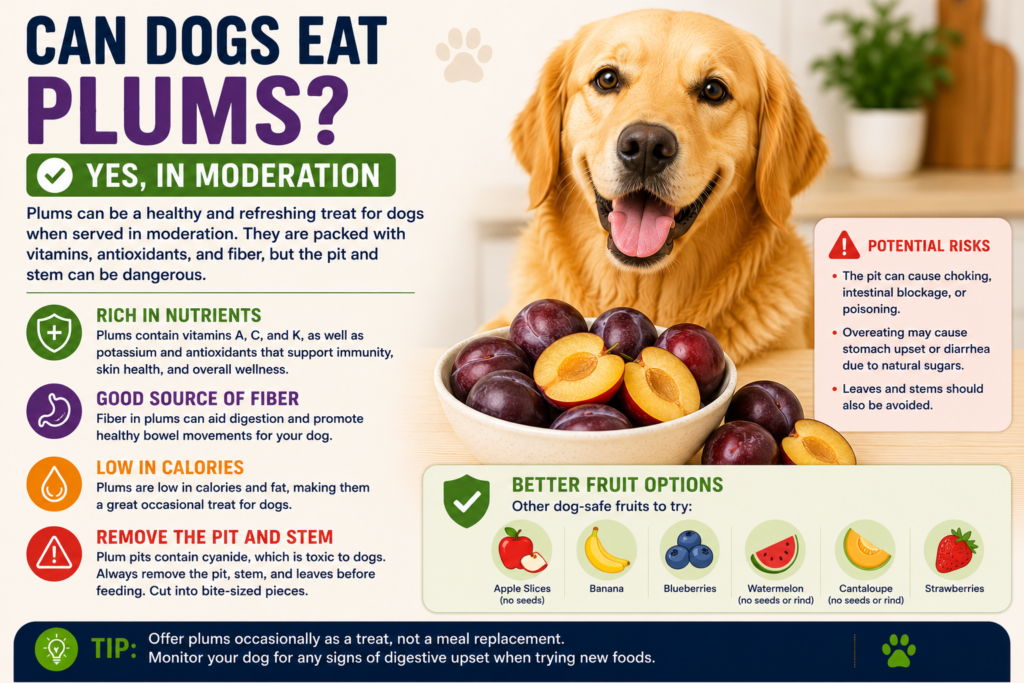
Furthermore, plums contain high sugar content which is why they are not suitable for overweight and diabetic dogs. However, give a small amount of plums to dogs and always remove seed, stem and leaves.
Conclusion
All the dogs require a balanced diet to keep themselves healthy and fit. As dogs are carnivores they can eat meat as well as vegetables and fruits. Try to give dogs healthy food, but in small amounts because excess of everything can cause risk. Moreover, it is important to always cook a dog’s meal properly. Also, avoid any kind of seasoning and canned and processed foods are also prohibited.
Fawn Frenchie: The Adorable French Bulldog Color Everyone Is Talking About

Related Posts